



Not long ago, a Latin music star’s stage outfit was a uniform. Today, it’s a universe. The journey from formal attire to elaborate, album-specific visual storytelling reflects a seismic shift in how artists build their worlds.
The Era of Uniform and Tradition
For much of the 20th century,
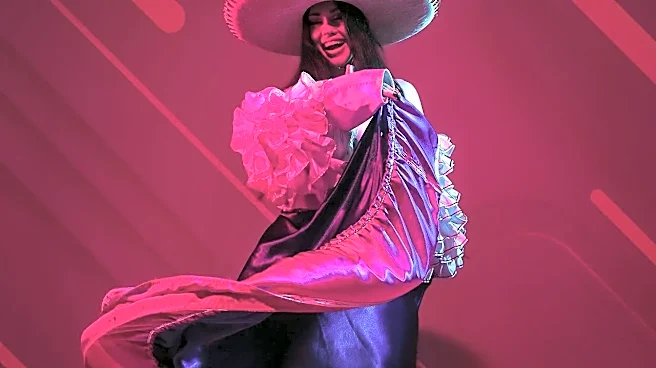
Latin music fashion was about representing a genre with dignity and respect. Mariachi musicians adopted the formal 'traje de charro,' an elegant suit with roots in Spanish equestrian wear, to project pride and professionalism. This wasn't a costume but a uniform signifying a rich cultural tradition. Similarly, salsa queen Celia Cruz became famous for her extravagant rumba dresses, vibrant wigs, and custom-made shoes. For her, the visual spectacle was paramount; she once said she felt like a failure if anyone in the audience was better dressed. The outfits were dazzling and memorable, but they served the performance and the genre first—less about the artist's personal narrative and more about delivering a classic, high-quality show.
The Crossover Pioneers and Pop Polish
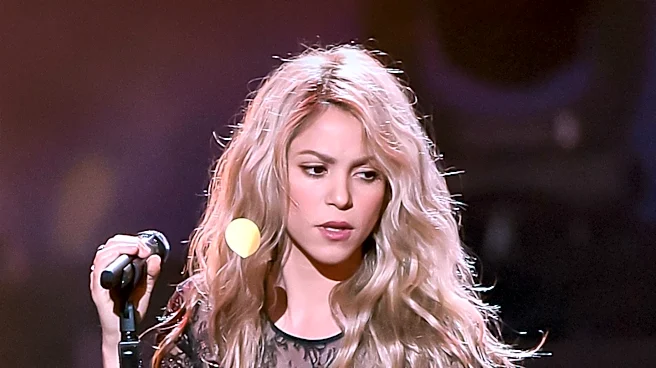
The late 1990s and early 2000s saw a new generation of Latin artists break into the global mainstream, and their fashion evolved for the MTV era. Stars like Shakira, Ricky Martin, and Jennifer Lopez adopted a more polished, pop-centric look designed for mass appeal. Shakira famously transitioned from a more bohemian, rock-influenced style in her native Colombia to an aesthetic defined by leather pants, flowing tops, and belly-dancing coin shawls that highlighted her iconic dance moves. Ricky Martin, a former member of the boy band Menudo, embraced sleek leather outfits and tailored suits that cemented his status as a global heartthrob. Their fashion was bold and influential, setting trends that blended Latin flair with international pop glamour. It was less about adhering to a single tradition and more about crafting a versatile, camera-ready star image.
The Rise of Streetwear and Urban Influence
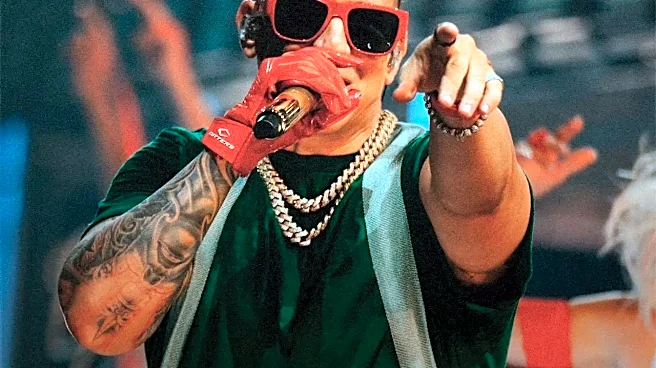
As reggaetón and urban music genres surged in popularity, the aesthetic shifted again. The suited formality of previous eras gave way to a style born from the streets. Artists brought streetwear to the main stage, with oversized tees, chunky sneakers, and bold logos becoming the new uniform. This look was accessible and authentic, reflecting the music's raw energy. But as the genre grew, its leading figures began using fashion in more deliberate ways. J Balvin, for example, evolved into a global fashion icon, collaborating with brands like GUESS and bringing collections inspired by Colombian artisans to New York Fashion Week. He proved that fashion was a powerful tool for expression, stating, 'Fashion is how you talk about yourself without speaking'. The urban look became a canvas for personal branding and cultural pride.
The Modern Era of Visual Worlds
Today, for Latin music's biggest superstars, fashion is no longer just an outfit—it's an integral part of an album's universe. Artists now create entire visual worlds for each project, with clothing serving as a primary storytelling device. Rosalía's 'Motomami' tour, for example, was built around a 'moto-heavy' aesthetic, with custom Dion Lee looks featuring leather, pleats, and thigh-high boots that embodied the album's themes of strength and vulnerability. For her subsequent 'Lux' album, the style shifted dramatically to nun-like veils and angelic ballet-inspired dresses to reflect its mystical themes. Bad Bunny has become a master of this, treating each concert tour as a new visual era. His style blends gender-fluid fashion, luxury, and streetwear, creating looks that are central to the show itself. For these artists, the clothing isn't an accessory to the music; it's a parallel narrative, giving fans a rich, multi-sensory world to explore.