
The Era of Banners and Billboards
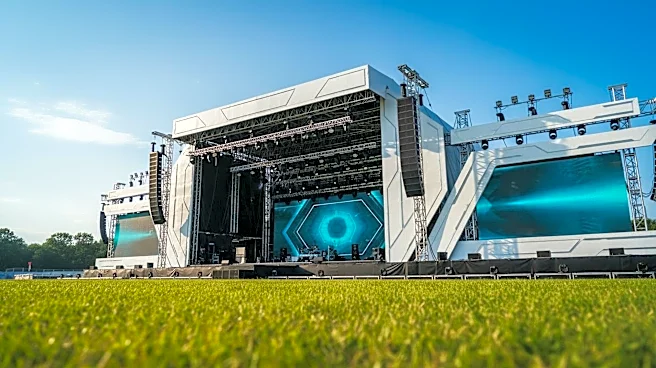
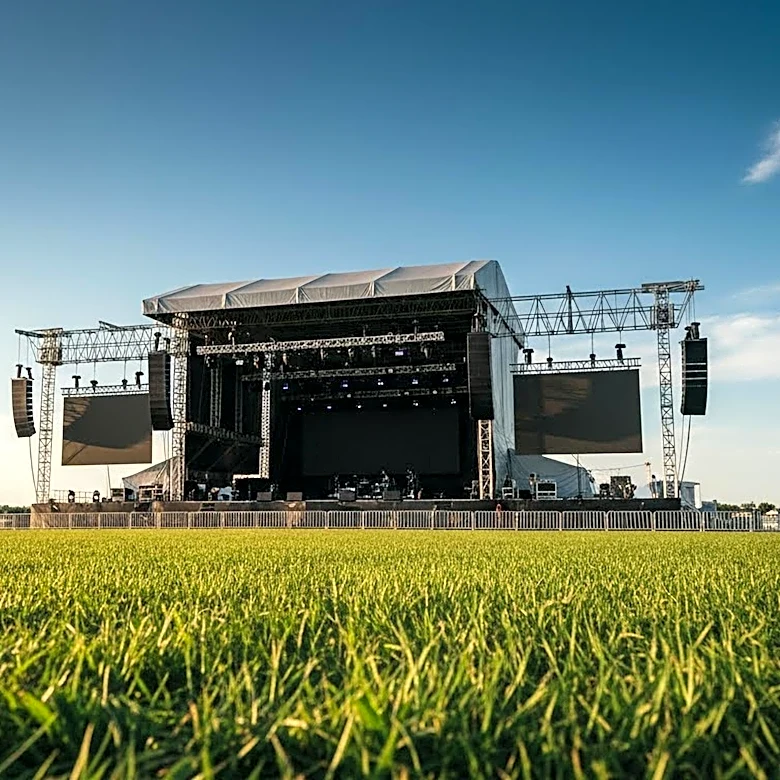
For decades, the logic of festival sponsorship was simple: visibility. Brands paid for the privilege of putting their logo in front of thousands of young, engaged eyeballs. This was the era of logo-slapping. A beer company’s name would be emblazoned on the main
stage, a soda brand’s logo would cover the recycling bins, and a car company might have a vehicle parked awkwardly on a grassy knoll. The goal was straightforward association. If you had a good time at the festival, the thinking went, you might develop a positive, subconscious feeling about the brands whose names were floating around in your peripheral vision. It was a transactional, low-effort model based on the same principles as a highway billboard—a numbers game of impressions.
When Eyeballs Weren't Enough
The shift away from passive logo placement didn't happen overnight. It was driven by a fundamental change in consumer behavior. Audiences, particularly younger generations raised in a digitally saturated world, developed a sophisticated form of "banner blindness." They became experts at tuning out traditional advertising. A logo on a tent simply didn't register anymore. Furthermore, the rise of social media created a new currency: user-generated content. A photo of a banner is worthless online, but a photo of a unique, shareable experience is marketing gold. Brands realized they weren't just competing for attention; they were competing for authenticity and a place in the fan's personal narrative. Slapping a logo on something felt like an interruption, not an invitation.
From Passive Viewing to Active Participation
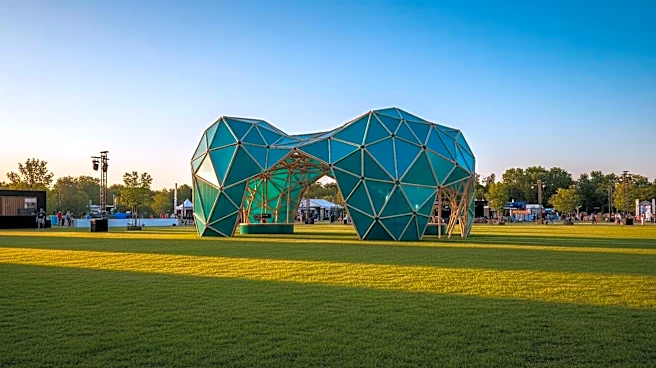
Enter experiential marketing, or as it's better known at festivals, the immersive activation. Instead of just showing you their logo, brands now build entire worlds for you to play in. Think of the Heineken House at Coachella, a full-fledged venue with its own lineup of DJs, or the HP Antarctic Dome, a 360-degree visual show that became a destination in itself. These aren't just ads; they're attractions. Other examples include branded lounges with phone charging stations, air conditioning, and free Wi-Fi—providing genuine value and relief. Or consider pop-ups that offer free makeup applications, custom merchandise, or photo booths with elaborate backdrops. The strategy is to stop talking at the consumer and start creating a memorable moment with them.
A More Meaningful Partnership
This evolution marks a change from sponsorship to partnership. For brands, the return on investment is no longer measured just in impressions, but in engagement. They track social media mentions, hashtag usage, and dwell time—how long attendees stay within their activation. A well-designed experience generates authentic buzz that a banner never could. For festival organizers, these partnerships are a huge win. They elevate the overall attendee experience without adding to their own production costs, making the festival more attractive. For attendees, the benefit is obvious: instead of more ads, they get more things to do. These activations provide shade, comfort, entertainment, and a place to recharge—both literally and figuratively. It creates a symbiotic relationship where the brand enhances the festival experience rather than just capitalizing on it.