




Venice: The Citadel of Prestige
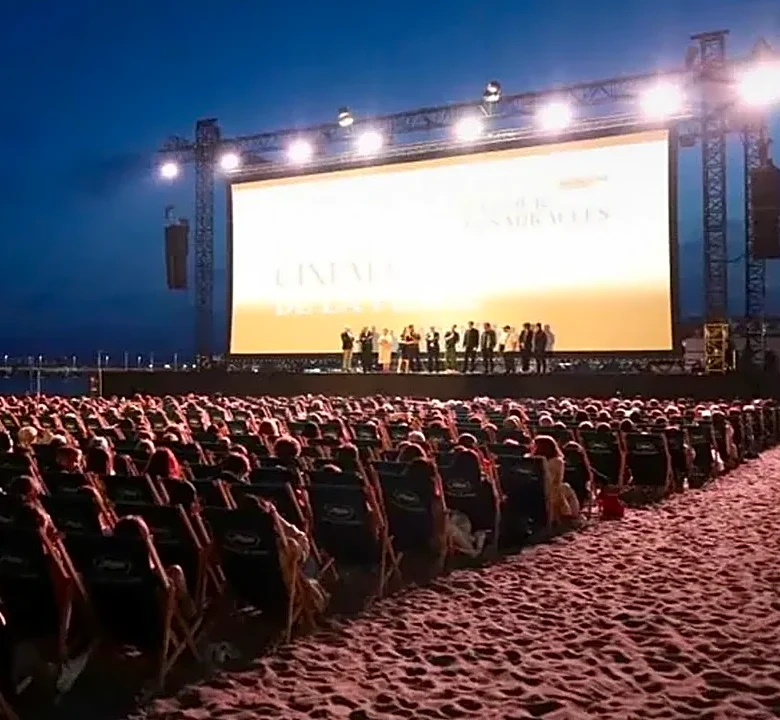
The Venice Film Festival is the oldest in the world, and it carries an air of old-world glamour and critical gravitas. Launching a film on the Lido is a statement. It’s a bid for artistic legitimacy. A premiere here is aimed squarely at influential critics,
offering a film for serious consideration as a work of cinema, not just a product. For directors looking to cement their auteur status, Venice is the preferred stage. Think of films like “La La Land,” “Joker,” or “Poor Things,” which used Venice to establish their artistic credentials and critical dominance early on. A win, like the coveted Golden Lion, can instantly catapult a film into the Best Picture conversation. However, the Venice spotlight can also be unforgiving. If a film falters with the discerning critics there, the negative buzz can be difficult to shake before it even reaches a wider audience. It's a high-risk, high-reward play for pure critical heat.
Toronto: The People’s Powerhouse
If Venice is a curated gallery, the Toronto International Film Festival (TIFF) is a sprawling, energetic public forum. As one of the largest and most accessible film festivals, it’s driven by audience reaction. The most significant prize at TIFF isn’t handed out by a jury of experts, but by the moviegoers themselves: the People's Choice Award. The track record of this award is staggering. Winning or even being a runner-up is one of the strongest predictors of a future Best Picture nomination at the Oscars. Films like “Green Book,” “Nomadland,” and “The Fabelmans” all rode a wave of audience adoration from Toronto straight through awards season. For films that are emotional, uplifting, or rely on broad appeal, TIFF provides the perfect test. It answers the crucial question: Does this movie connect with a real audience? A strong showing here generates momentum that can sustain a campaign for months.
The Telluride Squeeze Play
Complicating the Venice vs. Toronto debate is the small but mighty Telluride Film Festival in Colorado, which takes place right between them. With a program kept secret until the last minute, Telluride is an exclusive, insider-heavy event for true cinephiles and a high concentration of Academy voters. For some films, it's the perfect launchpad for intimate, character-driven dramas like “Moonlight” that benefit from passionate, focused word-of-mouth. More often, studios use it as a strategic stopover. A film might premiere at Venice to get the international critical buzz, then immediately screen at Telluride to build momentum with the North American industry elite before heading to Toronto to win over the public. This “festival trifecta” is a common strategy for films with the resources to pull it off, aiming to get the best of all worlds.
Making the Strategic Choice
The decision isn't arbitrary; it's a carefully calibrated choice based on the film's DNA. Is your movie a visually stunning, ambitious work from a revered director? Venice might be the place to anoint it as a masterpiece. Is it a heartwarming story with a breakout performance that you need audiences to fall in love with? Toronto’s crowds are your target. A smaller, more challenging film might get lost in Toronto’s massive lineup, making the curated selections of Venice or Telluride a better fit to ensure it gets noticed. Conversely, a populist film might feel out of place among the high-art offerings in Venice. The choice also reflects campaign goals. Venice is superb for launching an international campaign, while Toronto is considered essential for building a groundswell with the North American press and public that will be crucial for the Oscar race.