







The Hallway Test vs. The Infinite Scroll
On social media, a 'like' is the lowest-friction interaction imaginable. It’s a passive double-tap given while scrolling through an endless feed, often forgotten seconds later. It signifies fleeting approval, but not necessarily impact. New York Comic
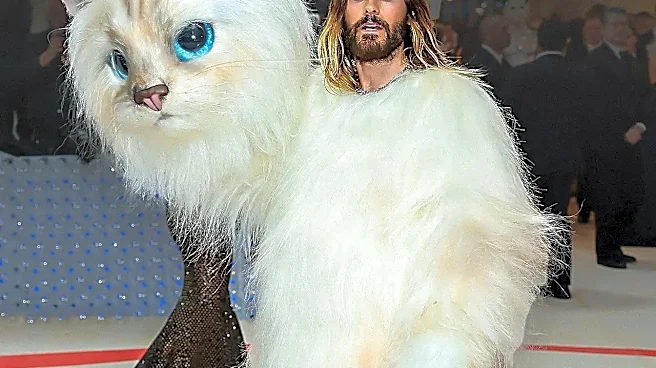
Con, held each October at the Javits Center, offers a brutal but honest alternative: the hallway test. Here, a design doesn’t just have to be appealing; it has to be magnetic enough to cut through the sensory overload of 200,000 people, booming exhibitor booths, and a sea of competing visuals. A character design that makes someone physically stop, turn their head, and navigate a dense crowd for a closer look has passed a far more rigorous trial than one that simply earns a digital heart. It proves the design has presence and a compelling silhouette, two foundational elements of memorable character creation.
Cosplay: The Ultimate Form of Flattery
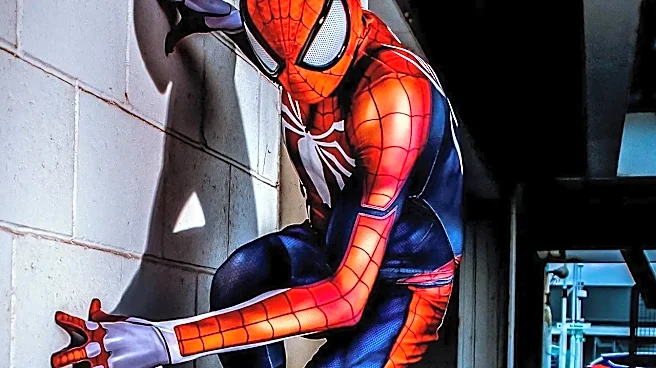
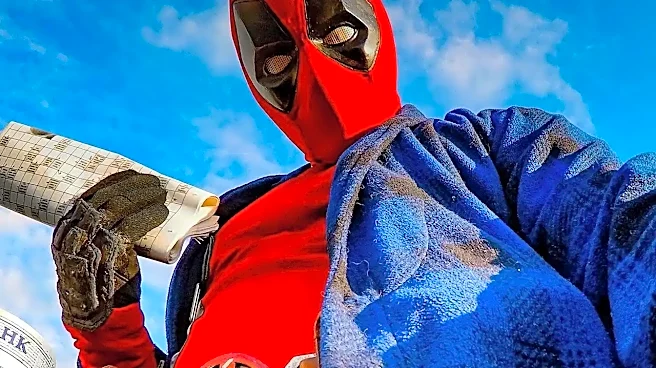
Likes are currency, but cosplay is devotion. There is no greater validation for a character design than when a fan invests dozens of hours and hundreds of dollars to physically become that character. Social media algorithms can be gamed, but the passion, craftsmanship, and dedication required for cosplay cannot. When a design resonates so deeply that people want to embody it, it has achieved a level of success that analytics can’t measure. Events like NYCC's Crown Championships of Cosplay showcase this at the highest level, but the real proof is on the show floor. Seeing multiple interpretations of a new or indie character walking the halls is a creator’s dream—and a definitive sign that the design has not only been seen, but felt.
The Artist Alley Gauntlet
For independent creators, the Artist Alley is the front line. It’s a direct-to-consumer marketplace where the strength of a design is tested in real-time transactions. While online stores have their place, the feedback in Artist Alley is immediate and personal. Do people stop at your table because a specific character on a print caught their eye? Do they ask about the character's story? Most importantly, do they open their wallets? A fan buying a $20 print of a character they just discovered is a more powerful data point than a thousand bots liking a post. It’s a tangible investment. This face-to-face interaction provides crucial qualitative data—the 'why' behind the purchase—that is lost in the anonymous metrics of online engagement.
From Viral Moment to Lasting Icon
Social media thrives on fleeting trends. A character can go viral for a week, spawn a thousand memes, and be completely forgotten by the next month. It’s a whirlwind of attention that rarely translates to long-term affection. A character’s continued presence at a major event like NYCC, however, signals something different: staying power. When a design moves from being a popular cosplay in its debut year to a recurring favorite, it shows it has transcended its initial hype. It has become part of the shared visual language of the fan community. This is how icons are built. They aren't just liked; they are adopted, integrated, and celebrated year after year in the real world, proving their design is not just a trend, but a classic in the making.