




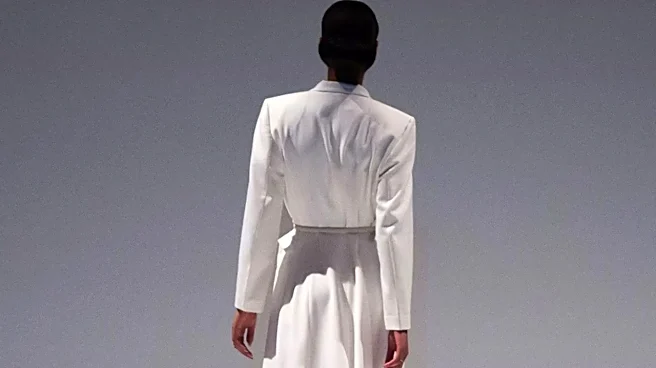

The Plain Dress: A Simple Choice
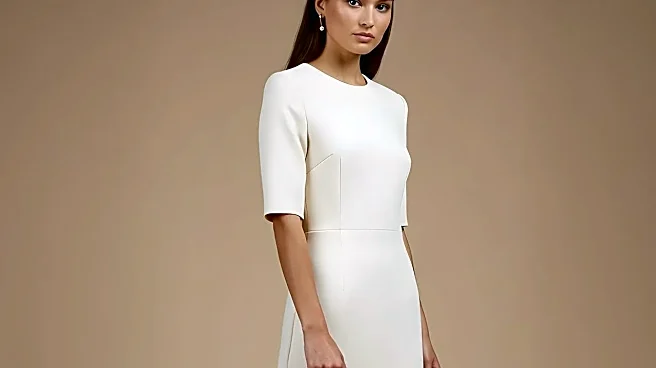
Let’s start with the dress itself. A plain dress is an article of clothing defined by what it lacks: no busy prints, no sequins, no dramatic ruffles. It is functionally simple. Someone might choose it for any number of reasons that have little to do with a grand
philosophy. Maybe it was on sale. Maybe it’s comfortable and requires zero thought on a hectic morning. It could be a choice of convenience, budget, or a personal taste for understated clothing without a deeper 'why' behind it. A closet full of plain items isn't necessarily a minimalist wardrobe; it could just be a collection of simple, often disconnected, pieces acquired over time. The plain dress is an object, a blank canvas that doesn’t tell you much about the wearer’s worldview.
The Minimalist Mindset: A Deliberate Philosophy
Minimalism, on the other hand, is not about the absence of features but the presence of intention. A minimalist doesn't just end up with a simple dress; they choose it deliberately. This choice is rooted in a broader philosophy that values quality over quantity, timelessness over trends, and functionality over frivolity. It’s an active, conscious process of editing your life—and your wardrobe—down to the essentials that bring you value and joy. The minimalist’s plain dress isn’t just one of many options; it’s one of a few, carefully selected pieces that work together in a cohesive, versatile system. It represents a rejection of the consumerist churn of fast fashion and a commitment to a more mindful way of living.
Curation, Quality, and Cost-Per-Wear
Herein lies one of the biggest distinctions: how the item is acquired and valued. The person wearing a plain dress might have a closet overflowing with clothes they never wear. The minimalist, however, has likely invested significant thought into their purchase. They prioritize high-quality fabrics, impeccable tailoring, and durable construction, understanding that buying one excellent, versatile dress is better than buying five cheap, trendy ones. They are thinking about cost-per-wear, not the initial price tag. This is why a minimalist’s simple dress, which looks plain to the untrained eye, might be made of luxurious cashmere or perfectly structured linen. The simplicity of the design allows the quality of the material and the precision of the cut to take center stage.
An Outfit vs. A Lifestyle
Ultimately, wearing a plain dress is an aesthetic choice for a day. Minimalism is a lifestyle that extends far beyond the closet. The same principles of “less, but better” that a minimalist applies to their wardrobe are often applied to their home, their digital life, and even their relationships. The goal is to reduce clutter—whether physical, mental, or digital—to create space for what truly matters. So, while a plain dress can certainly be part of a minimalist aesthetic, the aesthetic itself is merely a byproduct of the underlying philosophy. You can wear a simple outfit without being a minimalist, but you can't truly be a minimalist without your choices being driven by a deep sense of purpose and intention.