








The Sponsorship Machine
Ever wonder why you see the same handful of brands plastered everywhere during a World Cup? That's by design, and it’s worth billions. FIFA, the governing body, operates a tiered sponsorship system. At the top are the “FIFA Partners,” global brands like
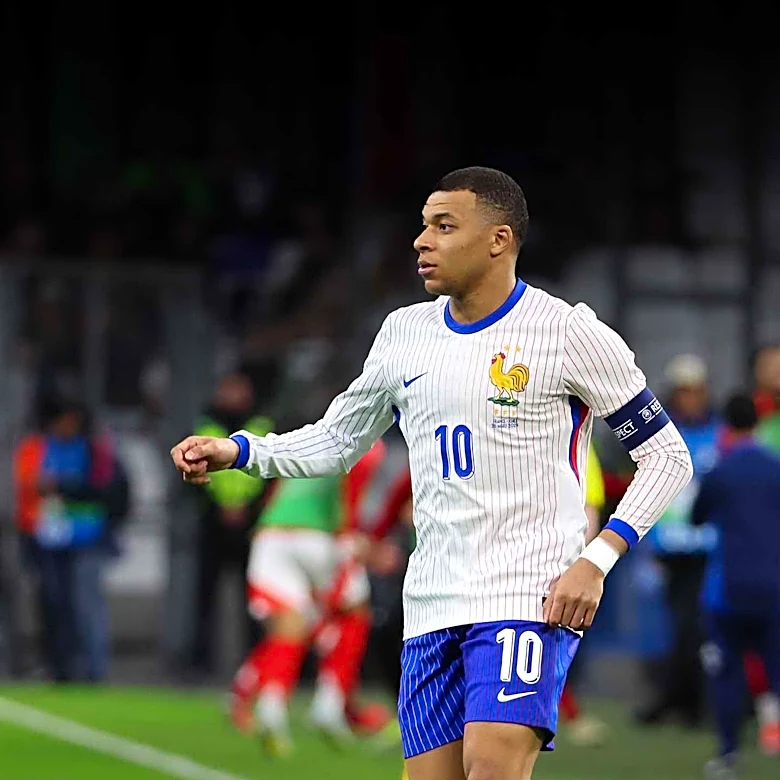
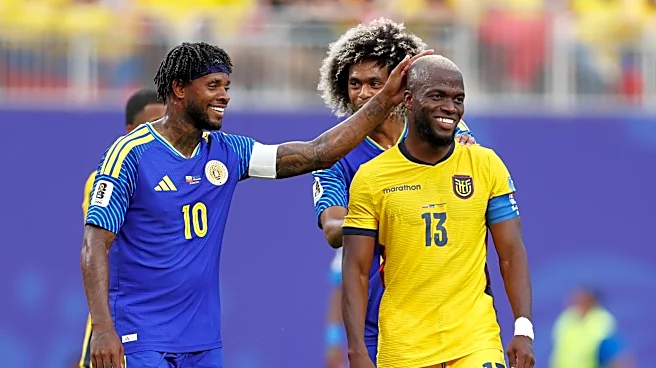
Coca-Cola, Adidas, and Visa that pay hundreds of millions for exclusive, long-term rights across all FIFA events. This isn't just about putting a logo on a sign; it's deep integration. Think of the official credit card, the official beverage, or the official ball. These partners get unparalleled global visibility, associating their brand with the passion and excitement of the world's most-watched sporting event. Below them are the “World Cup Sponsors,” who pay a still-staggering amount for rights specific to that one tournament. This structure creates a carefully controlled commercial environment where every available surface and moment is a potential branding opportunity. The revenue generated from these deals is a cornerstone of the tournament's funding, covering massive operational costs and providing prize money for the participating nations' football federations. In essence, that soft drink you buy in the fan zone is a tiny part of a colossal financial strategy that makes the entire spectacle possible.
The Broadcast Rights Bonanza
While sponsorship is highly visible, the single largest river of cash flowing into a major soccer tournament comes from television. Broadcast rights are the event's financial engine, often accounting for nearly half of the total revenue. Networks around the globe engage in fierce bidding wars for the exclusive rights to air the matches in their respective countries. For a broadcaster like Fox in the U.S. or the BBC in the U.K., owning the World Cup means guaranteed ratings, premium advertising slots, and cultural dominance for a solid month.
FIFA shrewdly packages these rights, selling them by region and platform (TV, radio, internet, mobile). A deal with a major European market can be worth hundreds of millions, while the combined value across 200+ territories runs into the billions. This money is the lifeblood of FIFA, which then redistributes a significant portion to its member associations around the world to fund development projects, ensuring the global game continues to grow. It’s a virtuous cycle: the global appeal of the sport drives up broadcast fees, and those fees, in turn, fund the sport's global expansion.
The Ticket and Hospitality Scramble
For the fans lucky enough to attend, tickets are the entry pass to a once-in-a-lifetime experience. For the organizers, they're another crucial revenue stream and a complex logistical puzzle. Ticket sales for an event like the World Cup are a multi-stage affair. There are lottery phases for the general public, dedicated allocations for fans of participating countries, and a separate, highly lucrative market for corporate hospitality.
These hospitality packages are where the real money is made. They bundle premium seats with gourmet food, open bars, and exclusive access, selling for thousands of dollars per match. Corporations buy these packages to entertain clients and reward employees, turning the stadium into a high-stakes networking venue. While the image of the tournament is one of painted faces and chanting fans, a significant portion of ticketing revenue comes from these high-end corporate boxes, underscoring the event's dual identity as both a popular festival and a major business conference.
The Tourism and Infrastructure Tsunami
The tournament doesn't just exist inside the stadiums; it completely takes over its host cities and countries. This is the tourism component—the final, massive piece of the economic puzzle. Hundreds of thousands, sometimes millions, of international visitors descend on a host nation, all needing places to sleep, eat, and travel. This creates a massive, temporary boom for the local economy. Hotels are booked solid, restaurants are packed, and local transport systems are stretched to their limits. It’s an economic stress test and a huge opportunity.
This is the implicit promise made to host nations: endure the costs of building stadiums and upgrading infrastructure, and you’ll be rewarded with a global spotlight and a torrent of tourist dollars. The long-term benefits are debated, but the short-term impact is undeniable. The spending from visiting fans on everything from official merchandise to local sightseeing tours injects a huge amount of foreign currency directly into the host economy, creating a ripple effect that, in theory, benefits everyone from hotel chains to street vendors.