




An Indie Slasher with No Stars
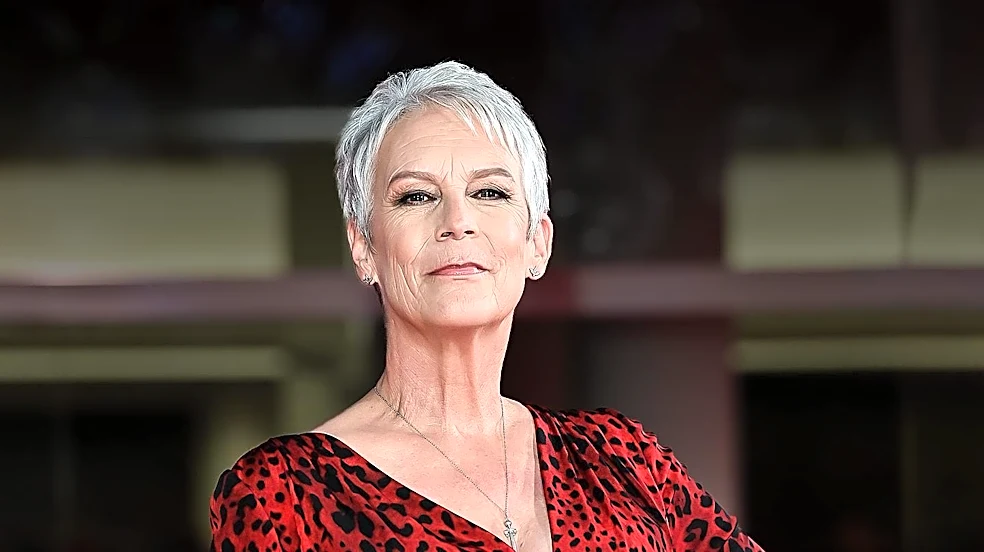
It’s hard to imagine now, but in 1978, John Carpenter’s 'Halloween' was a long shot. Made for a mere $300,000, it was an independent production with no big studio, no marketing blitz, and no major stars. Its lead, Jamie Lee Curtis, was making her film
debut. The film’s executive producer, Irwin Yablans, had a concept about a killer stalking babysitters, but he didn't have the marketing muscle of a major studio. In an era before the internet, how could a small-time distributor, Compass International Pictures, turn this quiet little slasher into a national event? They couldn't afford to compete with the big dogs, so they decided to change the game entirely.
The Genius of the 'Platform' Release
Instead of a wide national release, Yablans and his team opted for a 'platform' or regional rollout strategy. The plan was simple yet brilliant: open the film in a handful of theaters in one city and see what happens. The premiere wasn't in Los Angeles or New York, but in Kansas City on October 25, 1978. If the film did well there, they would use the box office profits from that single market to pay for advertising and book theaters in the next city. It was a slow, methodical, and financially cautious approach that allowed the film's success to fund its own expansion. This strategy transformed the film from a simple movie into a growing wave of terror, rolling across the country one market at a time.
Building a Legend, City by City
The Kansas City opening was a success. From there, 'Halloween' moved to Chicago, where it also performed exceptionally well. Next came New York. With each new city, the legend grew. The slow-burn release created a powerful word-of-mouth engine that a massive ad campaign could never replicate. Audiences didn’t feel like they were being marketed to; they felt like they were discovering a secret. Critics were initially mixed, but as the buzz swelled, influential reviewers began to take notice and champion the film, further fueling its momentum. People in one city would hear from friends or family in another about this terrifying new movie, building anticipation long before Michael Myers ever arrived in their local theater.
A Box Office Monster Was Born
By the time its initial theatrical run was over, 'Halloween' had grossed between $55 and $70 million. It became the single most profitable independent film ever made at that time, a title it held for over a decade. The regional rollout strategy didn't just make the film money; it made it a cultural institution. The slow, deliberate spread created a sense of an unstoppable force, mirroring the film’s relentless villain. This method of distribution feels almost alien today, in an industry dominated by billion-dollar franchises that open on 4,000 screens simultaneously. The success of 'Halloween' was organic, earned neighborhood by neighborhood, scream by scream.