



The Foundation: Nuanced Blues and Greys
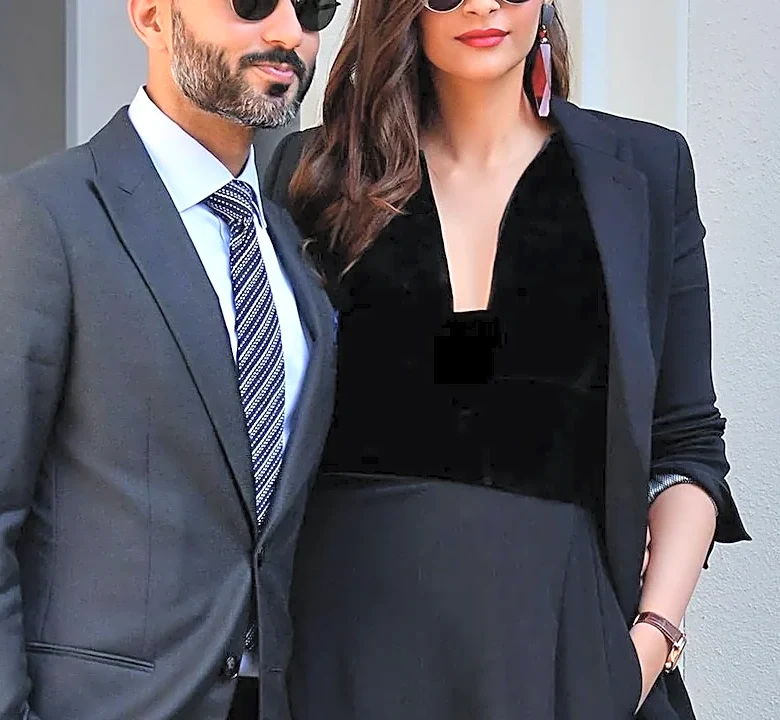
The cornerstones of any finance wardrobe are, unsurprisingly, blue and grey. However, in a high-quality closet, these are anything but basic. Think beyond simple navy and charcoal and expand into a richer spectrum. A well-tailored suit in a deep charcoal or a slightly
lighter slate grey provides a versatile and authoritative base. Navy remains a power color, connoting trust and stability, but consider variations like midnight or ocean blue to add depth. The key is in the fabric; a high-quality wool or wool-silk blend makes these classic colors look richer and more substantial, ensuring the garment holds its shape and projects polish. In this world, a simple color becomes a statement of quality.
The Power Neutrals: Elevated Whites and Beiges
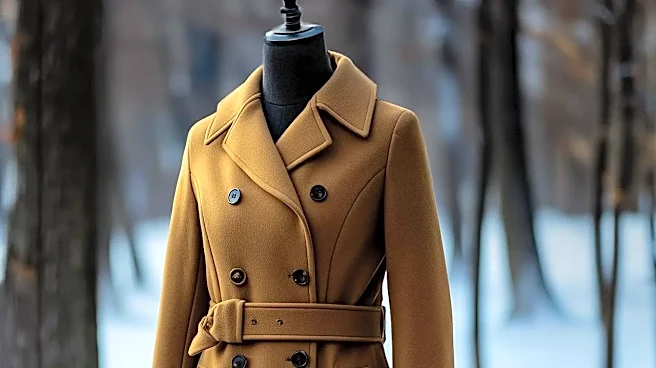
A crisp white shirt is a non-negotiable staple, but the neutral palette of a discerning professional extends into warmer, softer tones. High-quality blouses, knits, and shells in ivory, cream, and bone offer a sophisticated alternative to stark white. These colors are less severe and pair beautifully with the foundational blues and greys, creating a look that is both approachable and authoritative. Similarly, shades of camel and beige, especially in the form of a trench coat, blazer, or trousers, signal an understated, modern confidence. This is the palette of “quiet luxury,” where the focus is on impeccable fit and luxurious fabrics like silk, fine-gauge cashmere, and soft cotton poplin that let the subtle colors shine.
The Strategic Accent: Deep Burgundy and Forest Green
While finance dress codes are conservative, color is not entirely forbidden; it's simply deployed with strategic precision. Forget loud, bright hues. The acceptable accent colors are deep, rich, and serious. Think burgundy, forest green, and deep plum. For women, a silk blouse in emerald green under a charcoal blazer adds personality while maintaining professionalism. For men, a tie in a deep burgundy or a subtle pattern can elevate a standard suit. These jewel tones convey confidence and leadership without being distracting. They are often reserved for those in more senior positions or for business-casual settings where a bit more individuality is welcome.
The Modern Edge: Earth Tones and Olives
As dress codes relax slightly, particularly in fintech or on business-casual days, a sophisticated palette of earth tones has emerged. Olive green and rich, dark brown offer a contemporary alternative to the traditional navy and grey. For men, tailored chinos in olive or khaki, paired with a navy blazer, have become a reliable uniform. For women, a dark brown or dark green suit can be a tastefully different choice that stands out from a sea of black. These colors feel grounded and modern, suggesting an adaptable and forward-thinking professional. They work best in high-quality materials like wool, tweed, or structured cotton to maintain a polished silhouette.
The Unspoken Color: Texture as a Statement
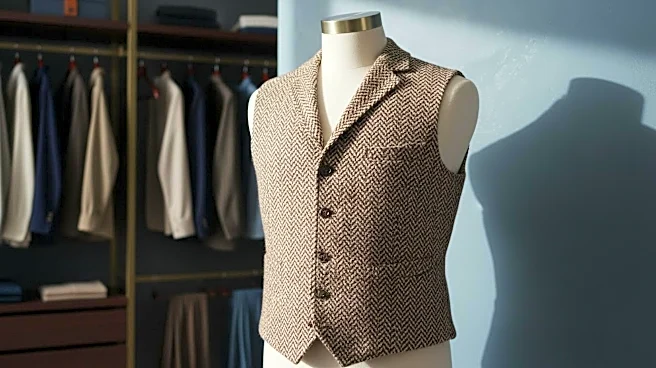
In a world of muted palettes, texture becomes a primary way to add visual interest. A high-quality closet is full of it. Think of a herringbone wool blazer, a finely knit cashmere sweater, or a grenadine silk tie. Each of these adds depth to an outfit without introducing a bold color. The subtle weave of an Oxford cloth button-down shirt offers more dimension than a flat poplin. This is where true sartorial confidence lies—in the ability to build a sophisticated look through the interplay of materials. A monochromatic outfit in varying textures can look far more intentional and luxurious than one with multiple colors, signaling an understanding of quality that goes beyond the label.