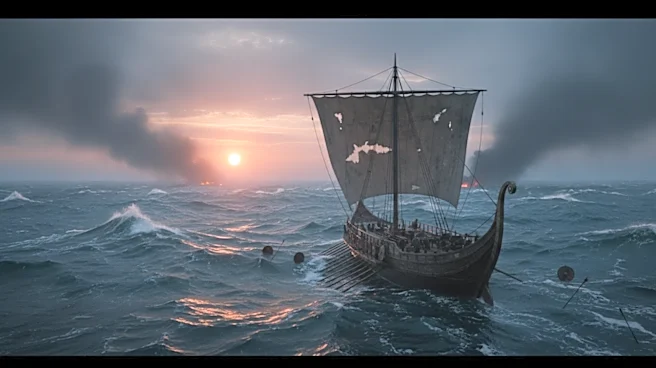








Too Many Stars, Not Enough Sky
The modern blockbuster has a casting problem. In the race to assemble the most marketable cast possible, films often end up with a dozen stars who need their moment, whether the story can support it or not. The result is often a narrative traffic jam.
Characters are underserved, plotlines feel rushed, and A-listers are wasted in roles that amount to little more than a checklist of appearances. Even massive franchises like the later Avengers films can struggle to give every hero a meaningful arc when the roster grows too large. The film either becomes a frantic, disjointed mess or it relegates powerhouse actors to a few lines of dialogue, leaving audiences wondering why they were there at all. It’s a common pitfall of ambition, where the desire to create an epic-feeling event movie backfires, yielding a product that feels diluted rather than grand.
The Original Road Trip
Homer’s epic poem, The Odyssey, is essentially a ten-year journey home after a ten-year war. But its genius lies in its structure. The story of Odysseus’s travels isn't a single, continuous narrative with 20 recurring characters. Instead, it’s built around a central hero with a clear, unwavering goal: get back to Ithaca. The narrative is largely episodic, constructed as a series of distinct adventures on different islands. Odysseus and his crew land, face a unique challenge presented by a memorable new character—the monstrous Cyclops Polyphemus, the enchanting witch Circe, the captive goddess Calypso—and then move on. This structure begins in media res, or in the middle of things, using flashbacks and nested stories to fill in the past without losing forward momentum. It’s a model that keeps the focus tight on the protagonist while allowing for a rich, varied world of supporting players.
Every Star Gets an Island
Herein lies the lesson for the modern ensemble film. Instead of trying to juggle twelve main characters for two hours, what if a movie adopted an Odyssean structure? The core of the film would remain focused on one or two protagonists on a clear quest. The star-studded supporting cast wouldn't be awkwardly crowbarred into the main plot; instead, they would be the plot. Each major star gets their own “island”—a self-contained sequence where they are the central antagonist or ally, the primary obstacle or solution. They get a full, impactful mini-arc. They can chew the scenery, deliver a stunning performance, and make a lasting impression before the protagonist moves on. This approach gives each actor significant weight and a memorable moment to shine without derailing the main story. It’s the difference between a dozen people humming along and a series of killer guest verses on a great album.
Who's Already Nailing It?
Some of the most successful modern films already use a version of this model, whether intentionally or not. The John Wick series is a perfect example. John’s goal is simple, usually revenge or survival. His journey is a linear trip through an underworld of assassins, with each major fight sequence or visit to a new location serving as an “island” populated by a distinct, memorable character. Similarly, a whodunit like Knives Out excels by giving each member of its ensemble a specific, vital role in relation to the central investigation. Detective Benoit Blanc is the Odysseus figure, and each family member is an “island” he must visit to gather clues, giving every actor a chance to deliver a standout performance as their motives are explored. These films work because they understand that a strong central spine can support numerous, powerful, but temporary encounters.