
The Old Festival Playbook
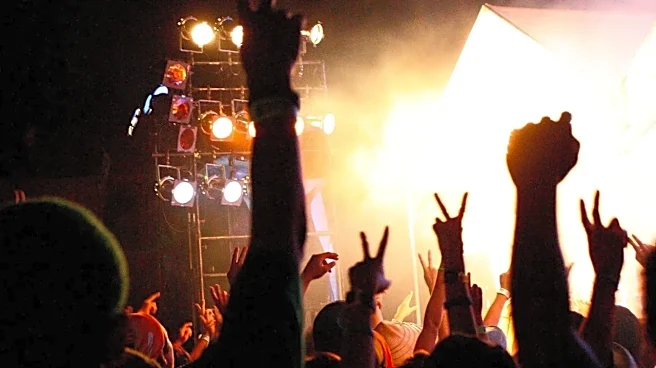
For much of the 2000s and 2010s, the blueprint for a major American music festival was fairly rigid. The top lines of posters for events like Coachella, Lollapalooza, and Bonnaroo were dominated by a specific rock-centric canon: iconic reunion acts, reigning
indie-rock kings, and the occasional superstar rapper. Outside Lands, which began in 2008, was a prime example of this model. For its first decade, the festival built a reputation on a specific flavor of headliner, often leaning into indie and rock acts. While successful, this formula also revealed a significant blind spot. In the ten years leading up to 2018, the festival had not featured a single solo female artist in a headlining slot, a point of growing criticism from fans and journalists. The festival canon, it seemed, was not only genre-specific but also overwhelmingly male.
The Game-Changing 2018 Booking
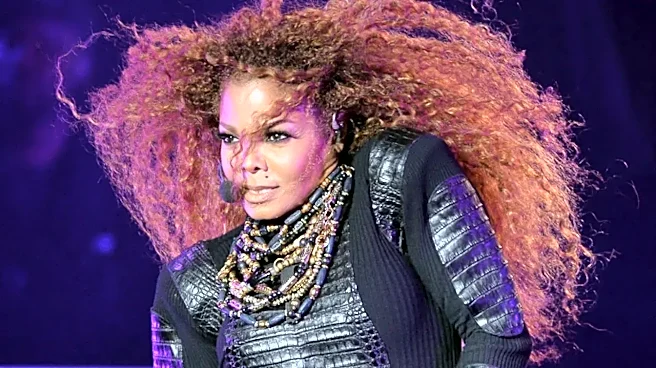
When Outside Lands announced its 2018 lineup, the inclusion of Janet Jackson as a headliner alongside The Weeknd and Florence + The Machine felt like a deliberate and powerful course correction. This wasn't just about adding a woman to the top of the bill; it was about choosing a titan of pop and R&B whose legacy and performance style existed outside the festival's traditional indie-rock wheelhouse. The booking was a direct response to years of questions about the lack of female headliners and a move toward a more diverse, hip-hop and R&B-forward lineup. For Jackson, it was a moment of cultural vindication, a high-profile restoration of her legacy on a major American stage following the infamous 2004 Super Bowl incident that had unfairly stalled her career. The choice was a gamble that the festival’s audience was ready for a different kind of headliner, one built on polished choreography, pop anthems, and unapologetic star power.
The Nostalgia Economy and the New Canon
The gamble paid off spectacularly. Jackson’s performance was a masterclass in showmanship, spanning decades of hits and affirming her status as pop royalty. More importantly, its success, coupled with Beyoncé's legendary Coachella performance that same year, proved there was a massive, underserved audience for legacy pop and R&B acts in the festival space. This helped accelerate a larger market shift. Festival organizers realized that the aging millennial audience, who grew up with MTV and arena pop, now had the disposable income for premium festival experiences. Nostalgia became a powerful economic engine. The old canon, centered almost exclusively on rock and alternative music, was cracking open. Festivals began to understand that to survive and grow, they needed to broaden their appeal, creating multi-generational bills that put pop legends, hip-hop icons, and indie darlings on equal footing.
What the Shift Means for Festivals Today
Today, the ripple effects of that 2018 booking are clear. The top lines of festival posters are more eclectic than ever. It's no longer surprising to see artists from pop, R&B, and even K-Pop commanding the biggest stages. Lineups for major festivals in 2026, including Outside Lands itself, showcase a blend of genres and eras, mixing contemporary stars like Charli XCX with established rock bands such as The Strokes. This diversification is the direct legacy of pivotal bookings like Jackson's. She didn't just perform at Outside Lands; she helped prove a new model was possible. By breaking with tradition, the festival didn't alienate its base—it expanded it, creating a more inclusive and resilient template for what a modern American music festival could be.