




You found the perfect pair of trousers, but they’re a few inches too long. The impulse is to rush them to a tailor. But hitting 'go' on that alteration without one key accessory in hand can lead to a fit that’s anything but perfect.
It’s All About the Break
The secret to a perfectly
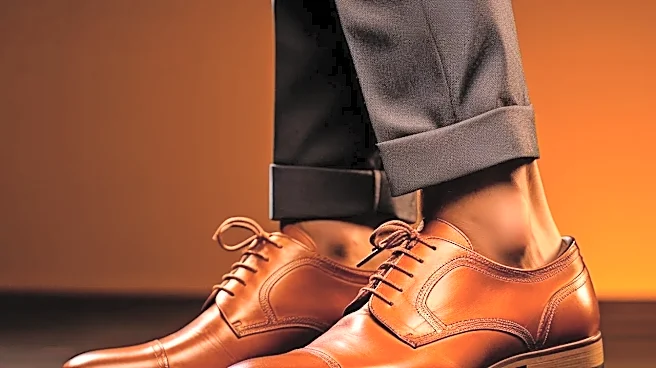
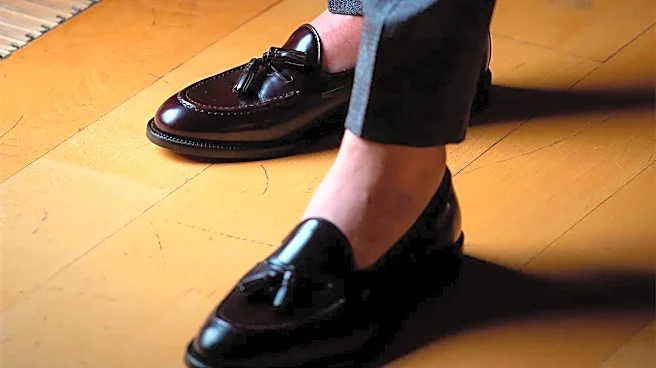
hemmed trouser isn't just about length; it's about the 'break'. The break is the small, horizontal fold of fabric that forms where your pants meet your shoes. This single detail can define the entire vibe of your outfit. A 'no break' hem, which just skims the top of the shoe, creates a sharp, modern look often seen with slim-fit trousers. A 'slight break' or 'half break' offers a subtle fold and is the versatile sweet spot for most office and casual settings. A 'full break', with a more pronounced fold, gives off a traditional, classic feel, but can look sloppy if not done intentionally on the right pair of trousers. Rushing to hem without considering the break is like painting a room without choosing the furniture first—the final result is unlikely to feel harmonious.
How Shoes Change Everything
The height and shape of a shoe dramatically alter where a hem falls. Hemming trousers to wear with your favorite 2-inch heels means they will likely drag on the ground and fray when you switch to sneakers. Conversely, pants hemmed for flats will look awkwardly short, like high-waters, the moment you put on a pair of boots or pumps. But it’s not just about heels versus flats. The specific style of shoe matters immensely. A chunky sneaker with a thick sole will push the hem up more than a sleek, low-profile loafer will. A boot with a higher shaft will interact with the trouser leg differently than an open-toed sandal. Deciding on the hem without the shoe is pure guesswork, and it’s a gamble that rarely pays off in a polished look.
The Tailor’s Golden Rule
To get it right, there’s one non-negotiable rule: always bring the shoes you plan to wear most often with the pants to the tailor. When you're at the fitting, wear the shoes and stand in a natural, relaxed posture. A good tailor will pin one leg and have you walk, sit, and look in a full-length mirror to ensure the length is correct from all angles. Don't be afraid to communicate what you want. Phrases like 'I'd like a slight break over these loafers' or 'I want the back to clear my heel so it doesn't drag' are more helpful than just saying 'make them shorter'. If you truly want to wear a single pair of pants with both flats and heels, you can ask for a compromise hem, but know the limitations. It works best if the heel height difference is less than two inches; any more, and the pants will be a little too long with one pair and too short with the other.
A More Strategic Wardrobe
For a truly seamless wardrobe, the best approach is to dedicate specific trousers to specific types of footwear. This might sound extravagant, but it’s a strategic move that ensures every outfit looks intentional. It means having one pair of wide-leg trousers perfectly hemmed to graze the floor in your favorite block heels, and a different pair of straight-leg chinos cut to sit cleanly atop your go-to sneakers. Rather than one pair of pants that is a 'master of none', you build a collection where each piece is perfectly optimized for its purpose. This mindset shift—from seeking a single, do-it all solution to curating specific pairings—is the foundation of a polished and effortlessly functional wardrobe.