
The Lookbook: Clarity for Commerce
Think of the lookbook as the most straightforward version of a garment's story. Its primary job is commercial. A lookbook is a visual catalog designed for retail buyers, editors, and increasingly, direct
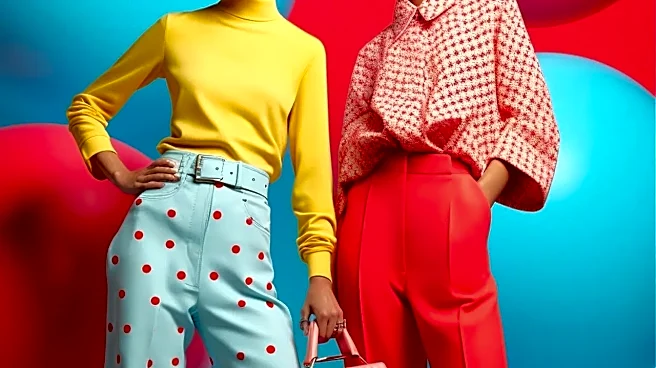
consumers to see the clothes clearly. The styling is intentionally clean, often shot against a neutral background with minimal distractions. The goal isn't to create a fantasy; it's to showcase the product's design, fit, and details. You'll see the piece from multiple angles, understand the fabric, and grasp how it might fit into an everyday wardrobe. It’s fashion as information, providing a clear, digestible view of what is for sale. This version is the anchor, the baseline reality of the collection before it's given a theatrical new life.
The Runway: Drama, Narrative, and Emotion
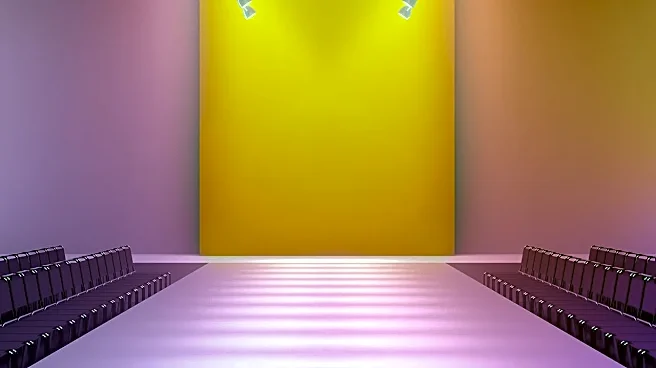
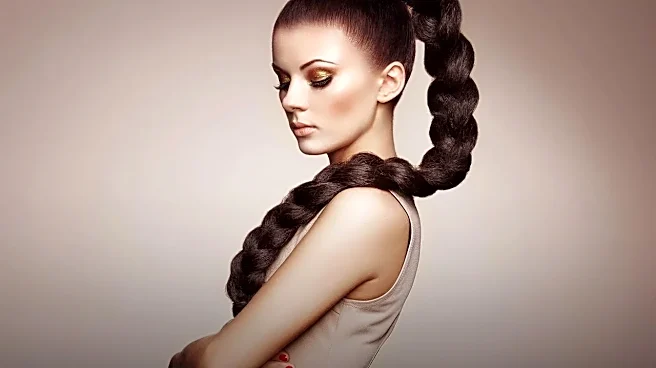
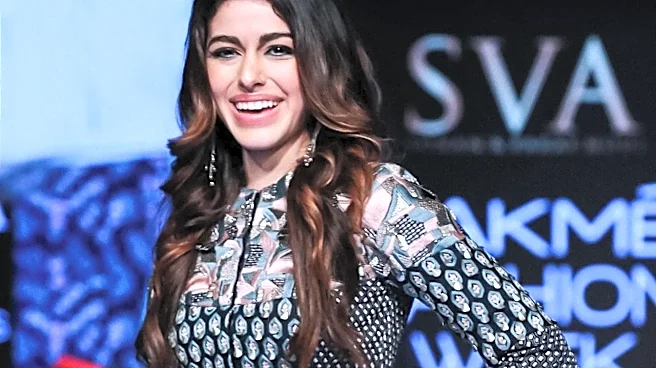
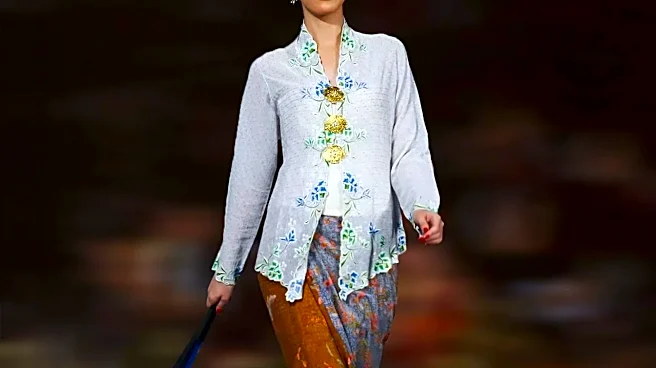
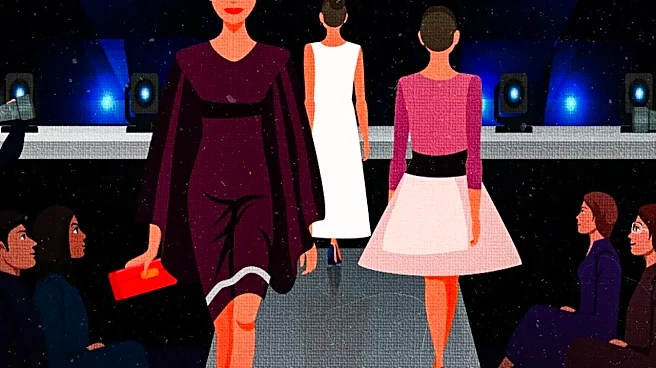
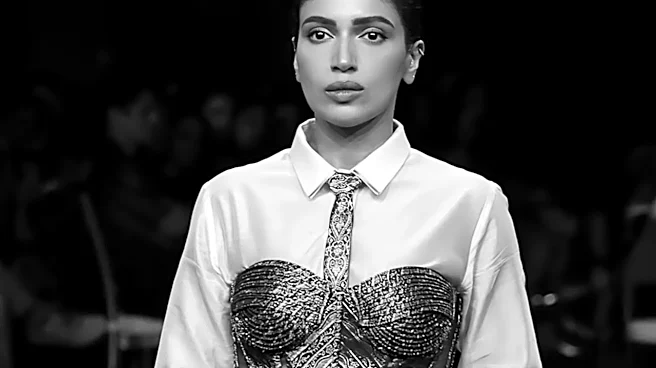
If the lookbook is about information, the runway is about emotion. A fashion show is live theater, and the clothes are costumes for the characters in the designer's seasonal play. At an event like London Fashion Week, the objective shifts from simply showing a product to building an entire world. Here, a stylist's work becomes transformative. That simple jacket from the lookbook might be worn over three other layers, with its sleeves pushed up, paired with unexpected accessories, and topped off with dramatic hair and makeup. The goal is to create a memorable, often exaggerated, silhouette that tells a story and captures a mood. It's less about how one person would wear the jacket and more about conveying the collection's core theme, whether it's '80s city revelry, surrealist history, or British festival culture.
The Stylist's Toolkit: From Subtle to Extreme
The transformation between these two presentations is the work of a highly skilled stylist, in collaboration with the designer. Their toolkit is vast. It starts with layering—a runway show might feature a spring jacket over a chunky knit, something impractical in reality but visually powerful. Accessories are deployed not just to complement, but to alter a garment's meaning. A prim dress can become punk with the addition of heavy boots and chain jewelry. Proportions are often manipulated for the show; a belt can be used to cinch a waist dramatically, or a tailor might make last-minute adjustments backstage to change a silhouette just for its 30 seconds on the catwalk. These choices aren't random; they are meticulously planned to create a cohesive and impactful narrative from the first look to the last.
The Magic of Movement
A crucial difference is the medium itself: a static photograph versus a body in motion. A lookbook photo freezes a garment in time. On the runway, however, a designer and stylist must consider how fabric will flow, bounce, and drape as a model walks. Some styling choices are made specifically to enhance this movement. Fringed details, fluid silks, and lightweight layers are used to create a sense of life and energy that can't be captured in a still image. The runway presentation is a multi-sensory experience, with music and pacing contributing to the overall feel. The styling is therefore designed to perform, making the clothes feel dynamic, alive, and deeply desirable in a way that a simple product shot often cannot.