







Cut: The Sparkle You Can’t Compromise On
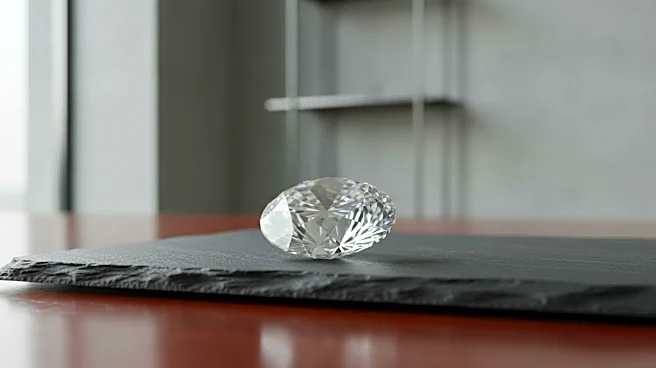
The most common mistake buyers make is treating Cut as just another 'C' on the list, or confusing it with the diamond's shape (like round or pear). Many prioritize carat or color, thinking a bigger, whiter stone is always better. The reality is that Cut is the single
most important factor for a diamond’s brilliance. It refers to how well a diamond’s facets interact with light. A poorly cut diamond, no matter how large or colorless, will look dull and lifeless because it leaks light out of its sides and bottom instead of reflecting it back to your eye. An excellent cut, on the other hand, can make a diamond appear larger, brighter, and hide minor imperfections in color or clarity. If you have to make a trade-off, experts agree: never compromise on cut. It’s the engine that drives the sparkle everyone is after.
Color: The Myth of 'D-Flawless or Bust'
Buyers often get fixated on getting the highest color grade possible, believing anything less than a D, E, or F grade will look yellow. In the world of white diamonds, color is graded on the absence of it, from D (colorless) to Z (light yellow/brown). However, the difference between adjacent color grades is often so subtle that even professional graders can struggle to tell them apart without master stones for comparison. For most people, a diamond in the G-J range, or 'near-colorless' category, will appear perfectly white to the naked eye, especially once it's set in a ring. The color of the metal setting also plays a huge role; a warmer-toned diamond can look brilliant in a yellow or rose gold setting. Paying a huge premium for a D-color grade is often unnecessary when a G or H grade offers nearly identical visual appeal for a fraction of the cost.
Clarity: Paying for Perfection You Can't See
The myth here is that you need a flawless diamond. Clarity measures the presence of tiny imperfections, called inclusions, which are graded under 10x magnification. Many buyers overspend on high-clarity grades like Flawless (FL) or Internally Flawless (IF), assuming any inclusion is a dealbreaker. But the vast majority of these inclusions are completely invisible to the naked eye. The goal for a smart buyer isn't a flawless grade on a certificate; it's finding an 'eye-clean' diamond. This means no inclusions are visible from a normal viewing distance. Diamonds in the VS1, VS2, and even some SI1 clarity ranges often appear perfectly clean to the eye but cost significantly less than their VVS or Flawless counterparts. Paying for a higher clarity grade that offers no visible benefit is one of the easiest ways to overspend.
Carat: Confusing Weight with Size
Everyone wants a big diamond, but the biggest misconception is that carat is a measure of size. It's not. Carat is a unit of weight. Two diamonds with the exact same carat weight can have very different visual sizes depending on their cut and shape. A poorly cut diamond might carry too much of its weight in its depth, making it look smaller from the top than a well-cut diamond of a lower carat weight. Furthermore, certain shapes, like ovals, pears, and marquises, have a larger surface area and create the illusion of being bigger than a round diamond of the same weight. Chasing a specific number, like a perfect 1.0 carat, can also be a costly mistake. A 0.95-carat diamond can look identical in size but cost significantly less due to falling just under that popular weight category. The smart move is to focus on the diamond's measurements and cut quality, not just the carat number.