







More Than Just a Song
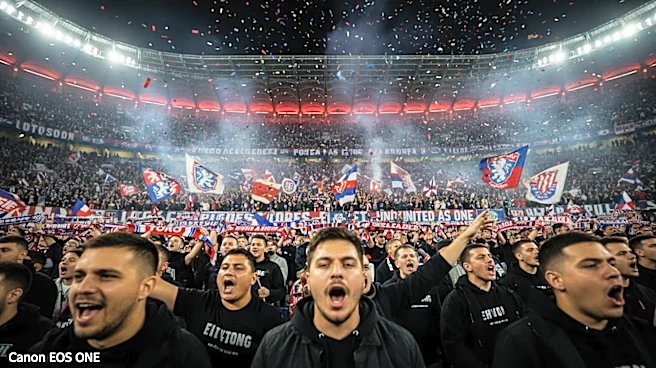
First, let's get one thing straight: these aren't your average, spontaneous ballpark cheers. The most intense sounds of a soccer stadium are part of a highly organized, 90-minute performance. In Europe and South America, the most dedicated fan sections
are led by a "capo," a sort of conductor who directs the chants, songs, and coordinated movements. Their goal is to create a constant wall of sound. These chants are a mix of original songs, melodies borrowed from pop music or folk tunes, and simple, rhythmic calls. The key is unison. When tens of thousands of people synchronize their voices, breathing, and even heart rates, it creates a profound sense of connection and group identity. This isn't just about making noise; it’s about performing an identity and turning a section of the stadium into a single, unified entity.
The Roots of the Roar
This tradition has deep, international roots. Modern chanting culture exploded in the 1960s, particularly in England. The working-class fans in the standing-only sections, known as terraces, began adapting pop songs and hymns into anthems of support and taunts for their rivals. This is the origin of the reactionary, often witty, and sometimes aggressive style of chanting that responds directly to the action on the field. Meanwhile, a different style was evolving in South America with the rise of "barras bravas." These organized supporter groups, originating in Argentina in the 1950s, are known for a more continuous, drum-heavy, and melodic style of support. Their performances are less about spontaneous reaction and more about providing a constant, intimidating, and lyrical soundtrack to the game. European "Ultra" groups, which emerged in Italy in the 1960s, blend these traditions, using coordinated choreography, pyrotechnics, and a mix of melodic songs and aggressive chants to create an intimidating spectacle.
The Psychology of Sound
So, what's the point of sounding like a warning? It’s psychological warfare. Supporters and sports psychologists agree that a loud, unified crowd acts as the proverbial "12th man." For the home team, the chants are a massive confidence booster, creating a sense that they are playing for something larger than themselves. The relentless noise can motivate players and keep them fighting until the final whistle. For the visiting team and their fans, the effect is the exact opposite. The goal is to create a hostile, intimidating atmosphere that can shake their confidence and disrupt their focus. This sonic dominance is a way of marking territory, a declaration that this stadium belongs to the home team and that the opposition is entering a fortress. The silence of a typically loud stadium after a devastating loss can be just as powerful, signifying the moment a fortress has fallen.
Decoding the 'Warnings'
While the tone can be menacing, the chants themselves are rarely literal threats. Instead, they function as expressions of social identity, often centered on club loyalty, local pride, or historical rivalries. The lyrics might praise their own players, mock the opposition's weaknesses, or recount past glories. Sometimes, the chants even serve as a form of social or political protest. However, there is a darker side. The same powerful group identity that fosters unity can also fuel aggression, and chants have sometimes crossed the line into racist, homophobic, or otherwise offensive territory, prompting crackdowns from soccer authorities like FIFA. The line between intimidating banter and genuine harm is one that fan groups and governing bodies continue to navigate. But for the most part, the "warning" you hear is a ritualized display of passion, not a promise of violence. It's a key part of the spectacle, designed to give one team an edge and to remind everyone watching that in soccer, the fans aren't just spectators—they are participants.