


The Art of the Newspaper Movie Page
For decades, the newspaper was the primary battlefield for movie marketing. Studios would send out “ad slicks”—pre-designed, black-and-white templates—for local papers to run. The Friday and Sunday entertainment sections became a collage of competing
blockbusters. These ads were an art form in miniature. With limited space and no color, they relied on stark, iconic imagery and killer taglines. Think of the simple, terrifying poster art for Jaws (1975) or the dynamic Tom Jung illustration for Star Wars (1977). These images, paired with a list of local theaters, created a tangible sense of event. You weren’t just seeing an ad; you were looking at a directory of communal experiences happening all around you. Seeing a small ad for Star Wars grow into a full-page spread over several weeks was a physical manifestation of its word-of-mouth success. This slow burn built a different kind of hype, one based on local buzz and the satisfying ritual of checking the paper to plan your weekend.
Theater of the Mind Radio
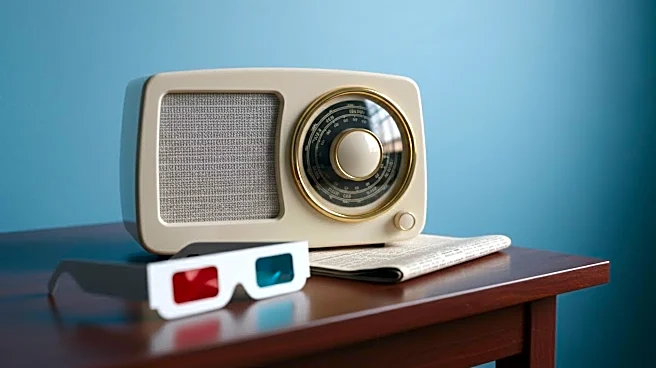
While newspaper ads provided the visuals, radio spots did the work of building atmosphere. Without a screen, marketers had to paint a picture with sound. They relied on deep-voiced announcers, memorable taglines, and snippets of dialogue or John Williams's iconic scores. A classic radio spot for a summer thriller might feature a dramatic voice-over, a scream, a key line from the film, and the title repeated three times for emphasis. It was pure theater of the mind. This audio-only approach forced you to imagine the world of the film, creating a sense of mystery and anticipation that a high-definition trailer, which often reveals key plot points, can’t replicate. It was a less-is-more strategy that trusted the audience's imagination to fill in the blanks, making the eventual trip to the theater feel like the answer to a question posed weeks earlier on your car radio.
The Dawn of a New Marketing Era
The blockbuster era, largely kicked off by Jaws, was initially built on this print and radio foundation, but it also pioneered the next wave. Universal’s campaign for the film was unprecedented, incorporating a massive television ad blitz during primetime hours. The studio spent a then-staggering $700,000 on TV commercials alone, bringing the shark into living rooms across America. This, combined with a wide theatrical release in hundreds of theaters at once—a departure from the slow, city-by-city rollouts of the past—created the template for the modern blockbuster launch. Star Wars followed suit, solidifying the idea that a massive, multi-pronged marketing push was essential for a summer hit. These films proved that summer, once considered a dead zone for cinemas, could be Hollywood's most profitable season.
What We Lost in the Digital Flood
Today, movie marketing is an inescapable, 24/7 digital onslaught. We have teaser trailers for trailers, character posters released on Instagram, cast Q&As on TikTok, and targeted ads that follow us across the web. The marketing budget for a major film can now easily surpass its production cost. While this saturation ensures no one misses a release, something has been lost. The old system fostered a sense of discovery and patience. Anticipation was a slow burn, built through fragmented clues from a newspaper ad or a 30-second radio spot. The movie-going experience felt more deliberate and communal. You had to seek out the information, talk to friends, and make a plan. Now, the hype machine is so loud and pervasive that by the time you’re in your seat, you may feel like you’ve already seen half the movie. The mystery is gone, replaced by an overwhelming volume of content designed to eliminate all uncertainty and guarantee a return on investment.