



It’s the unsung hero of your wardrobe: the hem. More than just a finishing touch to stop fraying, the depth of a hem is a secret sign of quality that directly impacts how your clothes hang and how easily they can be tailored later on.
The Hem's First Job: Creating a Clean Drape
Think of a hem as
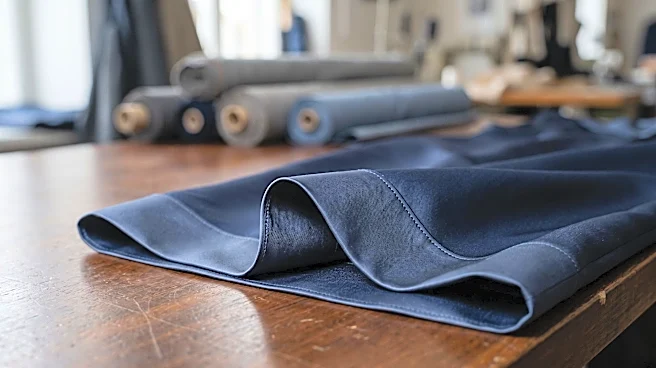
the anchor for your garment. Its primary function is to add weight to the edge of the fabric, which helps it hang smoothly and gracefully. This is what designers call 'drape'. A deeper hem, made by folding over a more generous amount of fabric, adds more weight. This added heft pulls the fabric gently downwards, preventing it from flaring out awkwardly or looking flimsy. It’s the difference between a coat that hangs with authority and one that seems to float away from the body. Different fabrics and garment styles require different hem depths to achieve the right effect. Lighter, sheer fabrics might use a very narrow rolled hem to keep things delicate, while heavier wool trousers or A-line skirts benefit from a deeper hem of two to three inches to give them structure and a clean line.
Why Weight and Shape Matter
The relationship between hem depth and drape isn't one-size-fits-all. A deep, heavy hem on a piece of lightweight chiffon would pull the garment down and ruin its airy quality. Conversely, a tiny hem on a heavy wool coat would be too light to control the fabric, leading to a wavy or uneven edge. The shape of the garment also plays a crucial role. A straight pant leg or skirt can handle a deep hem beautifully. But on a flared or circular skirt, the raw edge of the fabric is much wider than the line where it will be stitched. Forcing a deep hem onto a curve can cause puckering and bulk. In these cases, a narrower hem is easier to control and results in a smoother finish.
Your Insurance Policy for Future Alterations
Beyond aesthetics, a generous hem is a practical gift to your future self. That hidden fold of fabric is your tailor's best friend. The most obvious benefit is the ability to lengthen a garment. If you buy a pair of trousers that are just a touch too short or find your favorite skirt now feels a bit high, a deep hem provides the extra material needed to let it down. A skimpy hem allowance of a quarter-inch offers no such option. This extra fabric is also invaluable for repairs. Should the bottom edge of your pants become frayed from dragging or a skirt hem get snagged, a tailor can trim the damaged portion and create a new hem from the existing allowance, saving the garment. Some high-quality pieces even include an inch or more of seam allowance in the side seams for similar 'just-in-case' adjustments.
How to Spot a Good Hem When Shopping
You don’t need to be a seamstress to evaluate a hem. When you're shopping, simply flip the bottom edge of the garment inside out. For trousers, skirts, and coats, look for a hem depth of at least one inch, and ideally closer to two. It should feel substantial and be finished neatly, often with a blind stitch that's nearly invisible from the outside. On ready-to wear clothing, a skimpy hem finished with a simple overlock stitch is often a sign of cutting costs, as it uses less fabric and time. While this is standard for tshirts and some knitwear, on tailored pieces it signals lower quality and leaves you with zero options for future lengthening. Paying attention to this small detail can tell you a lot about the overall construction and longevity of a piece.