





The Family Business: Two Committees, One Birthday
Every powerful family has its squabbles, and the 'family' tasked with planning the nation's semiquincentennial is no exception. The trouble began with what should have been a straightforward mission. In 2016, Congress created the U.S. Semiquincentennial
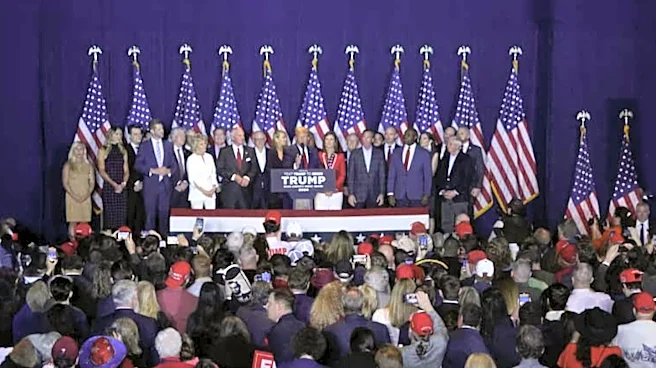
Commission, a nonpartisan body also known as America250, to organize the celebration. Chaired by former U.S. Treasurer Rosie Rios, its goal was to foster the largest and most inclusive anniversary in the nation's history. But in the world of high-stakes event planning, nothing is simple. In 2025, the Trump administration established a second, competing entity: a public-private partnership called Freedom 250. Suddenly, there were two organizations with similar names and overlapping goals, creating confusion and setting the stage for a power struggle over who truly gets to steer the national celebration.
The Battle for CEO: Funding and Influence
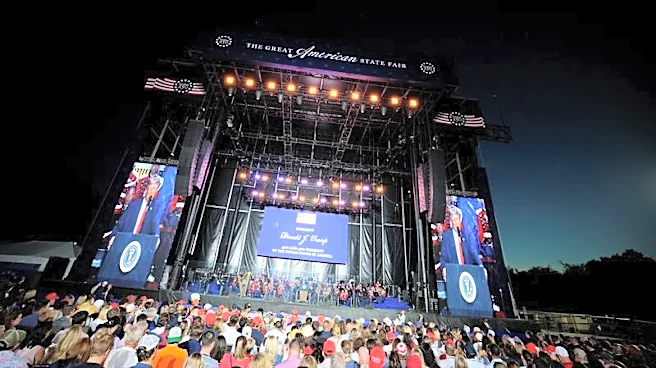
In 'Succession,' the ultimate prize is control of the company. In Washington, the currency is funding and influence. The drama escalated when the congressionally chartered America250, which was expecting significant federal funds, found its budget slashed. The commission reported a massive funding shortfall while the newer, White House-backed Freedom 250 received tens of millions in taxpayer funds. Democrats in Congress accused the administration of hijacking the anniversary, siphoning public money to a favored group, and co-mingling it with private donations in a way that obscures who is buying influence. The rivalry became so pronounced that musical artists began pulling out of a major event on the National Mall, stating they were misled into thinking they were performing for the bipartisan commission, not the politically aligned Freedom 250.
The Competing Heirs: A Fight for America's Narrative
Just as the Roy children have wildly different visions for Waystar RoyCo, the factions behind America 250 are fighting over the very story of America. Is this a moment for pure, uncritical celebration, or a time for reflection on the nation's 'unfinished work'? Polling shows a stark partisan divide, with Republicans far more excited for the anniversary than Democrats and Independents. Progressive groups have emerged to counter what they see as a narrow, exclusionary narrative, while conservatives worry that the commemoration will be bogged down by historical critique. This ideological tug-of-war has turned what was intended as a unifying moment into a microcosm of the nation's broader political divisions, challenging the very idea of a shared national story.
The 'Living+' Deal: Brands on a Tightrope
The fight isn't just about ideology; it's also about big business. The 'Succession' equivalent of a disastrous product launch like 'Living+' can be seen in the corporate world's cautious dance around the anniversary. What should be a brand-safe, patriotic marketing opportunity has become a political tightrope. Companies are wary of appearing to take a side in a deeply polarized environment. While major brands like Coca-Cola and Kraft Heinz have signed on as official partners with the nonpartisan America250, their campaigns focus on unifying, service-oriented themes like volunteerism rather than overt political patriotism. The infighting and political branding have created what one official called 'murkiness in the marketplace,' forcing corporate sponsors to navigate a celebration that has become as much about risk management as national pride.