





Skin Tone vs. Undertone: The Critical Difference
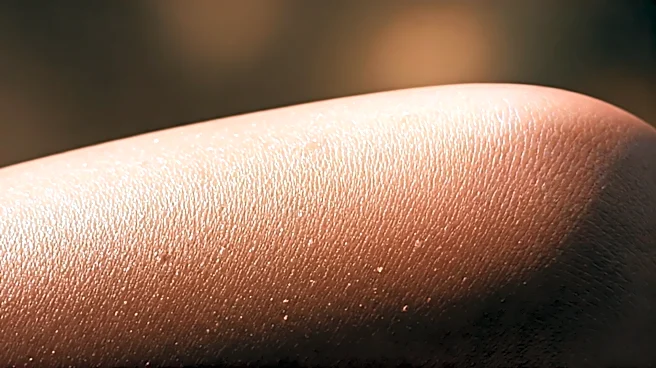
Before we dive into bronzer formulas, let's clear up the most common point of confusion: the difference between your skin tone and your undertone. Think of your skin tone as the surface color of your skin—it's what you'd describe as fair, light, medium,
tan, or deep. It can change throughout the year, getting darker in the summer and lighter in the winter. Your undertone, however, is the subtle, muted color beneath your skin's surface. It never changes. It's the intrinsic warmth, coolness, or neutrality that dictates which shades of makeup, clothing, and jewelry look most harmonious on you. This is the secret language of color that makeup artists use, and it's the key to making any complexion product, especially bronzer, look like a second skin rather than a layer of product.
How to Find Your Undertone (It’s Easy)
Figuring out your undertone is simpler than it sounds. You don’t need a special gadget or a professional consultation—just good lighting and a few seconds of observation. Here are the three most common methods: 1. **The Vein Test:** Look at the veins on the inside of your wrist. If they appear mostly blue or purple, you likely have cool undertones. If they look greenish, you have warm undertones. If you can’t really tell, or see a mix of both, you’re probably neutral. 2. **The Jewelry Test:** Think about which metals flatter your skin the most. People with cool undertones often find that silver and platinum jewelry make their skin pop. Those with warm undertones tend to look radiant in gold. If you can wear both without a noticeable difference, you're likely neutral. 3. **The White T-Shirt Test:** Grab a piece of pure white fabric (or a T-shirt) and hold it up next to your makeup-free face. If your skin looks rosy or pinkish in comparison, you’re cool. If it looks more yellowish or golden, you’re warm. If your skin takes on a grayish hue, you might have an olive undertone (a subtype of neutral), and if you see no major change, you’re likely a true neutral.
The Science of a Bad Bronzer Match
So, why does this matter for that bottle of body bronzer? Because a mismatch is what creates those tell-tale signs of a fake tan. A bronzer is essentially a mix of pigments designed to mimic the color of tanned skin. The problem is, not all tans are the same color. When someone with cool, pinkish undertones applies a bronzer that is heavily red- or orange-based, the colors clash. The warmth in the bronzer overpowers the coolness in the skin, resulting in that dreaded artificial, "Cheeto-dusted" orange look. It doesn't look like a tan; it looks like a color that's sitting *on top* of the skin. Conversely, if someone with warm, golden undertones uses a bronzer that's too cool or ashy, it can make their skin look dull, grayish, or muddy. The product neutralizes their natural warmth instead of enhancing it, which is the opposite of what a bronzer is supposed to do. The goal is to amplify your skin’s natural coloring, not fight against it.
Your Guide to a Perfect Bronzer Shade
Once you know your undertone, shopping for body bronzer becomes a much more successful mission. Instead of grabbing the most popular shade, you can look for specific color families that will complement you. * **For Cool Undertones:** You are the most susceptible to looking orange, so caution is key. Look for bronzers described as "taupe," "neutral," or those with a slightly rosy or pinkish-brown base. Avoid anything that looks overtly orange or red in the bottle. A bronzer with a slight hint of ashiness can actually look incredibly natural on you, mimicking a real shadow rather than a fake tan. * **For Warm Undertones:** Your skin has a natural golden or peachy quality, so you want a bronzer that enhances it. Look for shades described as "golden," "terracotta," or "copper." These warmer, amber-hued bronzers will blend seamlessly with your skin, giving you a believable, sun-drenched glow. * **For Neutral & Olive Undertones:** You're in the sweet spot with the most flexibility. Most bronzers will work for you, but the most natural look will come from something that isn't at either extreme of the color spectrum. A balanced, medium-brown shade is a foolproof option. Olive undertones, in particular, look fantastic in golden-brown bronzers that have a very subtle hint of green to counteract any redness and perfectly match their unique coloring.