


First Off, What Is Propolis?
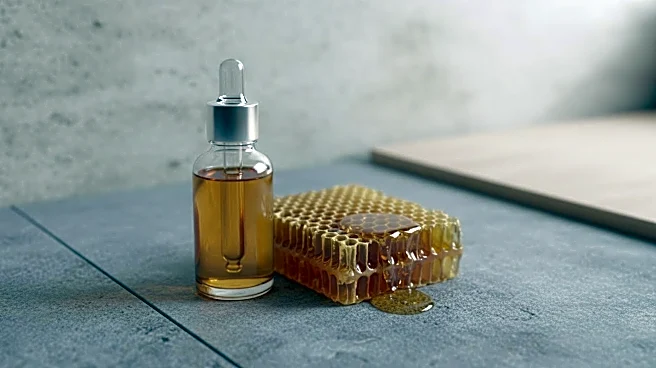
Before you put anything on your face, it’s fair to ask what it is. Propolis, often called “bee glue,” is a resin-like mixture produced by honeybees. They create it by combining their own saliva and beeswax with substances gathered from tree buds and sap
flows. In the hive, it’s the ultimate multitasking sealant, used to patch up gaps, reinforce the structure, and, most importantly, protect the colony from bacteria and other invaders. This natural defensive purpose is exactly why the beauty world has taken notice. For centuries, humans have used it for its medicinal properties; today, it’s a sought-after ingredient for its ability to protect and rejuvenate skin.
The Triple Threat to Skin Aging
So, how does this bee-made substance work against aging? The power of propolis lies in its complex cocktail of bioactive compounds, including flavonoids, phenolic acids, and amino acids. These components give propolis three core abilities that quietly but effectively combat the visible signs of aging: it acts as an antioxidant, an anti-inflammatory, and a regenerative agent. It doesn't offer a single, dramatic effect but rather a steady, supportive shield that helps your skin better defend and repair itself over time.
A Bodyguard Against Environmental Damage
Think of propolis as a personal bodyguard for your skin cells. One of the primary drivers of skin aging is oxidative stress, caused by unstable molecules called free radicals. These are generated by things we encounter daily, like UV rays and pollution. Rich in antioxidants like flavonoids, propolis neutralizes these free radicals before they can wreak havoc. This action helps protect your existing collagen, prevent the formation of fine lines and wrinkles, and maintain a more even skin tone and texture. It’s a defensive strategy that keeps your skin looking youthful for longer.
Calming Inflammation, Slowing the Clock
Dermatologists often talk about “inflammaging,” a type of low-grade, chronic inflammation that accelerates the aging process. It can be triggered by sun exposure, irritants, and even stress, leading to a breakdown of collagen and elastin. Propolis is a potent anti-inflammatory agent, making it excellent for soothing redness and calming irritated skin. By reducing this underlying inflammation, it helps preserve the skin’s structure and resilience. This makes it particularly beneficial for sensitive or reactive skin types, but everyone can benefit from keeping their skin in a calmer, less stressed state.
Supporting Your Skin’s Repair Crew
Beyond just defense, propolis actively supports your skin's natural ability to heal and rebuild. Several studies suggest that propolis can promote the synthesis of collagen, the protein responsible for your skin’s firmness and elasticity. It also contains amino acids that are crucial for cell regeneration and repair. By encouraging these regenerative processes, propolis helps accelerate the healing of damaged skin and can improve skin's overall firmness and suppleness over time. This restorative function helps smooth texture and maintain a plump, healthy appearance.
How to Add It to Your Routine
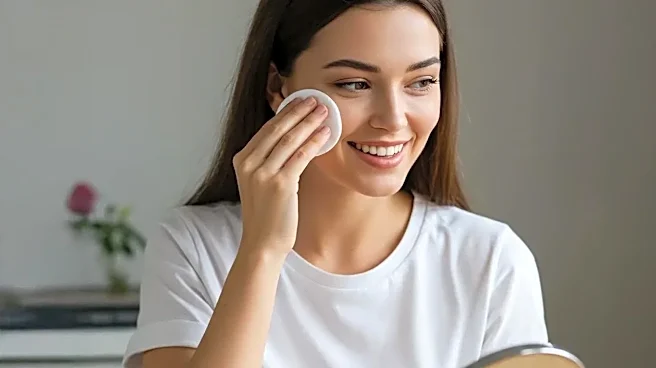
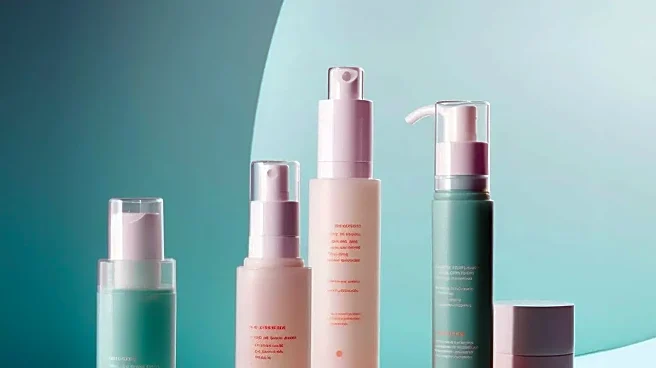
Incorporating propolis is straightforward, as it appears in a variety of products, from toners and serums to moisturizers and masks. Serums and ampoules often contain higher concentrations and are a great way to get its antioxidant and soothing benefits. Because of its gentle nature, it's suitable for most skin types, including sensitive and acne-prone skin. The one major caveat: if you have a known allergy to bees, honey, or beeswax, you should be cautious. It is always wise to patch-test a new product on your inner arm before applying it to your face, especially if you have a history of allergies.