

The Spark: Inspiration and Sketch
Every collection begins not with fabric, but with a concept. Designers draw inspiration from anything—architecture, a historical period, nature, or a specific mood. This vision is first captured in a sketchbook. These initial drawings are often quick
and expressive, focused on capturing a silhouette or a feeling rather than precise detail. Alongside sketches, designers compile mood boards, which are visual collections of images, color swatches, and fabric samples that tell the story of the collection. This foundational stage is about translating an abstract idea into a visual language that will guide the entire creation process.
From 2D to 3D: The Art of Draping
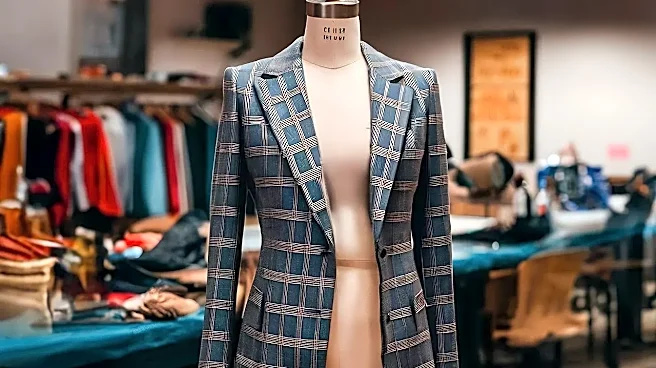
A flat sketch can't fully capture how a garment will interact with a human body. The next step is often draping, a sculptural process where the designer pins and manipulates fabric directly onto a dress form. This is where the garment’s structure truly begins to take shape. By working in three dimensions, a designer can see how the fabric falls, moves, and creates volume. This hands-on method allows for experimentation with pleats, twists, and gathers in real-time, letting the fabric itself inform the final design. Many complex or asymmetrical designs are impossible to perfect on paper and must be developed through draping.
The Blueprint: Pattern-Making
Once the draped fabric is perfected on the dress form, it’s carefully removed. This draped material now serves as a template for the pattern. The pattern maker, a highly skilled technician, translates the shapes of the draped fabric pieces into precise paper patterns. These pieces are like an architectural blueprint for the garment, complete with markings for seams, darts, and grainlines that dictate how the final fabric should be cut. For more straightforward or symmetrical designs, some designers might skip draping and move directly to flat pattern-making, drafting the design using precise measurements on paper. Either way, the pattern is the essential guide for construction.
The Trial Run: Creating the Toile
Before cutting into expensive final fabrics, the atelier creates a test version of the garment called a toile (pronounced "twahl") or a muslin. This prototype is typically sewn from inexpensive, unbleached cotton fabric. The purpose of the toile is purely technical: to check the fit, proportions, and construction of the design. It’s fitted on a model, and the designer and pattern maker will pin, draw on, and even cut into the toile to make adjustments. Is the shoulder too tight? Does the skirt hang correctly? This crucial fitting stage allows for all problems to be resolved, ensuring the final garment will be flawless.
The Final Cut: Construction and Finishing
With the pattern perfected after the toile fitting, it's time to create the actual garment. The finalized pattern pieces are laid out on the chosen fashion fabric, and the cutters begin their precise work. From there, expert seamstresses and tailors take over, carefully constructing the garment. This is where the highest level of craftsmanship is visible, from perfectly aligned seams to intricate hand-finishing and embellishments. For a high-fashion look, this process can involve hundreds of hours of meticulous work by a team of specialists. Each stitch contributes to the garment's final structure and quality.
Ready for the Runway: Last-Minute Polish
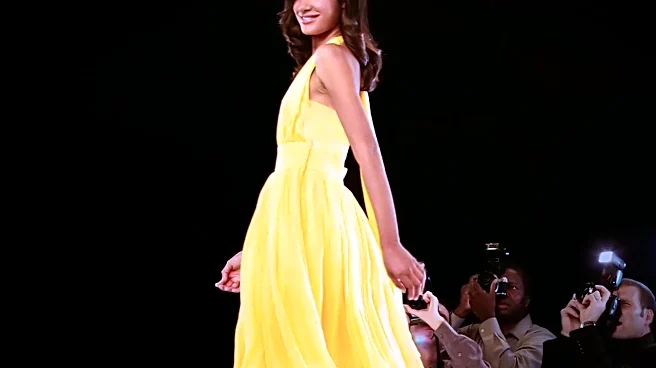
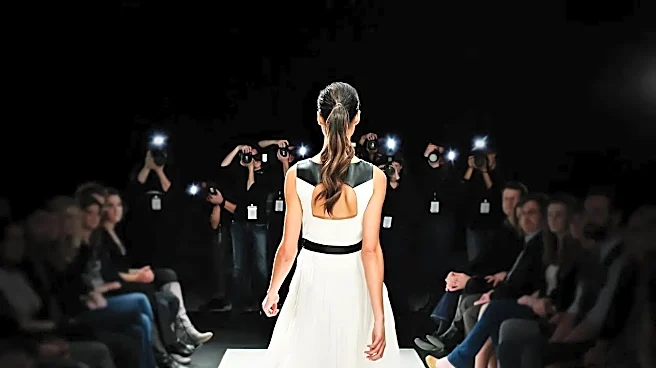
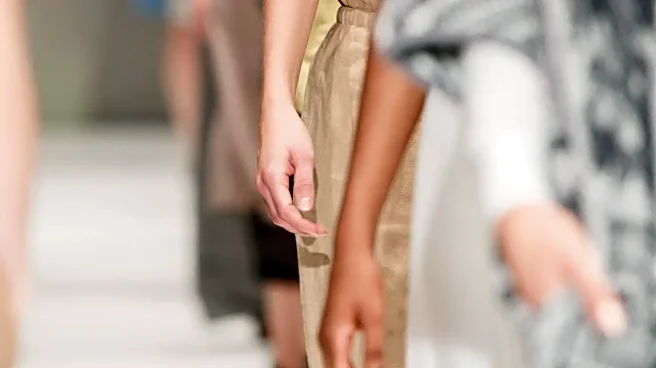
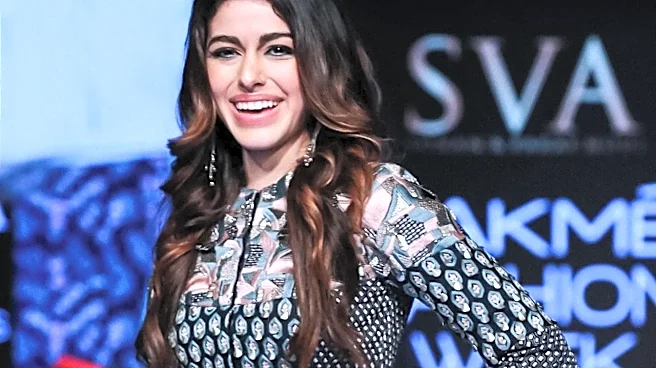
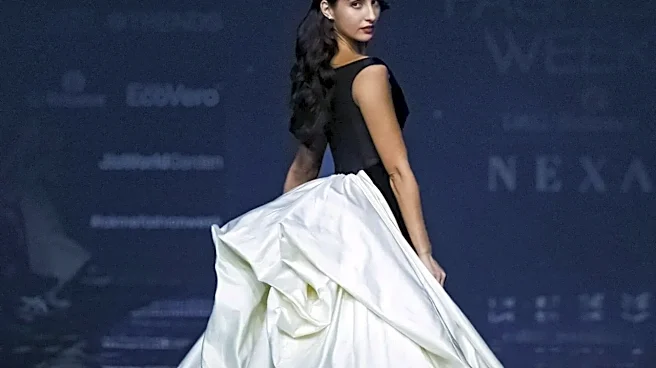
In the chaotic days and hours leading up to the show, the completed garments undergo final fittings with the specific models who will wear them on the runway. Minor last-minute alterations are often needed to ensure a perfect fit for each individual. Stylists then pair the look with accessories, shoes, and decide on the hair and makeup that will complete the vision. Backstage, a team of dressers works with military precision to get each model into their look at the exact right moment. The journey from a fleeting idea to a fully formed garment is complete only when it steps into the spotlight.