







1. Map Your Culinary Pitch
Before you can eat, you have to plan. The first step is to pick your culinary neighborhood. Is it a pre-game rally or a post-game celebration? For a pre-game crawl, focus on an area with good transit links to the stadium. For a post-game wind-down, choose
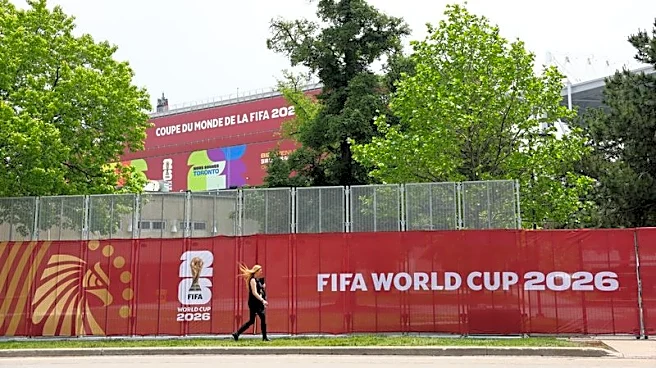
a spot near your hotel or home. For major events like the World Cup, host cities often organize official fan zones and watch parties with food vendors. Look at maps of host cities like Los Angeles, New York, or Seattle and identify a neighborhood known for a specific cuisine that’s a short train or bus ride from the stadium. This minimizes game-day stress and travel time.
2. Choose a Delicious Theme
A great food crawl has a narrative. The easiest theme is to eat the food of the nations playing. If Brazil is facing Japan, your mission is to find the best barbecue brisket and sushi in town. This turns the crawl into a part of the competition itself. Another option is to focus on a single type of food, like a taco tour in Los Angeles, a pizza pilgrimage in New York, or a barbecue quest in Kansas City. The theme gives your crawl focus and makes it easier to select your stops. Don't be afraid to mix it up; the goal is to create a memorable experience that complements the main event.
3. Master the Game Clock Logistics
Timing is everything. A pre-game crawl should wrap up at least two hours before kickoff to allow ample time for travel, security checks, and finding your seat. Aim for three to four spots, spending about 30 to 45 minutes at each. Share a single dish at each location to avoid getting too full before the main event. A post-game crawl offers more flexibility. After the final whistle, you can take your time, rehash the match’s highlights, and either celebrate a victory or mourn a loss over a longer meal. For either option, consider transportation. Rideshares and public transit are often better than driving, as stadium parking can be expensive and congested.
4. Build Your Roster of Restaurants
Once you have a theme and a neighborhood, it’s time to pick your spots. Aim for a variety that tells a story. Start with an appetizer at one restaurant, move to a main course at another, and finish with dessert or a nightcap somewhere else. Use food blogs, city guides, and review sites to find a mix of celebrated eateries and hidden gems. For big tournaments, local chefs and publications often release curated dining guides. Call ahead to check wait times, especially on a game day. Some smaller restaurants might even appreciate knowing you're part of a crawl and can prepare smaller portions.
5. Execute Your Game Day Playbook
On the day of the match, travel light. Most stadiums have strict bag policies, so you won’t want to be carrying extra items. Wear your team's colors to add to the festive atmosphere. Your pre-game crawl is a ritual, a way to build excitement and connect with fellow fans. If you're with a group, create a shared document with the route, menus, and reservation details to keep everyone organized. Embrace the energy of the day, whether you're trying a dish for the first time or returning to a favorite spot. The food crawl is part of the day's magic, an opening act for the drama on the field.
6. The Post-Match Analysis (and Dessert)
Whether your team won or lost, the crawl isn't over. Your final stop is for the debrief. This is the place for dessert, coffee, or a final drink to cap off the day. This spot can be a quieter cafe or a lively bar, depending on the mood of your group. It’s a chance to extend the communal experience of the match. You can discuss the controversial calls, celebrate the big goals, and start planning your next game day adventure. This final stop solidifies the day as a complete experience, tying the thrill of the game to the pleasure of discovering the city's culinary landscape.