


The Philosophy: Authenticity Over Perfection
The first rule of making vintage gear sound modern is to forget about making it sound “vintage.” For top-tier Americana artists and producers like Brandi Carlile and Dave Cobb, the goal isn't to create a museum piece; it's to capture a feeling. Authenticity
is the guiding principle. Carlile, a nine-time Grammy winner, emphasizes uncovering what is most authentic to the artist, often asking for simple, unproduced demos to leave room for “the moment that is rock ‘n’ roll in the studio.” This approach prioritizes the raw, emotional delivery of a song over sterile, digital perfection. It’s about capturing a performance, not just a series of notes. Cobb, who has produced for Jason Isbell, Chris Stapleton, and Sturgill Simpson, shares this ethos, focusing on the performer's voice and making the album about the artist, not layers of sound. The slight imperfections and warm saturation from old equipment are seen as features, not bugs, that add a human element often missing from hyper-polished modern pop.
The Gear: Holy Grails of Tone
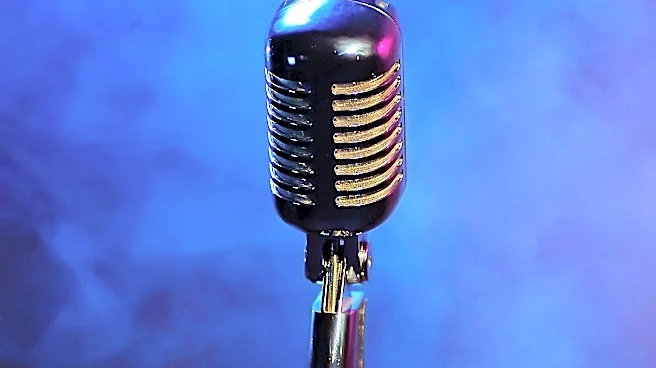
The specific equipment plays a huge role. We're talking about gear that has a soul of its own. In Nashville's legendary RCA Studio A, where Cobb often works, you’ll find a treasure trove of these tools. This includes vintage microphones like the RCA 44-BX ribbon mic, known for its warm, smooth character on vocals and brass. Classic tube amplifiers from Fender, Vox, and Magnatone are staples for guitarists like Jason Isbell, who uses a fleet of vintage Gibsons and Fenders, including a 1960 Les Paul and a 1961 ES-335. These amps and guitars aren't just tools; they're collaborators that push artists in new directions. Isbell notes that playing a specific 1960 Stratocaster wasn't just a tone choice—it became a creative direction for an entire record. The tangible, hands-on nature of this gear, from adjusting knobs on a tube console to the hum of an old amp, fosters a more deliberate and creative process.
The Modern Twist: The Best of Both Worlds
Here's the real secret: it’s not an all-or-nothing analog dogma. The contemporary sound comes from a hybrid approach. Many artists track their music using analog gear to capture that initial warmth and character but then leverage the flexibility of digital tools for mixing and editing. Producer Dave Cobb is known for recording with analog consoles and vintage microphones to tape, but then storing and editing the music digitally. He explains it's great to have both, as it allows for balancing the sonic evolution of a record. This process captures the soulful “blur” of a ribbon mic or tape saturation in high-fidelity. Artists might run a vintage guitar through a new effects pedal or use modern software plugins to subtly enhance a track recorded on an old tape machine. This fusion allows them to get the organic feel of analog recording without giving up the precision and endless possibilities of the digital world, creating a final product that is both timeless and immediate.
The Human Element: Performance Is Everything
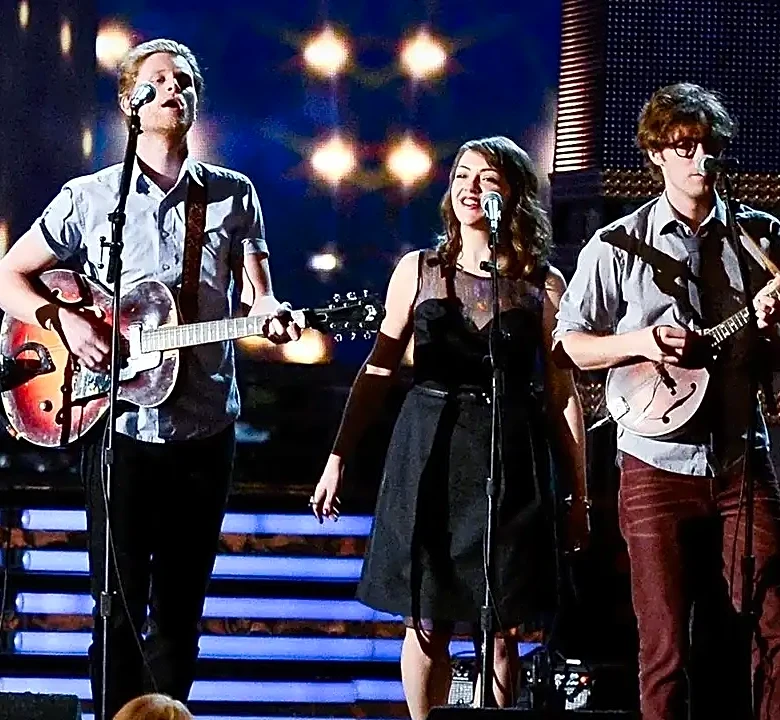
Ultimately, the gear is secondary to the performance it inspires. The limitations of vintage equipment often force artists to commit to a take, fostering an “edge-of-your-seat” energy. Influenced by producers like T Bone Burnett, artists like Brandi Carlile have embraced recording live in the studio with the full band playing together. This method captures the chemistry and spontaneous magic that can happen when musicians are in a room, reacting to each other in real-time. Dave Cobb frequently tracks everyone live, believing it makes the lyrics and their fragility shine through. The focus shifts from endlessly tweaking a computerized track to capturing a singular, unrepeatable moment. This emphasis on human interaction and raw performance is what connects with modern listeners, giving the music a sense of urgency and honesty that feels refreshingly real in a digital age.