

The Unseen Power of the Soundtrack
Music is the emotional engine of a fashion show. Long before the first model appears, the soundtrack has already set the tone, telling the audience whether to expect romance, aggression, melancholy, or joy. A thumping industrial beat can give a collection
an edgy, urban feel, while a live string quartet might suggest timeless luxury. Sound designers and composers work closely with fashion designers to translate a visual concept into a sonic landscape. The goal is to create a powerful emotional and narrative language that reinforces the brand's identity and the collection's theme. The rhythm of the music is also critical, as it dictates the speed of the models' walk. A fast tempo creates energy and urgency, while a slower beat allows for a more deliberate, graceful pace. When perfectly synchronized, the music and the movement combine to create an immersive experience that can make a collection truly unforgettable.
Lighting That Sculpts and Defines
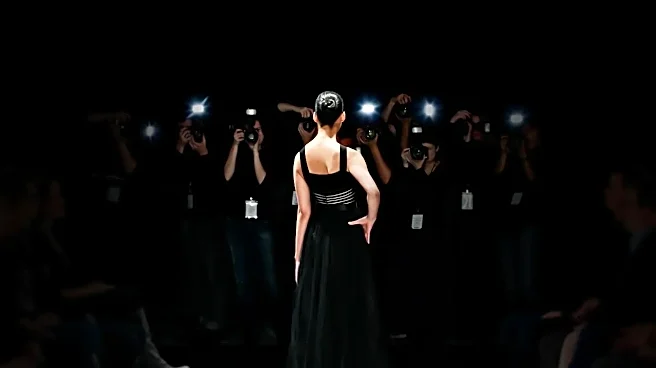
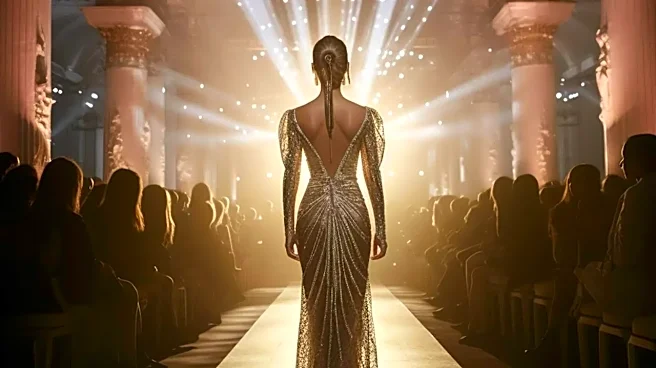
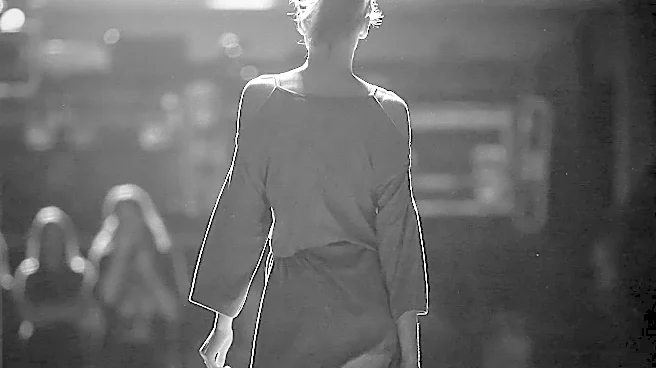
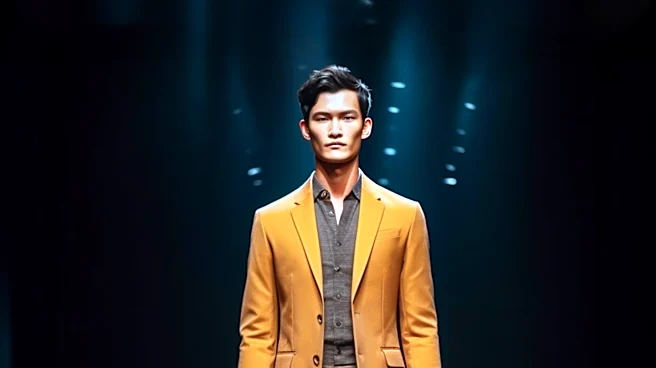
On a runway, light is much more than simple illumination; it’s a powerful tool for sculpting space, mood, and even the clothes themselves. Lighting designers use a combination of techniques to guide the audience's eye and enhance the presentation. Harsh, focused spotlights can create dramatic shadows and highlight specific details, while soft, diffused lighting can evoke a dreamy, romantic atmosphere. The color temperature of the light is also a crucial decision, as it can alter how the colors and textures of the fabrics are perceived. An expert lighting plan ensures that every garment is seen exactly as the designer intended, without harsh shadows or washed-out colors. Beyond just lighting the models, designers use backlighting to create dramatic silhouettes and moving lights to add a dynamic, exciting element to the show. This careful manipulation transforms a simple catwalk into an immersive environment designed to elicit a specific emotional response.
Pacing as a Narrative Tool
The choreography of a fashion show—the pacing of the walk, the spacing between models, and the patterns they create—is a subtle but powerful form of storytelling. A slow, deliberate procession can convey a sense of gravitas and sophistication, giving the audience time to appreciate the craftsmanship of each piece. In contrast, a rapid-fire pace with models walking quickly and closely together can generate a feeling of high energy and modern dynamism. Choreographers work to create a rhythm that builds anticipation and highlights key looks within the collection. Strategic pauses, turns, and even group formations are used to direct the audience's attention and create memorable moments. This carefully orchestrated flow ensures the show feels like a cohesive narrative rather than just a parade of clothes, turning the physical movement into an extension of the designer's creative vision.
The Total Experience
Ultimately, a successful runway show is a symphony of sensory inputs where sound, light, and movement work in perfect harmony. These elements are not chosen in isolation; they are part of a unified production designed to tell a story and sell a fantasy. The way an audience perceives a collection is profoundly shaped by this atmosphere. The term "enclothed cognition" describes how clothing can influence our psychological processes, and a runway show is a masterclass in deploying this effect. The entire experience—the suspense created by the music, the drama of the lighting, and the energy of the models' walk—is designed to provoke an emotional connection that transcends the garments themselves. When it all comes together, the show becomes more than a presentation of clothing; it becomes a memorable performance that solidifies a brand's identity and leaves a lasting impression on everyone watching.