





For over thirty years, Pixar hasn't just made movies; it's created cultural milestones. But beyond the dazzling computer animation lies a deeper reason for its impact: a consistent, evolving commitment to emotional storytelling.
The 1990s: A New Kind of Story
When 'Toy Story' arrived
in 1995, it was hailed as a technological revolution, the first fully computer-animated feature film. But the tech wasn't the 'hidden reason' for its success. The real magic was that it told a story for adults that kids could also enjoy. Rejecting the era's dominant fairy-tale musical formula, Pixar opted for a 'buddy picture' with flawed main characters. Woody and Buzz weren't princes and princesses; they were insecure, jealous, and deeply relatable. This focus on story over spectacle, using state-of-the-art technology to explore universal themes of friendship and obsolescence, set the template. It proved that animation wasn't a genre for children, but a medium for powerful storytelling.
The 2000s: The Emotional Golden Age
This was the decade Pixar became an unstoppable force, delivering a near-perfect streak of hits like 'Monsters, Inc.', 'Finding Nemo', 'The Incredibles', 'WALL-E', and 'Up'. The hidden reason deepened: the studio perfected the art of smuggling profound, adult emotions into family entertainment. 'Finding Nemo' wasn't just about a lost fish; it was a story of a father grappling with anxiety and learning to let go. 'WALL-E' presented a near-silent meditation on loneliness, consumerism, and environmental disaster, all wrapped in a charming robot love story. The opening montage of 'Up', a heartbreaking depiction of love and loss, became a cultural touchstone, proving an animated film could devastate audiences in minutes. This wasn't just defining a generation of films; it was defining a new kind of emotional literacy for mainstream blockbusters.
The Secret Sauce: The Braintrust
How did they maintain this quality? The answer lies in a core part of Pixar's creative culture: the 'Braintrust'. This group of directors and storytellers meets every few months to review films in progress, offering candid, tough feedback. The key rules are that the feedback must be honest and constructive, but the Braintrust has no authority; the film's director is free to accept or reject the notes. This process creates a safe environment for creators to be vulnerable, identify what isn't working, and elevate a story from 'suck to not-suck', as co-founder Ed Catmull famously put it. It's a system designed to protect the creative process and ensure the story is always the top priority.
The 2010s: High Concepts and Sequels
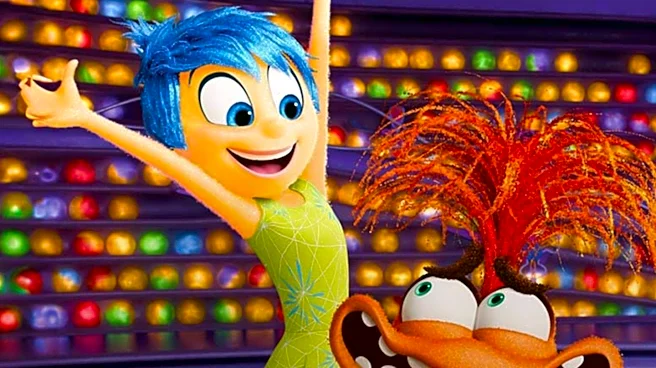
After its golden run, the 2010s saw Pixar balancing sequels with some of its most ambitious original ideas. Films like 'Inside Out' and 'Coco' took the studio's emotional mission to a new, abstract level. 'Inside Out' didn't just tell a story about feelings—it made the feelings characters, visualizing the inner workings of a child's mind as she grapples with change and the necessity of sadness. 'Coco' used stunning visuals to explore themes of family, memory, and death in a way that was culturally specific yet universally resonant. While some sequels were more successful than others, films like 'Toy Story 3' were masterclasses in concluding a beloved story, dealing with themes of abandonment, mortality, and the bittersweet pain of growing up.
The 2020s: Navigating a New Era
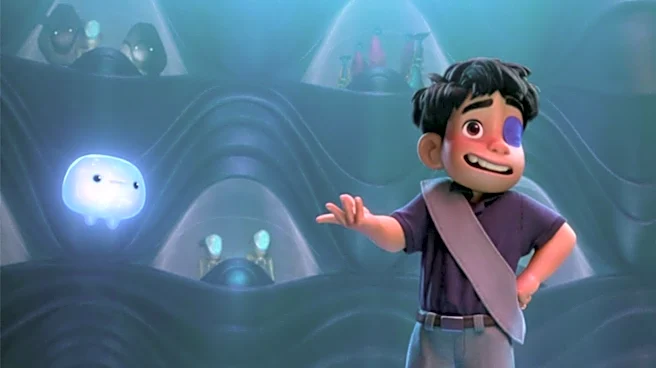
The 2020s have presented new challenges, with a pivot to streaming for films like 'Soul' and 'Turning Red' and a marketplace crowded with competitors, many of whom learned from Pixar's own playbook. The studio has continued to explore complex emotional terrain, with 'Soul' tackling existential questions about life's purpose and 'Turning Red' using a giant red panda as a metaphor for puberty and generational trauma. While navigating the pressures of the Disney brand and audience expectations, the fundamental mission remains. The struggle is to keep innovating while staying true to the core principle that has defined them for decades.