

The Science of Shared Feelings
The core reason is a psychological phenomenon called emotional contagion. Humans are wired to catch feelings from each other. When one person laughs, you’re more likely to chuckle. When someone gasps in a quiet theater during a jump scare, the collective
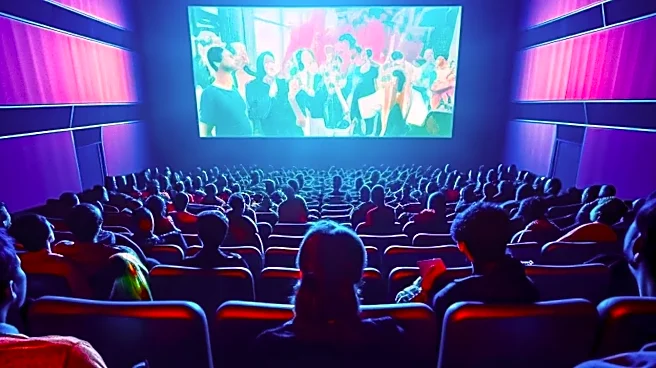
shock is palpable and far more intense than if you were alone on your couch. Your brain subconsciously picks up on the micro-expressions, sounds, and shifting postures of the people around you, synchronizing your emotional response with the group. A joke becomes funnier, a tragic moment more heart-wrenching, and a thrilling action sequence more exhilarating because you’re not just reacting to the film; you’re reacting to the room. This shared experience turns passive viewing into an active, communal event.
An Interruption-Free Temple for Film
Going to the movies is a ritual. You leave your home, silence your phone (in theory), and sit in a dark room where the sole focus is a giant screen. This dedicated environment strips away the endless distractions of modern life. There are no doorbells to answer, no pets demanding attention, and no temptation to pause the film to check an email. This focused attention allows for what researchers call “narrative transportation”—the feeling of being completely absorbed into the story's world. In a packed house, this effect is amplified. The social contract of the theater keeps you in your seat, and the group's collective focus reinforces your own, allowing for a deeper, more immersive dive into the narrative as the filmmakers intended.
Engineered for an Epic Scale
Summer blockbusters are not just movies; they are audiovisual spectacles engineered specifically for the theatrical experience. The expansive aspect ratios of IMAX screens are designed to fill your peripheral vision, while complex Dolby Atmos sound systems place audio in a three-dimensional space around you. A T-Rex’s roar or a starship’s fly-by feels more immediate and soul-shaking when delivered through dozens of high-powered, professionally calibrated speakers. These technologies lose much of their impact on a smaller home system. The sheer size and technical superiority of the presentation reinforce the “bigness” of the film, creating a sensory experience that simply cannot be replicated in a living room.
The Memory of the Event
Years later, you often remember not just the movie, but the experience of seeing it. Talking about the first time you saw a cinematic game-changer often involves a story about who you were with and the audience's reaction. The memory becomes larger than the film itself; it becomes an event. Seeing a film on opening weekend with a buzzing, reactive crowd transforms the movie from a piece of media into a cultural moment. Think of the collective cheer in Avengers: Endgame or the shared awe of Top Gun: Maverick's aerial stunts. These moments are cemented in our cultural memory precisely because they were experienced together, turning a simple trip to the movies into a lasting, shared story.