

A City Built on Community
Black Rock City isn't just a festival ground; it's a temporary metropolis where the neighborhoods are theme camps. These camps are the heart and soul of the event, providing everything from coffee and pancakes to roller discos, interactive art, and educational
workshops. Unlike general camping, joining a theme camp means becoming part of a community with a shared purpose. This might be a camp centered around a specific type of music, a wellness practice, or a massive, fire-breathing octopus art car. This shared mission transforms a patch of desert into a home with a distinct identity, giving participants an immediate sense of belonging in a city of 70,000 strangers.
The Psychology of Shared Effort
The bond to a camp often begins months, if not a full year, before the gates to the desert open. These micro-communities require year-round planning, fundraising, and logistical coordination. Members collaborate on everything from designing shade structures and kitchens to planning their “gift” to the community, which could be an elaborate bar, a performance space, or a repair shop. This shared struggle and creative problem-solving—often involving significant financial and time commitments—forges powerful social bonds. Enduring the harsh desert environment, building something from nothing, and then dismantling it together without a trace creates a profound sense of camaraderie that is difficult to replicate in the default world. It's this collective effort that turns campmates into a "playa family."
Art Cars: Mobile Neighborhoods
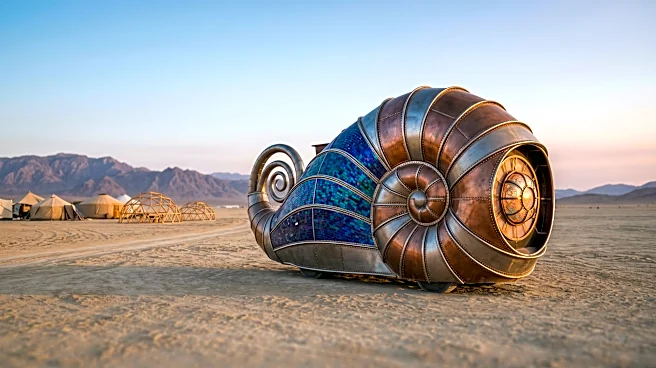
Art cars, or "mutant vehicles," are more than just transportation; they are roving, self-contained communities. From multi-story pirate ships with booming sound systems to small, whimsical creations, these vehicles are often the product of immense collective effort and creativity. Being part of an art car crew is a unique form of participation, offering a mobile base from which to explore the vast expanse of the playa. It comes with a built-in social circle and a shared identity. Riding on a specific art car becomes a statement of who you are at the event. These crews are often tight-knit, and membership can be exclusive, strengthening the sense of loyalty and pride among those who build, operate, and party on these iconic mobile installations.
Identity, Reputation, and a Place to Call Home
In a sprawling, anonymous city, a camp or art car provides a crucial anchor. It’s a physical address and a social identifier. Telling someone you’re from a well-known camp like “Rootist Temple” or with an art car like “Flux Capacitor” instantly places you within the social geography of the playa. These affiliations build reputation and facilitate connection. Over the years, returning to the same camp creates a powerful sense of tradition and homecoming. It becomes a place filled with familiar faces, inside jokes, and shared history. This reliability provides comfort and a base of emotional support, which can be invaluable during an intense and sometimes overwhelming week-long experience. The loyalty isn't just to the people, but to the predictable magic they create together.