




The Power of Place and Pageantry
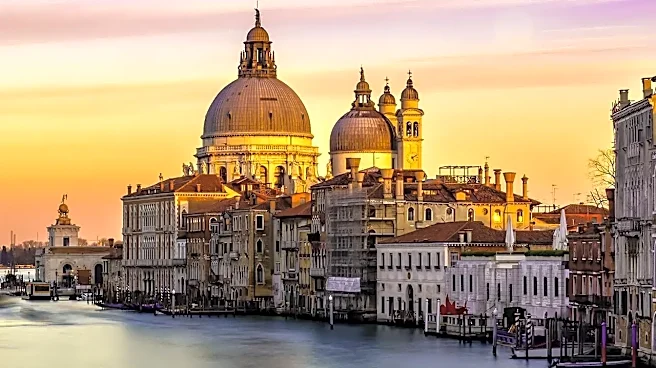
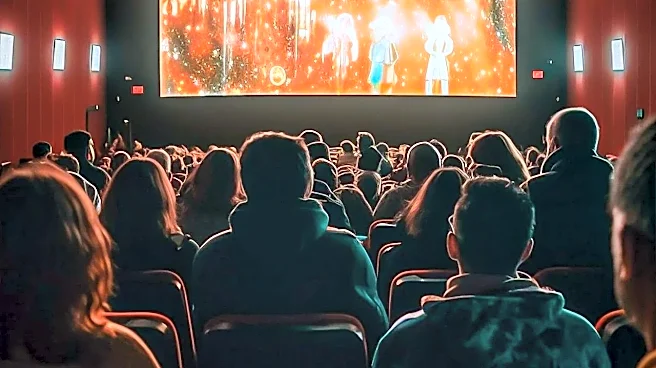
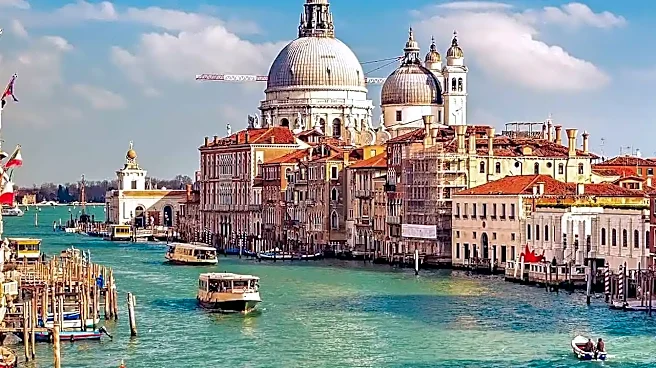
Let’s be honest: watching a movie on your laptop while scrolling through your phone is not the same as being there. The magic of Venice isn't just in the films; it’s in the physical experience. The world's oldest film festival, founded in 1932, transforms
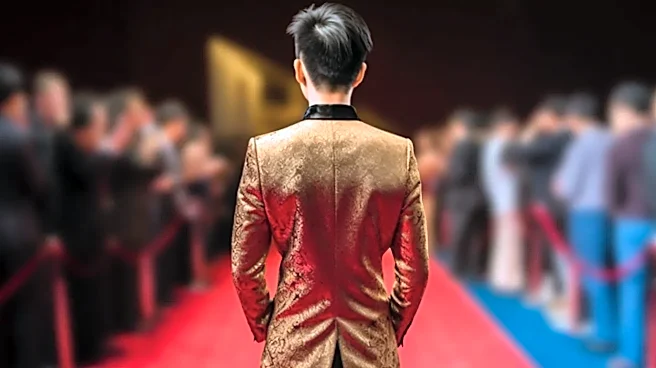
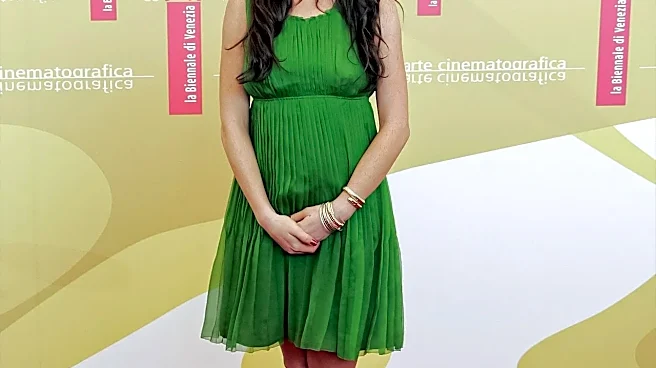
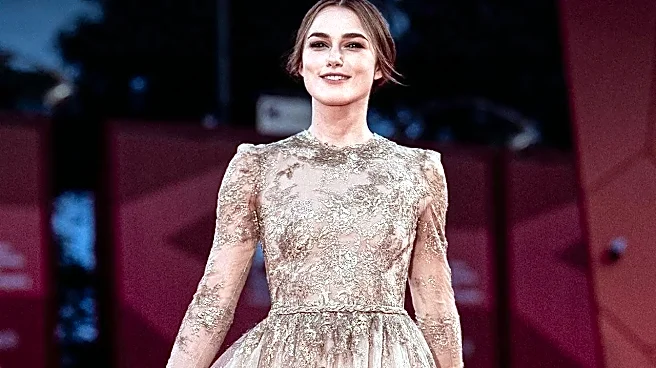
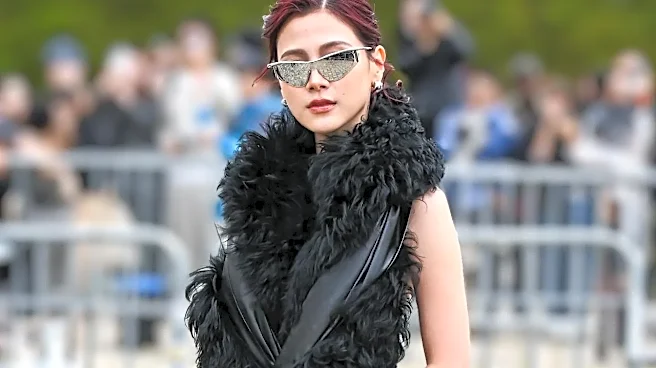
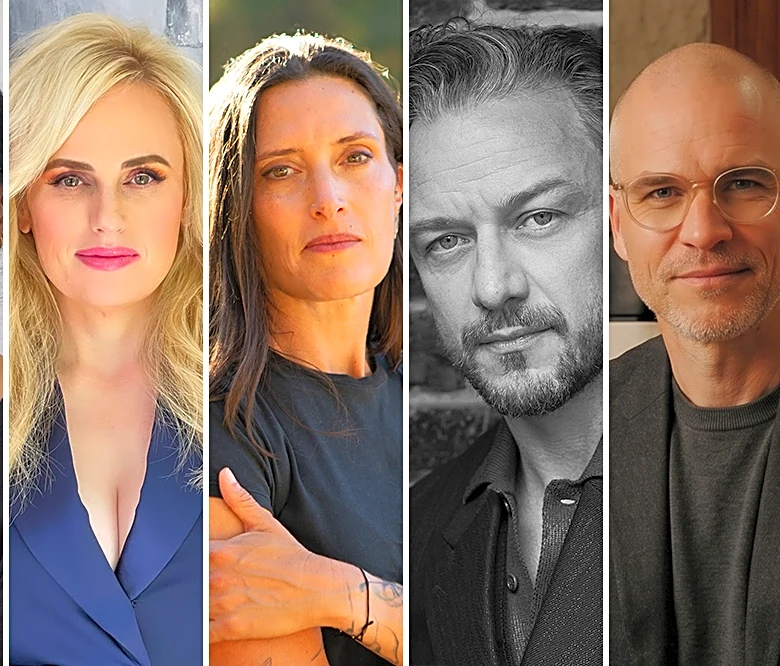
the Venetian Lido into the global epicenter of cinema. When stars like George Clooney, who is receiving a Golden Lion for Lifetime Achievement this year, arrive by water taxi, it creates a spectacle that a Netflix premiere notification simply can't replicate. The glamour of the red carpet, with jury president Maggie Gyllenhaal and stars like Claire Foy and Penelope Cruz setting the fashion agenda, generates a cultural energy that reverberates worldwide. This isn't just about watching a movie; it's about participating in a moment, a tradition that reinforces the idea that some art deserves more than a casual click.
Curation in an Age of Chaos
Streaming platforms offer infinite choice, which often leads to decision paralysis. A film festival like Venice offers the opposite: deliberate, human-led curation. Festival director Alberto Barbera and his team sift through thousands of films to select a few dozen for the main competition. This selection is a statement. It says, "Pay attention to this." This year's lineup includes new works from acclaimed directors like Danny Boyle, whose film 'Ink' is opening the festival, alongside Werner Herzog and Martin McDonagh. In a media landscape where everything is available all the time, this act of anointing a film as worthy of a premiere on the Lido gives it an immediate sense of importance. It’s the difference between a carefully prepared tasting menu and an all-you-can-eat buffet.
The Ultimate Awards Season Launchpad
While streamers are increasingly using festivals to build prestige, Venice remains a crucial launchpad for films with theatrical and awards ambitions. Its late summer slot makes it the unofficial start of the fall festival season, a critical window for generating Oscar buzz. A strong reception in Venice can completely alter a film's trajectory. In recent years, future Best Picture winners or major nominees like 'Poor Things,' 'The Shape of Water,' 'Joker,' and 'Nomadland' all began their journey on the Lido. For a film, debuting at Venice is like getting a powerful endorsement at the most pivotal moment. It’s where a small, intriguing movie can suddenly become a must-see contender, transforming it from a mere title into a major cultural talking point.
An Evolving, Not a Dying, Institution
Venice isn't ignoring the streaming revolution; it's adapting to it. The festival now includes sections for VR and immersive projects and has welcomed streamers like Netflix, which use the festival's platform to give their own films a dose of cinematic legitimacy. However, festival director Alberto Barbera noted this year that Hollywood is facing its own crisis, leading to fewer big studio tentpoles at the festival and more space for international films engaged with pressing political and social issues. This shift reinforces the festival's core purpose: to promote international cinema in all its forms, as art and entertainment, in a spirit of dialogue. By blending its historical prestige with an evolving program, Venice proves it’s not a relic but a vital, responsive part of the film ecosystem.