

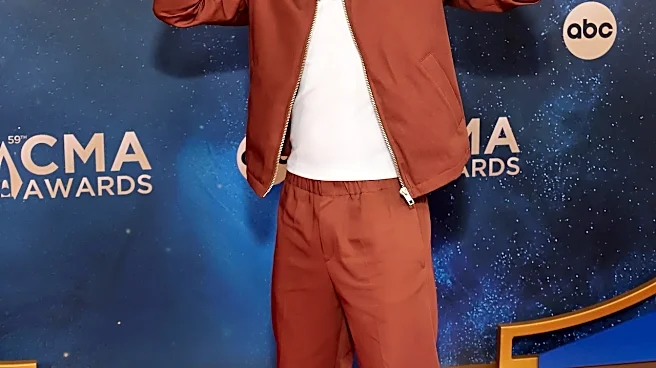
The Pant Hem: Finding Your Break Point
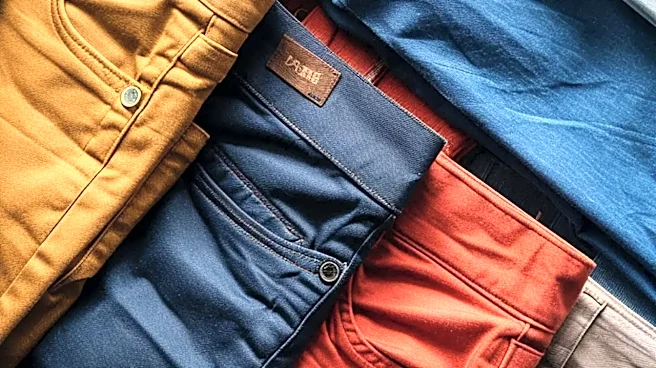
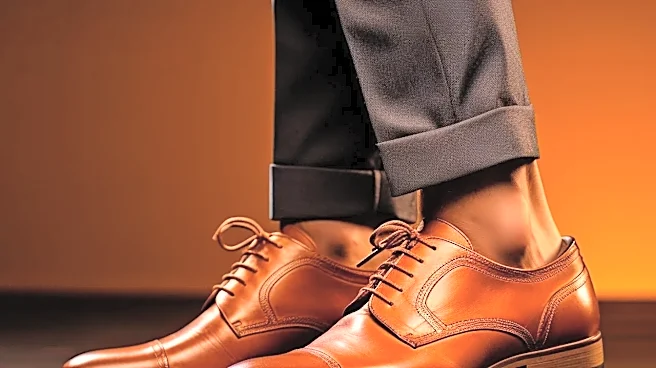
The length of your pants is the foundation of your outfit's proportions. A change of just an inch or two can mean the difference between sharp and sloppy. For straight-leg or slim-fit trousers, the ideal length is often with no 'break' or a 'slight break',
meaning the hem just grazes the top of your shoe, creating a clean, uninterrupted line. With wider-leg styles, you can go a bit longer, to about a half-inch off the floor. This prevents the fabric from dragging while creating a 'legs for days' illusion. Ankle-length pants are incredibly versatile, designed to hit at the narrowest part of your ankle, which flatters most body types and works with nearly any shoe, from loafers to heels.
The Sleeve Solution: More Than Just Coverage
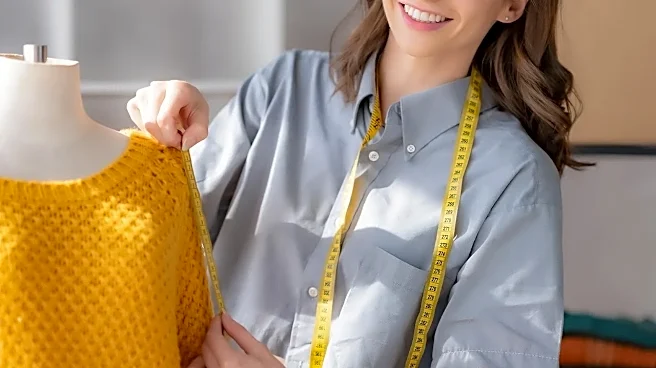
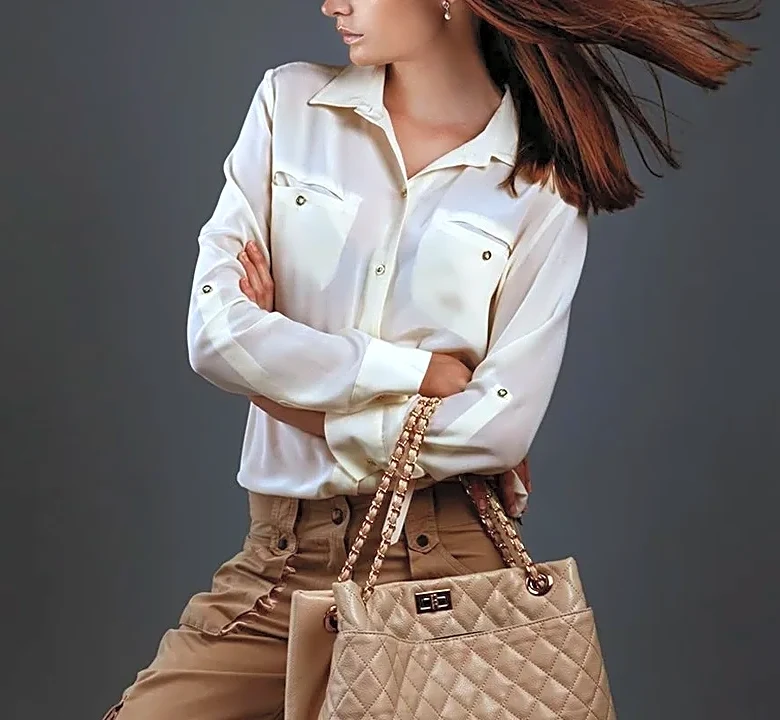
Sleeve length is an unsung hero of good fit. A sleeve that’s too long makes a whole jacket look oversized. For long-sleeved shirts and blazers, the cuff should end right around the wrist bone. This allows you to show a sliver of a watch or bracelet and keeps the proportions neat. A universally flattering option is the three-quarter sleeve, which ends just below the elbow, highlighting the slimmest part of the arm. This can create an elegant line and a sense of ease. Even with a t-shirt, sleeve length matters. A sleeve that ends around the mid-bicep is often considered the most balanced and modern look, as it helps define the upper arm without visually cutting it in half.
The Jacket and Top Equation: Playing with Layers
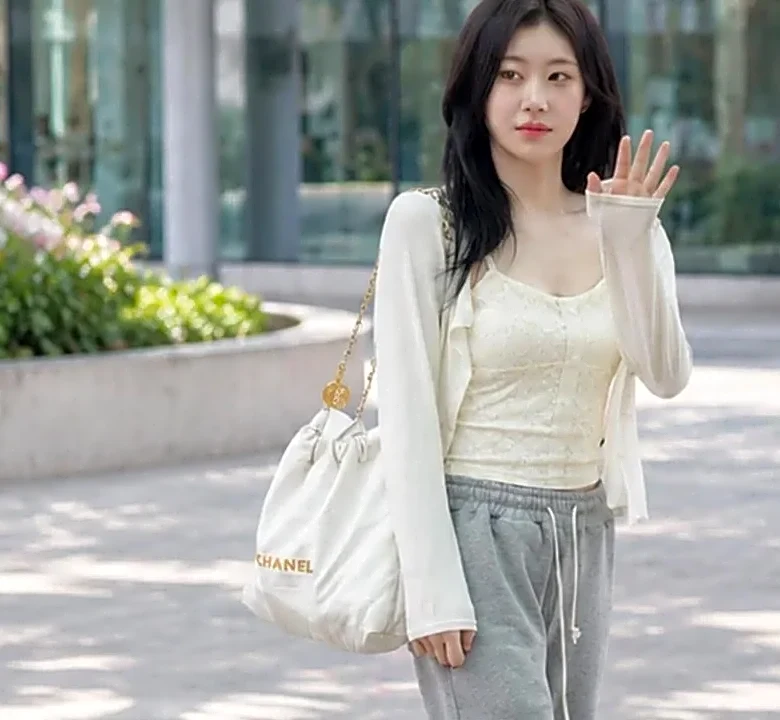
How the length of your jacket interacts with the top underneath is a masterclass in proportion. A common rule is to avoid having your top and jacket end at the same place. Cropped jackets, which often hit at the natural waist, are great for defining your silhouette. They work best when layered over a noticeably longer top that extends to the hip area. This contrast looks intentional and balanced. Conversely, a longer, oversized blazer often pairs best with a more fitted or shorter top underneath, perhaps tucked in. The goal is to create visual balance; if one layer is voluminous or long, the other should be more streamlined to avoid a bulky look.
The Hemline Edit: Skirts and Dresses
The hemline of a skirt or dress acts as a powerful horizontal line, and moving it just a couple of inches can reshape your entire look. A hem that falls at the widest part of your calf can sometimes feel awkward. Often, a more flattering midi length falls either just below the knee or lower on the calf, avoiding that midpoint. Shorter dresses that end above the knee can create a youthful, leg-lengthening effect. The key is to consider the overall silhouette. A small change in length can make a dress feel more modern, balanced, or better suited to your choice of shoes, transforming it from 'almost right' to perfect.
The Necklace Drop: An Unexpected Game Changer
It's not just fabric—the length of your accessories plays a role, too. Necklace length can completely change how an outfit's neckline is perceived. A short, 16-inch chain that sits near the collarbone works beautifully with open necklines like off-the-shoulder tops, as it frames the space cleanly. Longer 'matinee' length necklaces, around 20-24 inches, are perfect for wearing over high-necked tops like turtlenecks, as they create a vertical line that elongates the torso. The goal is to have the necklace either sit comfortably within the open space of your neckline or be long enough to lie cleanly over the fabric, rather than competing with the edge of the material.