







What Exactly Is ‘Flashback’?
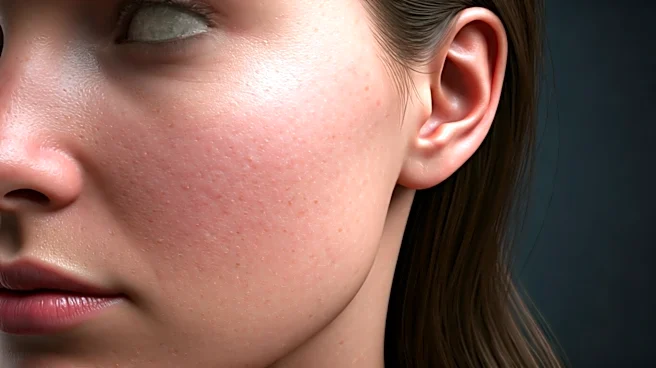
In the world of makeup and skincare, “flashback” refers to the white or grayish cast that can appear on the skin in photos taken with a direct flash. It’s a frustrating phenomenon because your skin can look perfectly blended and natural in person, under
normal lighting. The issue only reveals itself when a camera’s flash hits your face, bouncing back into the lens and creating an overexposed, chalky effect. It most commonly appears under the eyes where concealer and setting powder are concentrated, or all over the face if the culprit is in your moisturizer or foundation. For athletes on Draft Night or anyone at a wedding, prom, or red-carpet event, it can ruin photos of an otherwise perfect moment.
The Main Culprit: Your Sunscreen
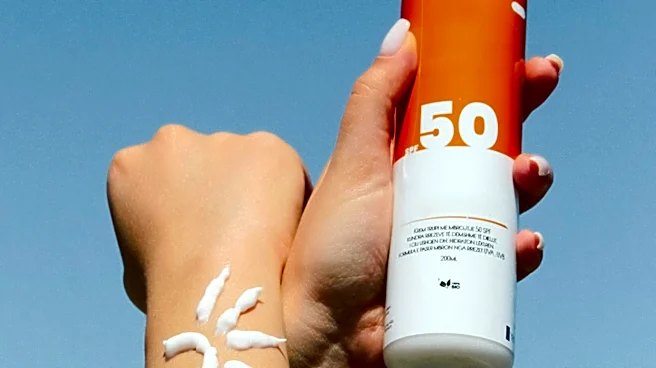
The number one cause of photo flashback is sunscreen, but not just any kind. The specific offenders are mineral (or physical) sunscreens. These formulas use active ingredients like Zinc Oxide and Titanium Dioxide to protect you from the sun. Their job is to create a physical barrier on the surface of your skin that physically blocks and reflects harmful UV rays away from you. They are highly effective at sun protection and often recommended for sensitive skin for this very reason. However, that light-reflecting property is precisely what causes problems with a camera flash. The intense, direct light from the flash is bounced straight back by these microscopic mineral particles, overwhelming the camera’s sensor and producing that signature white glow in the final image.
An Accomplice: Certain Setting Powders
While SPF is the primary suspect, it doesn’t always act alone. Certain ingredients in makeup, particularly setting powders, can also contribute to flashback. The most notorious is Silica, especially in powders marketed as “HD” or “High-Definition.” HD powders are milled to be incredibly fine, designed to diffuse light and give the skin a smooth, poreless, soft-focus finish that looks amazing on camera in controlled studio lighting. But under the harsh, direct light of a camera flash, an over-application of powders containing silica can have the same effect as a mineral sunscreen. The particles scatter the light so aggressively that they create a bright, white splotch. This is why you sometimes see celebrities on a red carpet with distinct white patches under their eyes; it’s often a case of too much HD powder meeting an unexpected flashbulb.
How to Build a Flash-Friendly Routine
Avoiding flashback for your big event is all about ingredient awareness and a little bit of planning. If you know you'll be photographed with a flash, particularly in the evening, you can adjust your routine accordingly. First, skip the mineral SPF. If your event is at night, you don’t need it anyway. Check the ingredients in your moisturizer and foundation to ensure they don't contain Zinc Oxide or Titanium Dioxide. If your event is during the day and you need sun protection, opt for a chemical sunscreen instead. Chemical sunscreens work by absorbing UV light and converting it into heat, rather than reflecting it, so they are typically invisible to a camera flash. Second, be cautious with powder. Look for powders that are labeled “no flashback” or avoid those with silica high on the ingredient list. When you do apply powder, use a light hand. You want to set your makeup, not bake it in a layer of light-reflecting particles. Talc-based or cornstarch-based powders are generally safer bets for flash photography. Finally, always perform a flash test. Once your makeup and skincare are done, take a photo of yourself with your phone’s flash on. It’s the single best way to know for sure if you’re camera-ready. Check the photo for any signs of a white cast. If you see one, you still have time to blot away excess product or make adjustments before you head out the door.