

A Tradition Forged by History and Habit
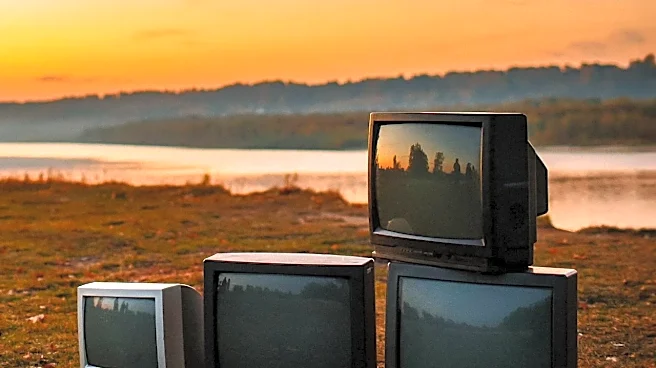
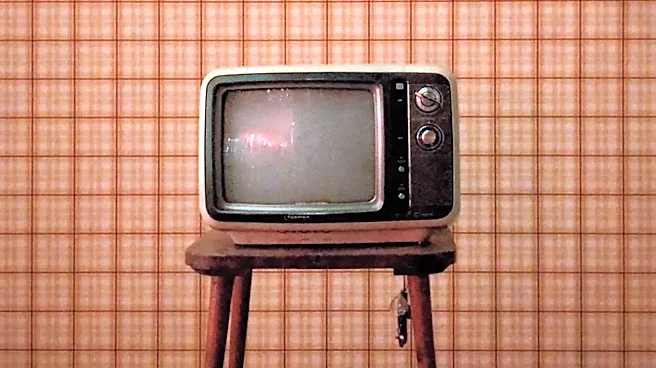
The concept of a 'fall TV season' isn't a modern invention; it’s a holdover from the earliest days of broadcast media. Television's structure was originally inherited from radio, which took summer breaks when its stars—and audiences—vacationed. This rhythm
was cemented in the post-war era as TV sets became household staples. Networks quickly learned that viewership dipped in the summer when people spent more time outdoors. Consequently, they began concentrating their biggest launches in the fall, creating a national event. This schedule also aligned perfectly with the business side of television. Advertisers, particularly automakers unveiling their new models, poured money into this peak viewing period, making the fall premiere week a lucrative, high-stakes affair that has defined the industry for decades.
The Comfort of the Couch
There's a powerful psychological pull to this tradition. Shorter days and cooler weather naturally shift our behavior toward indoor activities. This seasonal change creates a desire for comfort and routine, and settling in for a favorite show provides a reliable, low-stakes escape. It's a form of hibernation for the modern age, where the glow of the screen replaces the hearth. The weekly cadence of new episodes provides structure and something to look forward to, whether it's a family sitcom, a tense drama, or a reality competition. This shared cultural calendar fosters a sense of community, creating 'water cooler' moments—now largely happening on social media—where everyone is talking about the same shocking plot twist or hilarious character.
Streaming Gets in on the Act
For a while, it seemed like the rise of streaming would kill the fall TV season. With platforms like Netflix, Prime Video, and Disney+ dropping entire seasons at once, any day could be a premiere day. Yet, an interesting thing has happened: even the streamers are now embracing the power of the fall launch. While they still release content year-round, many of their biggest and most anticipated titles are strategically slated for autumn. This October 2026 is a prime example, with major releases like Prime Video's new take on 'Carrie' and Disney+'s Marvel series 'VisionQuest' creating event-level buzz. Peacock is reviving a horror classic with the 'Friday the 13th' prequel 'Crystal Lake', and Netflix is bringing back its hit reality show 'Love Is Blind'. This strategy acknowledges a simple truth: old habits die hard. By concentrating major premieres, streamers can capture the cultural conversation in a way a scattered release schedule cannot.
October's New and Returning Rituals
This year, the tradition is as strong as ever, blending legacy network programming with high-profile streaming debuts. CBS is expanding its popular procedural universe with 'NCIS: New York' and launching the supernatural comedy 'Eternally Yours' from the creators of 'Ghosts'. Meanwhile, NBC's powerhouse 'Chicago' franchise returns, and a new season of 'American Horror Story' on FX promises Halloween-timed frights. These premieres are more than just new content; they are the revival of weekly rituals. They are the shows you schedule your Thursday nights around, the series you dissect with friends, and the comfort viewing that signals the holidays are just around the corner. The formats may have changed from broadcast to binge-watching, but the fundamental appeal of a shared story remains the same.