






A Prime-Time Gamble in Living Color
Today, animation is a riot of color, but in 1962, it was a different story. When The Jetsons premiered, it was the very first program to be broadcast in color on the ABC network. While its prehistoric counterpart, The Flintstones, was produced in color, it was initially
aired in black-and-white for its first two seasons. The Jetsons, however, was designed for a color world from day one. This was a huge creative and financial bet. At the time, less than three percent of American homes owned a color television set, and only a handful of ABC affiliates could even transmit the signal. For most viewers, Orbit City was initially as grayscale as Bedrock. Yet, for the creators at Hanna-Barbera, the decision was a declaration of intent. The show’s entire visual identity was built around a bright, optimistic, and vibrant palette that black-and-white simply couldn't capture, setting a new standard for what animated worlds could look like on the small screen.
The Googie Aesthetic Takes Flight
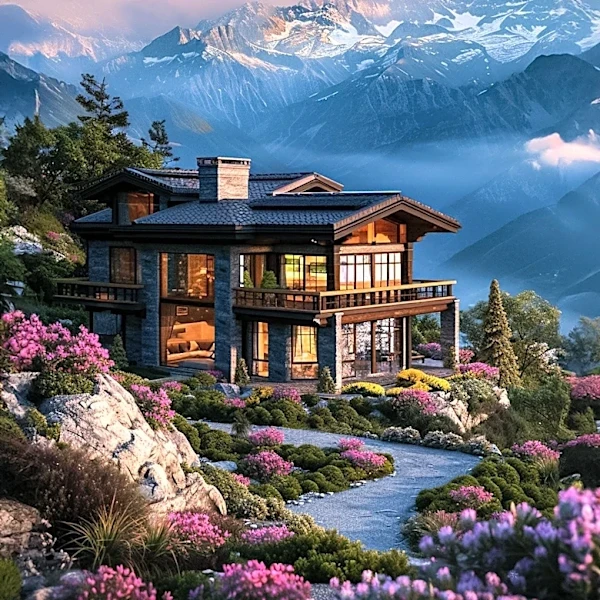
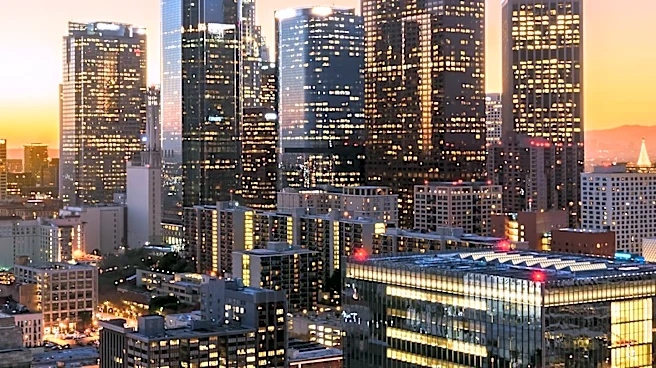
The look of The Jetsons wasn't pulled from thin air; it was a direct translation of a real-world architectural style called "Googie." Popular in Southern California in the 1950s and 60s, Googie was the architecture of the Space Age—all upswept roofs, boomerang shapes, starbursts, and dramatic glass walls. It was the style of coffee shops, motels, and car washes trying to capture the forward-looking optimism of the era. The Hanna-Barbera animators, surrounded by this style in Los Angeles, adapted it wholesale for Orbit City. The Skypad Apartments, where the Jetsons live, echo the design of real buildings like John Lautner's Chemosphere house. This wasn't just background art; it was immersive world-building. By grounding its futuristic vision in a tangible, contemporary design movement, the show created a world that felt both fantastical and strangely familiar, giving animation a cohesive visual language that went far beyond simple character designs.
World-Building as the Main Character
Before The Jetsons, most TV animation focused squarely on character-driven gags. The setting was often secondary, a simple backdrop for the action. But in The Jetsons, the world of 2062 was arguably the main character. The show dedicated as much imagination to Orbit City as it did to George's work troubles or Judy's social life. The intricate system of pneumatic tubes, the automated morning routines, and the sky-high buildings on stilts weren't just one-off jokes; they were foundational elements of a fully realized society. This focus on environment as a core part of the narrative was a significant step forward. It demonstrated that an animated series could be about more than just funny animals or quirky families; it could be about exploring a concept. This approach laid the groundwork for countless high-concept animated shows to come, from the satirical future of Futurama to the dimension-hopping chaos of Rick and Morty, where the "where" is just as important as the "who."
The Animated Sitcom Formula, Perfected
While The Flintstones broke ground as a primetime animated sitcom, The Jetsons refined the formula for a new, aspirational age. It was a direct counterpart to its Stone Age predecessor, swapping dinosaurs for robots but keeping the core structure of a nuclear family sitcom intact. George was the bumbling but lovable dad, Jane the capable wife, and their kids navigated teenage and childhood antics. This familiar format, dropped into an unfamiliar, high-tech world, proved incredibly resilient. The show's original run lasted only one season, but it found enduring popularity in Saturday morning reruns for decades, eventually leading to a revival in the 1980s. This success cemented the idea that the classic American sitcom didn't have to be live-action. It proved animation could tackle family dynamics and workplace comedy within a speculative framework, creating a blueprint that would be endlessly revisited and reinvented.