






Myth: Underdogs Win Because They 'Want It More'
This is the classic Hollywood narrative. We picture the underdog fueled by pure grit, raw desire, and a montage-worthy work ethic that the complacent favorite simply can't match. Their victory is framed as a triumph of heart over talent, of will over resources. We tell ourselves that the team with less on paper can compensate for it with sheer determination, proving that passion is the ultimate equalizer in any contest. It's a romantic and deeply appealing idea, suggesting that effort alone can bend the arc of competition toward justice.
Fact: Successful Underdogs Play a Different Game
While motivation is crucial, successful underdogs rarely win by playing the favorite’s game better. They win by changing the rules. They innovate, take calculated risks, and use unconventional strategies that
the heavily favored opponent isn't prepared for. Think of a smaller company that can’t afford a Super Bowl ad but uses viral marketing to outmaneuver a corporate giant. In sports, it might be a basketball team slowing the pace against a faster opponent or a football team running an unexpected trick play. It’s not just about wanting it more; it’s about being smarter, more agile, and exploiting the rigid, predictable patterns of the powerful.
Myth: We Always Root for the Underdog
It feels like a universal human truth: confronted with a David and a Goliath, our sympathies automatically go to David. We see ourselves in their struggle, identifying with the fight against long odds. The story of the plucky upstart is woven into the American identity, from revolutionary history to Silicon Valley startups. This belief suggests our allegiance is a simple, almost reflexive choice for the team or person with less power and a steeper hill to climb.
Fact: Our Allegiance Is Complicated and Conditional
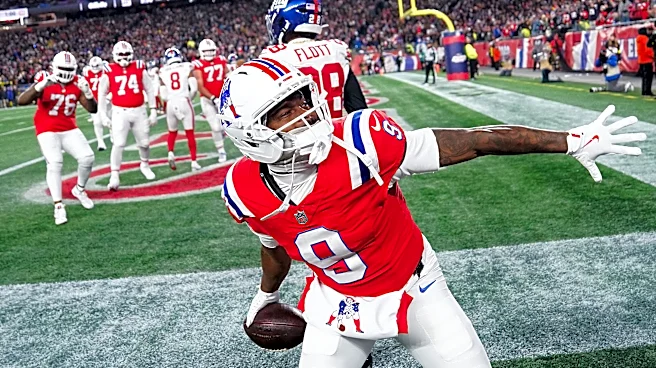
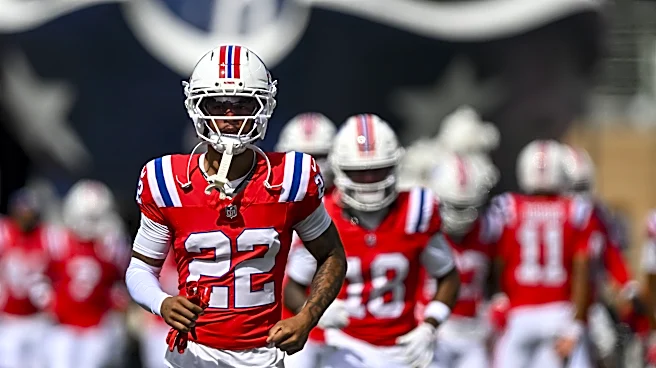
Psychological studies show our love for the underdog is far from universal. We are most likely to root for an underdog when they face a dominant, long-reigning champion—think of anyone playing the New England Patriots during the Tom Brady era. Our support often stems from a desire for fairness and a bit of schadenfreude (pleasure in the misfortune of others). However, we are less likely to support an underdog if they seem incompetent rather than merely outmatched. Furthermore, if our own team is the favorite, our loyalty rarely wavers. We love the *idea* of the underdog, but our actual rooting interests depend heavily on context, personal identity, and how much we dislike the Goliath.
Myth: Underdog Victories Are Random Flukes
When an underdog wins, it's often dismissed as a one-in-a-million shot, a lucky break, or a day when the favorite just didn't show up. We chalk it up to the unpredictable nature of sports—"that's why they play the game." This view frames upsets as statistical anomalies, random deviations from the expected order that don't offer any real lessons. They are exciting precisely because they are rare and unexplainable, like lightning striking.
Fact: Favorites Often Create Their Own Weaknesses
Many upsets aren't just about the underdog playing perfectly; they're also about the favorite crumbling under pressure. Being the top dog comes with the immense weight of expectation, intense media scrutiny, and the burden of having everything to lose. This can lead to conservative, risk-averse strategies and a paralyzing fear of making a mistake. Malcolm Gladwell calls this the "Goliath's Curse." The underdog, by contrast, plays with house money. They are free, loose, and able to take the risks the favorite can't. So while luck is always a factor, the upset is often a predictable outcome of the psychological trap that comes with being on top.