








Meet Athena: More Than a War Goddess
First, let's get one thing straight: Athena isn't just a goddess of war. While she's a formidable warrior, she is fundamentally the goddess of wisdom, strategic warfare, and skilled craft. Think of her as the brains of the Olympian operation, a divine
counterpart to the brutish, violent war god Ares. Born fully formed and armored from the head of her father, Zeus, Athena embodies intellect, reason, and tactical brilliance. She is the patron of heroes, but not just any muscle-bound brawlers. She favors those who use their minds to win the day, which brings us directly to her favorite mortal.
A Match Made on Mount Olympus
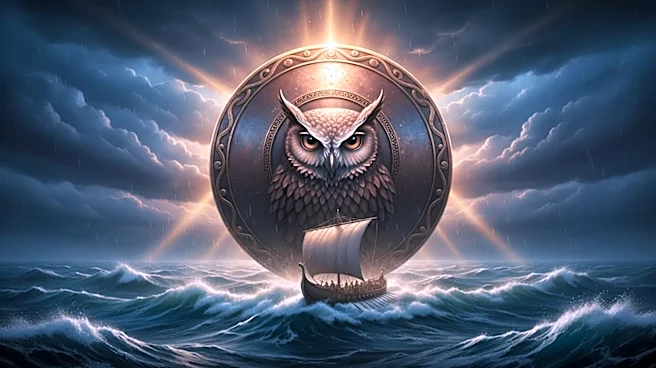
The core reason Athena is so dedicated to Odysseus is simple: she sees herself in him. Of all the Greek heroes, Odysseus is the one most defined by his mind. His famous epithet is polymetis, meaning a person of "many turns" or, more simply, cunning and guile. Both goddess and mortal are celebrated for their cleverness, their silver tongues, and their ability to out-think their opponents. When Athena looks at Odysseus, she sees a mortal who embodies the very virtues she champions: prudence, strategic thinking, and a talent for deception when necessary. Their connection is a meeting of the minds, a bond of mutual admiration between the divine master of strategy and her most brilliant human student. She even tells him as much in The Odyssey, acknowledging that they both excel at tricks and tales.
The Ultimate Divine Interventionist
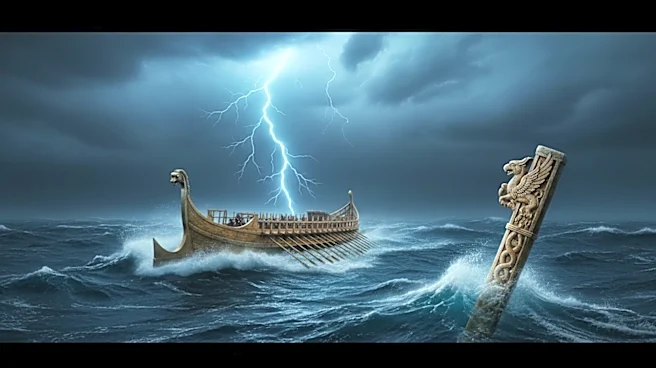
Athena’s help isn't just a vague blessing from afar; she gets her hands dirty. Her interventions are constant and crucial to Odysseus's survival. Early in The Odyssey, with Odysseus trapped on Calypso's island, it is Athena who personally petitions Zeus to finally allow the hero to return home. When the sea god Poseidon, Odysseus’s divine nemesis, shipwrecks him, Athena calms the waves and guides him to the shore of a friendly kingdom. Once he finally reaches his home island of Ithaca, her help becomes even more direct. She famously disguises him as an old beggar so he can infiltrate his own palace, assess the situation with the arrogant suitors who have taken over, and plot his revenge. During the final, bloody battle against these suitors, she deflects arrows and even joins the fight herself, ensuring victory for Odysseus and his son, Telemachus.
A Mentor, Not a Get-Out-of-Jail-Free Card
Despite her power, Athena doesn't solve all of Odysseus's problems for him. She acts more like a divine mentor or a coach. While Odysseus is away, she takes the form of an old family friend, Mentor, to guide his son, Telemachus, helping him grow from a boy into a leader capable of standing with his father. For Odysseus, she provides guidance, courage, and the occasional miraculous boost, but she expects him to use his own skills to do the heavy lifting. She enables his plans rather than just handing him a victory. This dynamic makes their relationship far more compelling. She helps Odysseus not because he is a helpless mortal, but because he is resourceful, resilient, and worthy of her championship. Her goal is to help him become the best version of himself and reclaim his rightful place, proving that wisdom and cunning can triumph over brute force and terrible odds.