



The Cover-Up Became the Main Event
For years, the beach cover-up was an afterthought—a terry cloth wrap or a simple sarong to get you from the sand to the snack bar. Rihanna rejected this utility. In her world, the cover-up wasn't a concession to modesty; it was a second, equally important
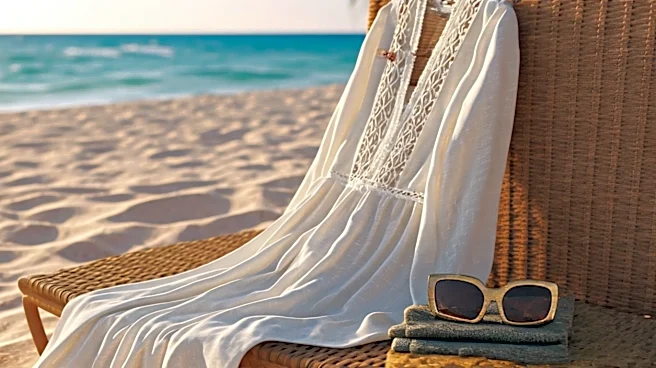
outfit. She treated sheer maxi dresses, crocheted gowns, and even unbuttoned men's shirts as integral parts of the look. On a yacht in Italy, she might throw a Jean Paul Gaultier mesh dress over a bikini, making the swimwear a tantalizing base layer rather than the sole focus. Miami Swim Week designers absorbed this lesson completely. Now, runways are filled with elaborate, floor-sweeping robes, embellished caftans, and transparent knit dresses designed to be worn over bikinis, transforming a simple swim look into a full-day fashion statement.
Accessories Were No Longer Optional
Who wears stilettos on a boat? Rihanna does. Who layers on gold body chains, door-knocker earrings, and a dozen bangles just to lounge by the water? Rihanna. She single-handedly dismantled the minimalist beach aesthetic. Her approach was more-is-more, proving that accessories weren't just for city life. This philosophy has become standard practice at Swim Week, where the styling is just as important as the suits themselves. Models walk the runway in strappy heels, chunky jewelry, and statement sunglasses. The message is clear: a swimsuit is just a piece of fabric until it's styled. Rihanna taught the industry that the context—the jewelry, the shoes, the bag—is what creates the fantasy, and brands have been chasing that high-impact, accessorized look ever since.
Blurring the Line Between Swim and Ready-to-Wear
Perhaps Rihanna's most significant contribution was treating swimwear as part of a high-fashion ecosystem. She would pair a simple triangle bikini top with vintage Chanel tweed shorts or a Dior skirt, erasing the imaginary barrier between beachwear and high-end ready-to-wear. This high-low, category-defying mix is now a dominant trend. Swim Week is no longer just about bikinis and one-pieces. Brands showcase swimwear alongside denim, structured blazers, and evening-appropriate skirts. The modern swim collection is expected to offer a complete wardrobe for a resort lifestyle, where a bikini top can seamlessly transition from the pool to a dinner reservation. This idea—that your swim top can double as a crop top—was something Rihanna was doing years before it became a mainstream commercial strategy.
Confidence Became the Ultimate Aesthetic
Beyond any single item of clothing, Rihanna’s greatest influence is her attitude. She wears what she wants, how she wants, with an unapologetic confidence that radiates from every photograph. She showcased her body—including her pregnant form—in bold, revealing swimwear without a shred of self-consciousness. This energy is what designers now strive to bottle and sell. The casting at Swim Week has become more diverse, and the poses are more assertive. The prevailing mood is one of self-possession and power. It’s not about having one specific “beach body,” but about having the confidence to own whatever body you’re in. Rihanna didn’t just model clothes; she modeled a state of mind. Her vacation photos were a testament to feeling good in your own skin, and that powerful, aspirational feeling is the true holy grail for any lifestyle brand.