



The Endless Content Buffet
The sheer volume of television is the most obvious part of the problem. This fall isn't just about a few big shows on four networks; it's about an avalanche of content across Netflix, Max, Disney+, Prime Video, Apple TV+, Peacock, Hulu, and more. Legacy
networks like CBS and NBC still have their packed fall schedules with new seasons of reliable hits like "NCIS" and the "Chicago" franchise. But now they compete with a torrent of streaming exclusives, from prestige dramas like Prime Video's "Blade Runner 2099" to buzzy new series on Apple TV+ and Netflix. The golden age of television has turned into a glut. There is simply not enough time to watch everything, and the awareness of this endless catalog creates a low-grade anxiety that you're always missing something better. It’s a classic case of what psychologist Barry Schwartz termed the "paradox of choice": more options lead to increased anxiety and dissatisfaction, not happiness.
The Lost Watercooler Moment
Not long ago, a new fall season meant a shared cultural experience. Tens of millions of people watched the same show at the same time, then discussed it the next day at work or school. That synchronized viewing created natural filters; you watched what your friends were watching. Today, that watercooler has shattered. Your favorite drama might be a niche hit on a service your coworkers don't even have. This fragmentation makes it harder to get trusted, organic recommendations. Instead of a handful of shows dominating the conversation, hundreds of shows vie for micro-communities of fans online. The lack of a central, unifying cultural conversation makes every choice feel more isolated and puts the burden of discovery entirely on the individual viewer. The traditional TV model, with its rigid scheduling, created a sense of event television that streaming has struggled to replicate.
When Algorithms Don't Help
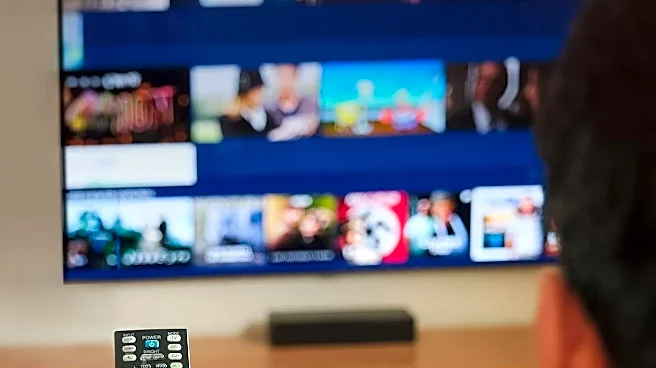
In theory, recommendation algorithms should solve this problem. They analyze your viewing habits to serve up a perfectly curated list of what to watch next. But these systems can also create frustrating feedback loops. They show you more of what you’ve already seen, walling you off from new genres you might love. This can lead to a sense of stagnation, where every service seems to be pushing the same type of show. Furthermore, the algorithmic push can feel impersonal and untrustworthy. Do you really like crime dramas, or has Netflix just decided you’re a crime drama person? This doubt can lead to what’s known as choice paralysis, where the act of choosing becomes so overwhelming that you revert to re-watching a familiar favorite instead of committing to something new. One survey noted that nearly a third of Americans spend more than 30 minutes just deciding what to watch.
The Anxiety of 'Good Taste'
In the age of social media, what we watch has become a small part of our public identity. There’s pressure to keep up with the “important” shows—the award winners, the critical darlings, the series driving the cultural discourse. This creates a fear of missing out (FOMO) that turns leisure time into homework. Picking a show isn't just about what you might enjoy; it’s about picking the “right” thing that will allow you to participate in online conversations. This cognitive load is a key factor in streaming fatigue. Viewers are increasingly frustrated by the number of subscriptions needed to see everything they want to watch. Many feel the quality of content is declining even as prices rise, and they just want streaming to feel simple again. This combination of financial pressure and cultural expectation makes it harder than ever to just relax and put on a show.