


The Myth: Spectacle Equals Cinematic
The common wisdom goes something like this: for a sci-fi or fantasy series to compete, it must dazzle. We’ve been trained by massive movie franchises and shows with per-episode budgets rivaling feature films to equate “cinematic” with spectacle. It’s
the CGI dragon soaring over a capital city, the sprawling alien landscape rendered in photorealistic detail, or the massive space battle with a thousand points of light. This thinking suggests that the primary tool for building a believable, immersive world is a powerful graphics card and a team of overworked VFX artists. The bigger the budget, the more grand the vision, and the more cinematic the experience. It’s a compelling idea, but it mistakes the wrapping paper for the gift.
The Reality: Cinematography and Design Are the True Architects
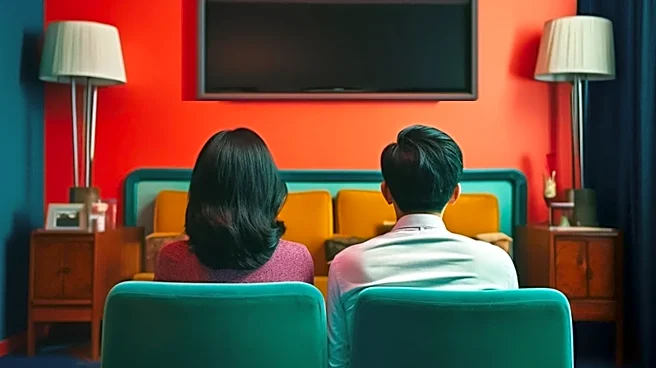
A show’s cinematic quality is born not from what is rendered, but from what is framed. Shows like Apple TV+'s Severance prove this point brilliantly. The series, a psychological thriller set in a mysterious corporate world, derives its unsettling, high-concept feel from its visual language, not from heavy CGI. Production designer Jeremy Hindle and the show's directors use stark, retro-futurist sets, unsettling symmetry, and jarringly wide hallways to create a sense of psychological dread. The camera work is deliberate and controlled, using composition and lighting to make a simple office feel both mundane and profoundly alien. This is what “cinematic” truly means: every shot is telling a story, creating a mood, and reinforcing a theme. It’s a quality of artistry, not expenditure.
Andor and the Power of 'Grounded Reality'
Look no further than Andor on Disney+. In a franchise often defined by lightsabers and digital aliens, showrunner Tony Gilroy made a radical choice: prioritize reality. Instead of relying on the virtual sets common in other Star Wars productions, the team built massive, tangible sets and filmed on real-world locations. This commitment to the practical makes the world feel gritty, lived-in, and authentic. When a character walks through a city, they are on a real street. When they flip a switch, it’s a physical object with weight. Even when visual effects are used, they are integrated with practical elements, like a physical TIE fighter model manipulated by a crane to give it a believable sense of mass and motion. This grounds the fantastic elements, making them feel more consequential and the stakes more real.
Sound and Silence: The Unseen World-Builders
What we hear—and what we don’t—is often more powerful than what we see. A cinematic experience is an immersive one, and sound is the fastest shortcut to our subconscious. The sound design on Andor was guided by a “less is more” ethos; if a sound didn’t contribute to the story, it was removed. This makes every footstep, every squeaky door, and every hum of machinery feel intentional. Similarly, the effectiveness of horror series like The Haunting of Hill House comes from its precise and often restrained use of sound. The show builds an oppressive, cold atmosphere with ambient tones and uses silence to draw the audience in, making the eventual scare more impactful because it has space to land. It’s not the CGI ghost that makes you uncomfortable; it's the deafening silence in a house that you know isn’t empty.
Less Is More: The Horror Principle
Horror has always understood that what you don't see is scarier than what you do. The genre is a masterclass in using limitations to its advantage. While some modern horror relies on digital creatures, the most effective scares are often practical or psychological. The unease in The Haunting of Hill House stems from its masterful use of atmosphere and clever in-camera tricks, not jump scares from poorly rendered ghouls. The most terrifying moments are often the quietest ones, where the camera lingers, forcing the audience to scan the frame for a threat they can feel but not yet see. This principle—that imagination is more powerful than illustration—is the core of cinematic tension. It proves that a show doesn't need to show you a monster to convince you it's there.