




Your Skin on Overdrive
The first part of the problem begins with your skin’s biological response to the weather. Humidity is, simply put, a high concentration of water vapor in the air. When the air is saturated with moisture, it creates two distinct effects on your skin. First,
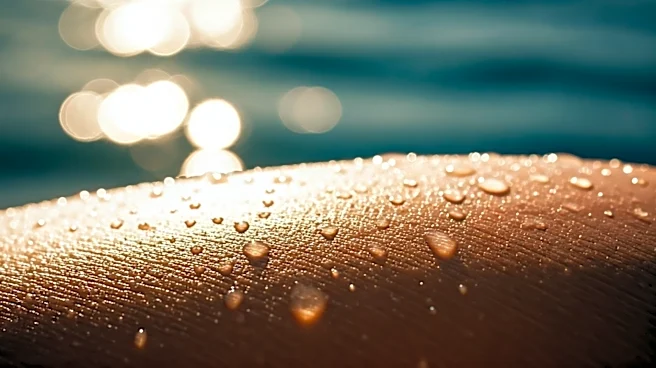
your sweat doesn't evaporate as efficiently. Normally, sweat cools you down by evaporating off your skin's surface. In high humidity, the air is already full of water, so that sweat just sits there, creating a layer of moisture on your face. Second, and more importantly for your makeup, your skin's oil-producing glands, the sebaceous glands, go into high gear. Studies show that sebum production rates increase in warmer, more humid climates. Your skin produces this oily substance to keep itself lubricated, but the combination of heat and humidity sends a signal to produce even more. So now you have two substances on your face that aren't normally there in such large quantities: a film of sweat (water) and a slick of sebum (oil).
The Fragile Chemistry of Foundation
Now, let’s talk about your foundation. Most liquid and cream foundations are emulsions, which is a fancy term for a mixture of two things that don't naturally want to mix, like oil and water. To get them to coexist peacefully in a bottle, cosmetic chemists use ingredients called emulsifiers. Think of it like making a vinaigrette: you can shake oil and vinegar together, but they will eventually separate unless you add an emulsifier like mustard to hold them together. Foundations are either oil-in-water emulsions (tiny oil droplets suspended in water) or water-in-oil emulsions (tiny water droplets suspended in oil). Silicone-based formulas add another layer, using silicones to provide slip and create a smooth, long-wearing film. The stability of this emulsion is key to your makeup looking flawless. As soon as that balance is disturbed, the formula starts to break down, or 'separate,' on your face.
The Perfect Storm for a Meltdown
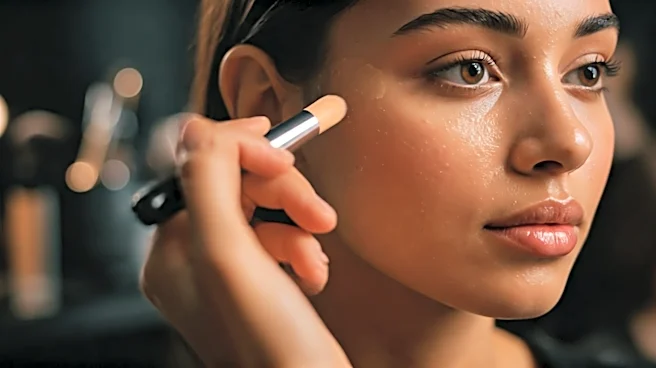
This is where the magic—or, in this case, the disaster—happens. The excess sweat (water) and sebum (oil) your skin is producing become unwelcome ingredients in your foundation's carefully balanced formula. If you're wearing an oil-based or silicone-heavy foundation, the beads of sweat on your skin will start to repel the makeup, causing it to look patchy and streaky. It’s the classic 'oil and water don't mix' scenario playing out on your face. At the same time, the extra sebum your skin is pumping out begins to act as a solvent. Oil dissolves oil. That slick of sebum will start to break down the oils and waxes in your foundation, causing it to literally dissolve and slide away. The humidity in the air itself adds insult to injury by preventing the makeup from 'setting' or drying down completely, keeping it in a perpetually moveable state. The result is a total structural failure: pigments no longer stay evenly suspended, and the entire layer of makeup starts to migrate, crease, and disappear.
Humidity-Proofing Your Base
Understanding the science behind the meltdown is the key to preventing it. The goal is to create a barrier between your reactive skin and your makeup, and to choose formulas built to withstand the assault. Start with a mattifying or oil-control primer. These often contain ingredients like silica that absorb excess sebum before it can wreak havoc. Next, opt for a foundation labeled 'long-wear,' 'water-resistant,' or 'transfer-proof.' These are often formulated with special film-forming polymers and coated pigments that create a flexible, breathable mesh over the skin, locking the makeup in place and providing a barrier against sweat and oil. After applying your foundation, set it with a translucent powder. Powder’s primary job is to absorb moisture and oil, providing an extra layer of defense. Finally, a few spritzes of a good setting spray can work wonders. The best ones act like a gentle hairspray for your face, creating a final seal that makes your base makeup significantly more resilient against the humid onslaught.