
The Debut: A Declaration of Intent
When Maria Grazia Chiuri became the first-ever female artistic director of Dior in 2016, the fashion world held its breath. Her debut Spring/Summer 2017 collection was less a cohesive wardrobe and more a collection of bold statements. It famously opened
with a fencing-inspired, all-white look, signaling both a fight and a fresh start. The collection mixed these austere, sporty elements with romantic tulle skirts and, most notably, the slogan T-shirt that read “We Should All Be Feminists,” inspired by writer Chimamanda Ngozi Adichie. It was a mix of hard and soft, political and pretty. Chiuri also introduced the J'adior slingback pumps, an instant commercial hit. The critics were divided. Was this the new Dior? It was certainly a radical departure from her romantic, history-drenched work at Valentino, and a world away from the Dior of her predecessors.
An Era of Exploration
The collections that immediately followed felt like a public search for a definitive identity. Chiuri explored a wide range of themes, almost as if trying on different hats to see which one fit the storied house. Her first couture show was a surrealist, fairytale-inspired maze of gowns embroidered with tarot symbols, nodding to Christian Dior's own superstitions. Another collection drew inspiration from the daredevil female rodeo riders of Mexico, the escaramuzas, celebrating their strength and traditional dress. She collaborated with a diverse range of female artists and choreographers for her shows, turning the runway into a platform for dialogue. While creatively fertile, this period lacked the singular, recognizable aesthetic that now defines her tenure. It was a time of experimentation, of throwing different ideas at the wall to see what would stick for the modern, global Dior woman.
Finding the Formula: The Modern Dior
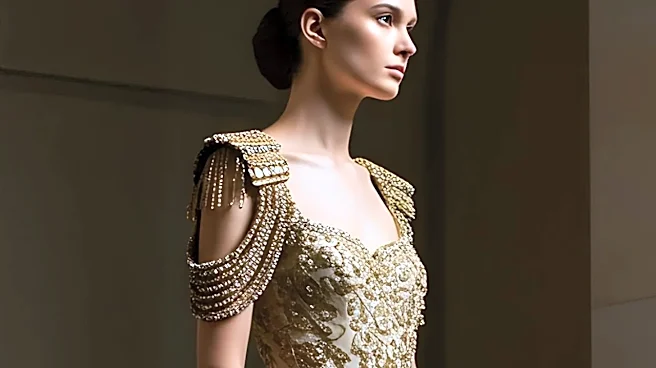
Sometime around 2018, the pieces began to click into place. The experimental detours coalesced into a clear, powerful, and commercially potent vision. This is the Dior we recognize today. The aesthetic is built on several key pillars: a neutral, wearable color palette; an emphasis on global craftsmanship, particularly intricate embroidery; and the revival and reinterpretation of house classics like the Saddle Bag and Book Tote. The Greco-Roman draping seen in her couture shows became a signature, creating gowns that were both powerful and fluid. She perfected a high-low mix, pairing exquisitely crafted skirts with simple knits or T-shirts. This new look was less about runway fantasy and more about a practical, elegant wardrobe for a real woman’s life. It was a strategic consolidation, moving from broad statements to a focused, desirable product line.
The 'Why': Strategy, Feminism, and Finding Her Voice
So, why the dramatic shift? The evolution was driven by a blend of strategy and personal philosophy. First, Dior is a commercial megabrand that had reportedly tripled revenues under her tenure. Chiuri understood that modern luxury is less about difficult, high-concept fashion and more about creating a desirable, repeatable, and accessible brand world. Her clothes are made to be worn, not just admired. Second is her consistent, if sometimes debated, feminist lens. As the first woman to lead the house, she has spoken about designing for a female gaze, focusing on what makes women feel comfortable and powerful in their own lives, not just what a man might find appealing. Finally, it takes time for any designer to navigate the legacy of a house like Dior while forging their own path. The journey from her scattered early collections to her confident later work is the story of a designer reconciling her own voice with the immense pressures and possibilities of one of fashion's most iconic names.