




The 1970s Blueprint of Rebellion
To understand punk, you have to go back to a Britain of economic decay and social unrest. For working-class youth with 'no future', fashion became a weapon. In a London shop on King's Road, variously named SEX and Seditionaries, Vivienne Westwood and Malcolm
McLaren became the architects of this new style. They didn't just sell clothes; they sold an attitude. T-shirts were ripped, defaced with provocative slogans, and held together with safety pins—not just as a stylistic choice, but because a safety pin was a cheap, practical fix. Bondage trousers, tartan, and leather were pulled from their contexts and mashed together to shock and offend the establishment. It was a 'do-it-yourself' ethos born of necessity and defiance.
From the Street to the Runway
The very thing punk railed against—commercialism—soon came calling. What began as a genuine subculture was too potent for the fashion world to ignore. Designers saw the power in punk's visual vocabulary and began appropriating its symbols. By the 1990s and 2000s, high-fashion houses like Alexander McQueen, Dior, and Versace were incorporating distressed fabrics, hardware, and plaid into their collections. The famous 2013 Met Gala theme, 'PUNK: Chaos to Couture', solidified this journey from the street to the museum, juxtaposing original, gritty garments with their high-fashion descendants. The anger was sanded down, the aggression became theatrical, and the DIY ethos was re-framed as 'deconstruction'. Punk was no longer a threat; it was an aesthetic.
The Pop-Punk and Emo Remix
By the late 1990s and early 2000s, a new, more polished version of punk hit the American suburbs. Bands like Blink-182 and Green Day brought a more accessible, radio-friendly sound, and the fashion followed suit. The look was less about societal collapse and more about teenage angst. It kept the band tees, studded belts, and spiky hair but lost much of the political bite and S&M-inspired shock value of its British predecessor. The danger was gone, replaced by a marketable, mall-friendly version of rebellion that parents could almost tolerate. This was punk as a youth identity, a uniform for kids who felt misunderstood but weren't necessarily looking to dismantle the government.
A Modular Style for the Digital Age
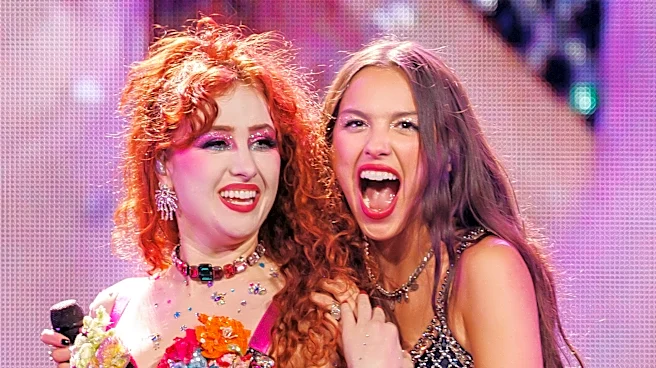
Today, punk has been atomized. For Gen Z, it's less a rigid subculture and more of a flexible aesthetic to be deployed on TikTok and Instagram. Stars like Olivia Rodrigo and Willow Smith mix pop-punk angst with modern style, while trends blend elements of grunge, goth, and a 'refined revolt' that's more about individual expression than collective anger. The current look is often a 'hard vs. soft' mix: a delicate dress with heavy combat boots, or a tailored blazer layered over a ripped band shirt. The DIY spirit now means curating a unique online persona rather than hand-stitching a jacket. The rebellion is still there, but it's aimed at different targets: conformity, digital overload, and the pressure for polished perfection.