



1. Evolve Beyond “The Other Stage”
Since its 2017 debut, The Other Stage has been Bonnaroo’s dedicated home for electronic music. It was a necessary and welcome upgrade from the tents of yesteryear. But in the festival world, a single genre-specific stage can also feel like a silo. To
make electronic music a backbone, it has to break free. The next step is to stop treating it as “other.” This means booking major electronic acts on the main What and Which stages during primetime slots, not just after midnight. Imagine a sunset slot for ODESZA on the What Stage or a high-energy Porter Robinson set on the Which Stage leading into a legacy headliner. This integration tells festival-goers that these artists aren’t an alternative; they are a core part of the Bonnaroo experience, on par with any rock or pop headliner.
2. Curate for Vibe, Not Just Names
The biggest electronic festivals—Electric Forest, Lost Lands, even Coachella’s Sahara tent—succeed because they curate a cohesive feeling, not just a collection of big names. Bonnaroo could take a page from this book. Instead of booking a scattershot mix of house, dubstep, and techno, organizers could theme the electronic lineup more intentionally. One year could lean into the psychedelic bass of a CloZee or Tipper. Another could embrace the euphoric release of melodic house and trance. This doesn’t mean being restrictive; it means having a point of view. A well-curated undercard with rising stars in a specific sub-genre creates a journey for fans, turning The Other Stage and other electronic spaces into destinations for discovery, not just places to see a few familiar DJs.
3. Invest in World-Building Production
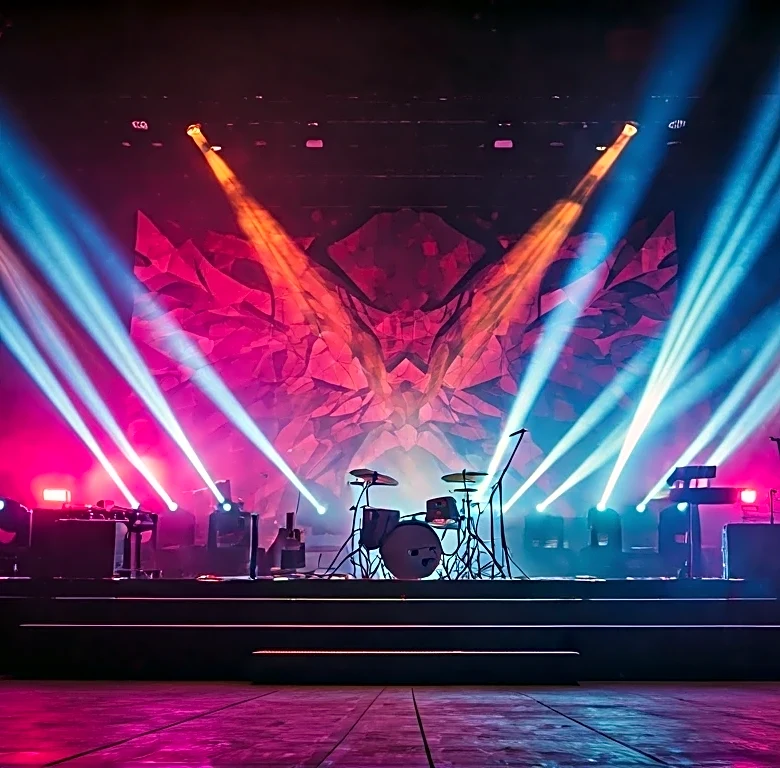
Electronic music is as much a visual and sensory experience as it is an auditory one. While Bonnaroo’s main stages are massive, the production at The Other Stage often feels like a standard festival setup: big stage, big screens, lots of lights. To become a backbone, it needs to feel like a world. Think of the immersive, 360-degree experience of Eric Prydz’s HOLO show or the sprawling, nature-infused designs of Electric Forest. By 2026, Bonnaroo could invest in a semi-permanent, architecturally unique structure for its main electronic hub. Imagine a stage with integrated art installations, unique lighting that extends deep into the crowd, and a sound system so perfectly calibrated it feels physical. This elevates a DJ set from a concert into a full-blown immersive experience.
4. Create All-Night Electronic Environments
Bonnaroo is famous for its late-night-to-sunrise energy, and this is where electronic music already thrives. The move is to double down. Where in the Woods has been a massive success, offering a shady, intimate, all-night party zone. Let’s expand that concept. Instead of one satellite stage, imagine two or three distinct, permanent-feeling electronic environments in Centeroo that run continuously from dusk till dawn. One could be a pulsating, industrial-themed techno bunker, while another could be an ambient, chill-out grove. This creates a choose-your-own-adventure for night owls and decentralizes the electronic experience, making it feel like a pervasive, ever-present part of The Farm’s nocturnal identity.
5. Embrace Bonnaroo-Exclusive Electronic Sets
Bonnaroo’s jam-band soul was built on unique collaborations and one-of-a-kind performances. Why not apply that ethos to the electronic world? The festival is the perfect place for exclusive back-to-back (B2B) sets that fans can’t see anywhere else. Imagine Griz going B2B with a funk band, or two philosophically aligned house DJs like John Summit and Dom Dolla playing a marathon sunrise set. Bonnaroo could also become the place for legacy electronic acts—think The Chemical Brothers or a reunited Justice—to play alongside the new school. This respects Bonnaroo’s history of special, unrepeatable moments while pushing its electronic identity forward, creating “you had to be there” moments for a new generation of fans.