

An Identity Forged in Light
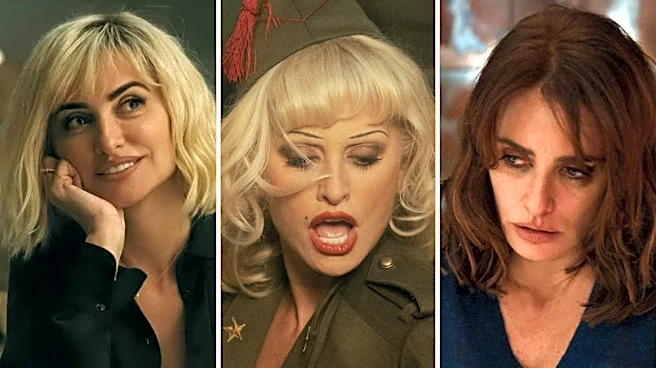
Before an audience knows a character’s name, they know their world. Cinematography is the craft of building that world, and at a festival, a distinct visual identity is a film’s most powerful calling card. Take a premiere like “La Bola Negra,” a film already
arriving at TIFF on a wave of buzz from Cannes. Described as a “luminous” story intertwining the lives of three gay men across three different eras in Spain, its visual ambition is central to its appeal. The cinematography must not only capture each time period but also stitch them into a single, emotionally coherent tapestry. When a film’s look is this bold, it doesn’t just support the story; it becomes the story, generating chatter and anticipation that a simple plot synopsis could never achieve. It’s what makes a film feel like an event before the first ticket is even torn.
Building a World, Frame by Frame
Some films don't just tell a story; they transport you. This immersive quality is a direct result of meticulous, world-building cinematography. At TIFF this year, Edmond Yeo’s latest period drama is earning whispers for exactly that, with early praise noting its visually stunning design is reminiscent of classics by the master of mood, Wong Kar Wai. This isn't just about pretty backdrops. It’s about using color, texture, and composition to create a complete sensory experience. When a cinematographer’s work is so effective that it evokes the style of an icon, it signals to festival-goers that this is a film to be absorbed on the big screen. It promises an escape, a tangible atmosphere that you can almost feel, making it a priority for anyone seeking a truly cinematic experience amid the festival's whirlwind schedule.
When the Cinematographer Is the Star
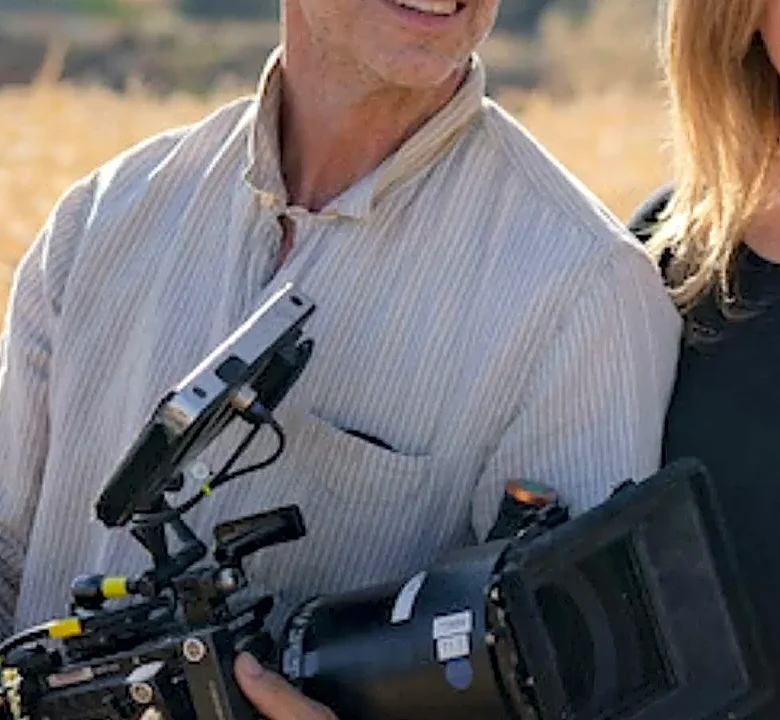
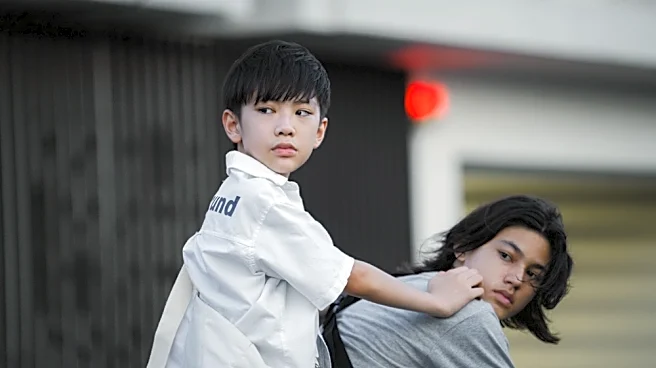
In today’s film-literate world, the artists behind the camera are becoming attractions in their own right. A cinematographer’s name attached to a project can create as much buzz as a lead actor’s, and their involvement signals a certain level of quality and aesthetic ambition. Rachel Morrison, who made history as the first woman nominated for the Best Cinematography Oscar for “Mudbound,” is premiering her sophomore directorial feature, “Love of Your Life,” at this year’s festival. Her established reputation for a soulful, naturalistic style—light that feels “found rather than placed”—creates an immediate hook. Audiences and critics arrive with a sense of what to expect, an aesthetic they are eager to engage with. The festival itself is acknowledging this shift, honoring cinematographer Adam Pietkiewicz with a TIFF Tribute Artisan Award this year, further cementing the DP as a celebrated author of a film's success.
The Image That Travels
In the digital age, a film’s most potent marketing tool might just be a single, arresting image. A static frame, shared on social media, can cut through the noise faster than a trailer. The work of a director like Yonfan, a renowned photographer before he became a filmmaker, exemplifies this power. His new film, “Intermission,” is touted as a project that transcends his art from still to moving images, suggesting every frame is composed with a photographer's eye for impact. Likewise, a filmmaker with a reputation for a “striking visual style” like Karthik Subbaraj, whose film “Dorothy” is premiering at the festival, creates instantly memorable moments by blending genres like noir and action. These aren’t just scenes; they are shareable, iconic shots waiting to happen. This visual currency is invaluable at a festival, allowing a film’s essence to be communicated and celebrated in an instant, spreading its reputation far beyond the streets of Toronto.