




The Answer: A Structured, Textured Cut
Let’s get this out of the way: there isn’t a single, magical haircut that suits every person and every hat. However, there is a unifying *philosophy* that makes a world of difference: a haircut with intentional structure and texture, most perfectly embodied
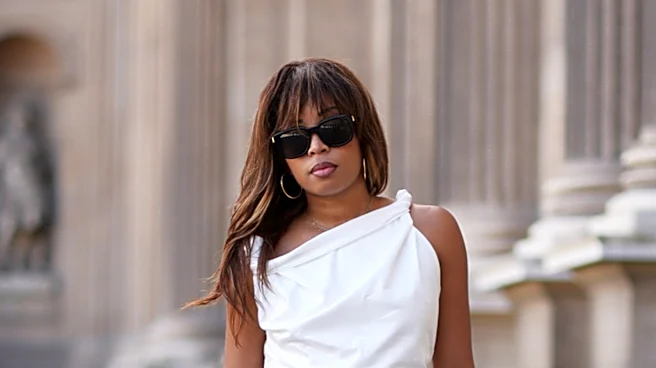
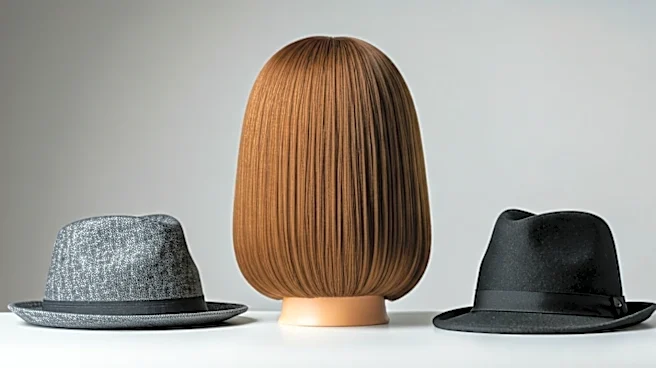
by the versatile bob. Whether it’s a sharp, chin-length French bob, a slightly longer lob, or a textured pixie, the principle is the same. These styles rely on a strong shape rather than long, flowing length. Unlike long, one-length hair that can be easily flattened and creased by the band of a beanie or the brim of a fedora, a structured cut has built-in memory and movement. It’s designed to look good from multiple angles and can withstand a bit of compression without losing its entire identity.
Why Structure Beats Length
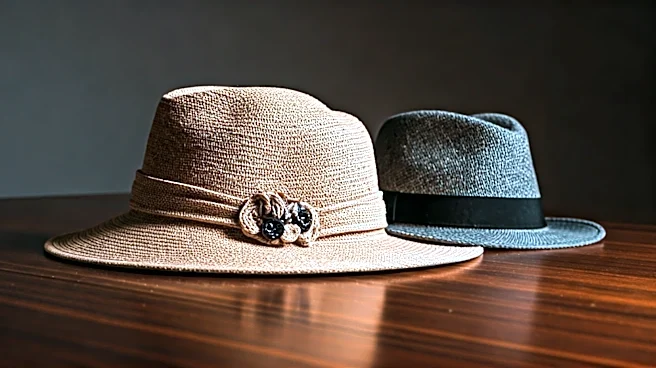
The secret lies in the physics of hat hair. When you wear a hat, you’re applying consistent pressure and trapping heat and moisture. For long hair, this is a recipe for disaster. The weight of the hair combined with the pressure from the hat flattens the roots completely. Any natural volume you had is gone. Worse, the hat’s edge often creates a deep, unshakeable crease across your mid-lengths. A well-executed bob or pixie dodges these problems. With less length and weight, the hair is less prone to dramatic flattening at the root. It’s easier to revive with a quick finger-tousle. Furthermore, because the ends are shorter and often layered, they don’t get trapped and dented in the same way. Instead, they peek out stylishly from under the hat, framing your face and making the hat look like an intentional part of the whole style, not just a cover-up.
Finding Your Version of the 'One Choice'
While the classic bob is the star player, this hat-friendly philosophy extends to other styles. If a bob isn’t for you, consider these alternatives that share the same core principles:
- The Bixie or Pixie: The ultimate in low-fuss hat hair. These ultrashort cuts are virtually impossible to ruin with a hat. Once you take it off, a simple fluff is all you need to restore its intended shape.
- The Shag or Wolf Cut: These heavily layered styles are perfect for hat wearers. The choppiness and built-in texture mean they are *supposed* to look a little messy and undone. A hat will only enhance that cool, rock-and-roll vibe.
- For Long Hair: If you can't part with your length, the key is strategic layering and styling. Ask your stylist for face-framing layers that start around your chin. When you wear a hat, these shorter pieces can be left out to soften the look. Also, a loose, low braid or twist can protect the bulk of your hair from creasing and friction.
Tips for A Seamless Hat-to-No-Hat Transition
The right cut is 90% of the battle, but a little prep and a good recovery strategy make all the difference. Before putting your hat on, make sure your hair is completely dry—damp hair will set in whatever flattened shape it’s forced into. A light spritz of texturizing spray or dry shampoo at the roots can provide some grit and memory. When you take the hat off, don't panic if things look a little compressed. Flip your head upside down and shake your roots with your fingers. This simple move redistributes the hair and brings back volume. For bobs and pixies, you can use a tiny dab of pomade or wax warmed between your fingertips to redefine the ends and restore texture in seconds.