


It’s October, and a good scary movie is the perfect way to celebrate the season. But we’ve all been there: you settle in for a night of terror only to be pulled out of the story by something that just feels… cheap. Here’s what’s happening.
1. Over-reliance on Jump Scares
Let’s start
with the most obvious offender. A well-executed jump scare can be a masterclass in tension, but when a film leans on them every few minutes, it’s a sign of creative bankruptcy. Instead of building genuine dread, the filmmaker is just startling you with a loud noise or a sudden movement, often from something harmless like a cat. It’s the cinematic equivalent of someone shouting “Boo!” in your ear. True horror lingers, while a cheap jump scare is forgotten the moment it’s over, leaving you more annoyed than afraid.
2. Muddy, Unmotivated Darkness
Horror thrives in the shadows, but there’s a difference between atmospheric darkness and a poorly lit scene where you can’t tell what’s happening. Often, this isn't an artistic choice but a budgetary one, used to hide cheap sets, unconvincing monster makeup, or flaws in the location. When darkness is used effectively, like the candlelight in "The Witch," it creates texture and dread. When it’s just a murky mess, it feels like the filmmakers are hiding something from the audience—and not in a good way.
3. Weightless or Rushed CGI
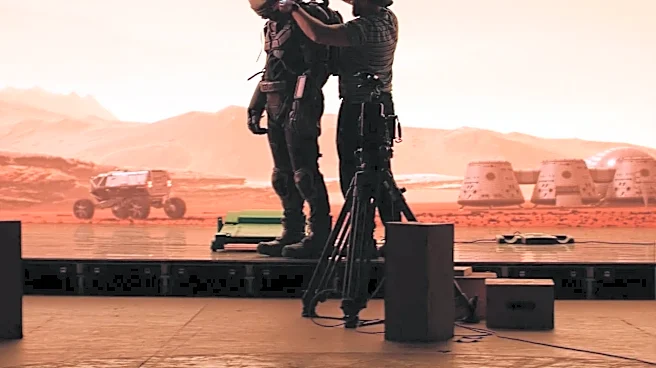
Nothing breaks immersion faster than a computer-generated monster that looks like it was rendered on a desktop in 2003. Bad CGI often lacks weight, physics, and proper interaction with the real world, making it feel flat and disconnected from the actors. While practical effects can be expensive, rushed digital effects are often a money-saving shortcut that ends up costing the film its credibility. When actors are reacting to a creature that is tangibly there on set, the performance feels more genuine and the threat more real. Bad CGI just feels like a ghost in the machine.
4. Generic, Overused Sound Effects
Sound design is arguably more important in horror than in any other genre. So when you hear the same stock creaking door, canned scream, or generic rumble that’s been in a dozen other low-budget films, it immediately cheapens the experience. Great horror sound design is specific and custom-built, creating a unique auditory landscape for the story. Think of the iconic two-note motif in "Jaws" or the unnerving quiet of "A Quiet Place." Using a generic sound library is like scoring a romantic comedy with elevator music; it’s lazy and pulls the audience right out of the moment.
5. Messy Audio and Inconsistent Dialogue
This is the less glamorous cousin of bad sound design, but it’s just as distracting. It happens when characters are whispering one moment, forcing you to crank the volume, only to have a deafening sound effect blast you out of your seat the next. This inconsistent audio mixing is often a hallmark of a rushed post-production process. It signals that the sound team didn't have the time or resources to properly balance the dialogue, score, and effects, resulting in a frustrating and amateurish viewing experience.
6. Uninspired Camera Work
In horror, the camera is a critical storytelling tool. Its angle, movement, and focus dictate what the audience sees and, more importantly, what they don’t. When a film relies on nothing but generic shot-reverse-shot conversations and static wide shots, it misses a huge opportunity to build tension. Uninspired cinematography can feel like watching a TV movie from the 90s. In contrast, thoughtful framing, like the claustrophobic tight shots or use of negative space seen in many modern horror classics, can create unease and suspense without spending a dime.
7. The Infamous 'Car Won't Start' Cliché
This trope is so common it’s become a parody of itself. The hero is escaping, they jump into the car, turn the key, and… sputter, sputter, nothing. While it can theoretically create a moment of high-stakes tension, it has been used so often that it now elicits eye-rolls instead of suspense. It’s a lazy shorthand for creating peril, a narrative shortcut that signals the writer couldn't think of a more original way to trap their characters. In the modern era, it feels particularly dated and almost always looks cheap.
8. Obviously Fake-Looking Props or Gore
Practical effects are often praised over CGI, but that only holds true when they're done well. When a severed limb looks like a plastic doll's arm covered in bright red paint, or a monster's costume is clearly just a rubber suit, it can be more comical than terrifying. While high-end practical effects are an art form, cheap ones are glaringly obvious. Good horror knows that sometimes suggesting violence is more effective than showing it poorly. A poorly executed gore effect doesn't just look fake; it reminds the viewer they are watching a movie, shattering the carefully crafted illusion of fear.