



Good Enough Was No Longer an Option
The old identity of the USMNT was defined by honorable losses and a reliance on grit over technical grace. The team was respected for its fight but rarely feared for its skill. The prevailing attitude was often one of being happy to be there, of hoping
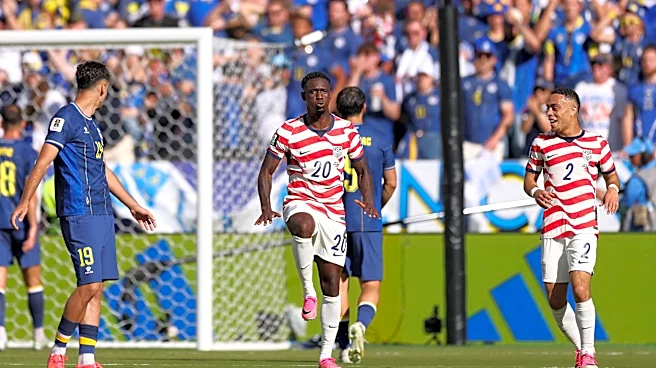
for a lucky break against the world’s elite. That script was torn up this summer. From the opening match, this team played with a different swagger. The tactical approach was aggressive and attack-minded, built on pressing high and moving the ball with purpose. It was a deliberate shift from a side that often seemed content to absorb pressure and counter. This wasn't the underdog hoping not to be embarrassed; this was the host nation playing like they owned the stage, and the packed stadiums roared their approval.
A New Generation Takes the Wheel
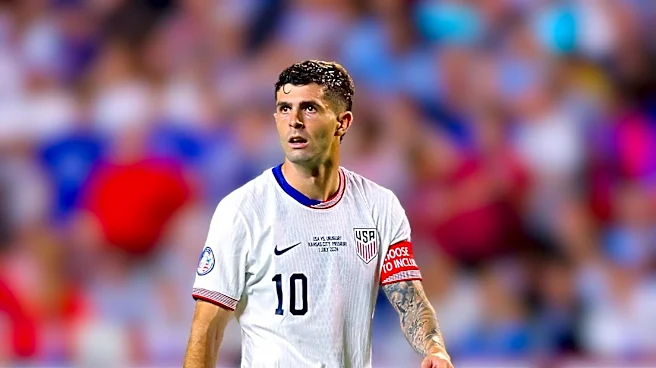
While familiar faces like Christian Pulisic were present, the summer of 2026 belonged to a new wave of stars who seized their moment. Players like midfielder Malik Tillman and young fullback Alex Freeman became household names, embodying a fearless, technically sound style of play. It was Weston McKennie, however, who often looked like the team's heart and soul, a dominant force in the midfield who was praised as one of the team's best players in the tournament. This wasn't just about individual talent; it was about a collective belief. Fans saw players who were not intimidated by the moment but energized by it. Their confidence on the ball and their aggressive, front-foot style of play convinced a nation that this team was different.
From Niche Sport to National Event
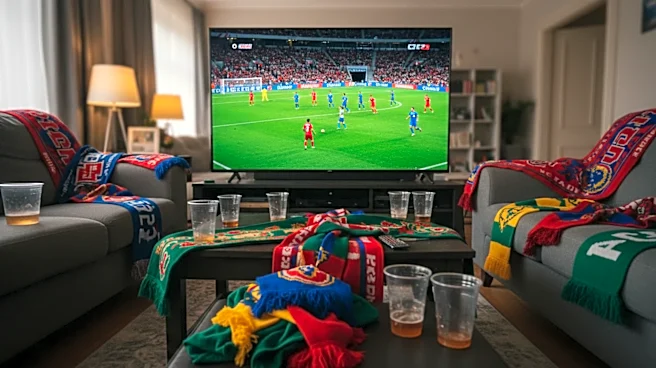
Hosting the World Cup was always going to boost soccer's profile, but the team's performance turned it into a cultural phenomenon. Record-breaking television audiences, with some matches drawing more viewers than the NBA Finals or World Series, showed that the country was fully invested. Bars and public squares transformed into massive watch parties from coast to coast, a level of communal viewing typically reserved for the Super Bowl. This wasn't just existing soccer fans showing up; this was the conversion of the American sports fan. The team’s compelling play made the games unmissable, and for a few weeks, soccer wasn't a niche interest but a shared national obsession.
A Heartbreaking End, A Hopeful Future
The dream run came to a crashing halt in the Round of 16 with a humbling 4-1 loss to a clinical Belgian side. The exit was painful, exposing a gap that still exists between the U.S. and the world's truly elite teams. The performance was a letdown, a return to old habits under pressure that saw the team look sluggish and overwhelmed. Yet, the disappointment felt different this time. It wasn't the quiet resignation of an underdog who had hit their ceiling. It was the sharp sting of genuine expectation. The team had shown its potential by dominating its group and winning a knockout game, making the final defeat all the more frustrating. But in that frustration lies the true transformation. American fans no longer just hope for a good showing; they now expect to compete. The summer of 2026 may have ended in heartbreak, but it left behind something far more valuable: a new standard.