





The New Scarcity Isn't Quality, It's Trust
For years, the creator mantra was 'content is king.' But in an ocean of content, a new scarcity has emerged: trust. Listeners are inundated with polished, algorithmically-perfected media. In this environment, a distinct, authentic point of view cuts through
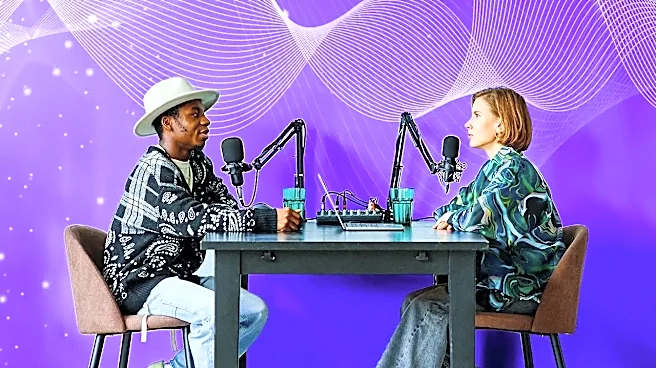
the noise. Authenticity is the one thing that can't be faked with expensive gear. Listeners don't just tune in for information; they tune in for connection. They crave hosts who are genuine, relatable, and even vulnerable. A 2026 study found that host recommendations drive purchases, but that influence is fragile; 61% of listeners would trust a host less if a promotion felt inauthentic. This underscores that the relationship is the real product, and that relationship is built on a foundation of a consistent and believable perspective.
Your Voice Is Your Niche
In a market with millions of podcasts, trying to appeal to everyone means you will ultimately appeal to no one. A strong point of view is the fastest way to carve out a niche. It acts as a filter, attracting an audience that shares your values or is intrigued by your perspective, and repelling those who aren't a good fit. This is a feature, not a bug. Niche podcasts foster incredibly strong communities and listener loyalty. Research shows that listeners of niche shows report feeling a stronger connection and find the content more engaging and valuable than mainstream programming. When you offer a unique angle, whether it's deep-dive historical analysis or a specific take on wellness, you aren't just another voice covering a topic—you become the voice for a dedicated group of people who feel seen by your content.
The Sustainable Edge of a Strong Opinion
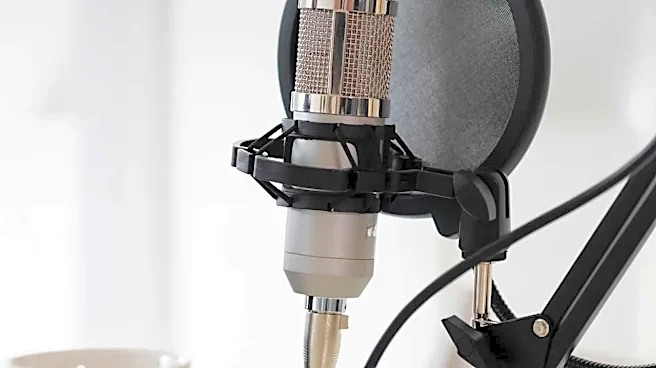
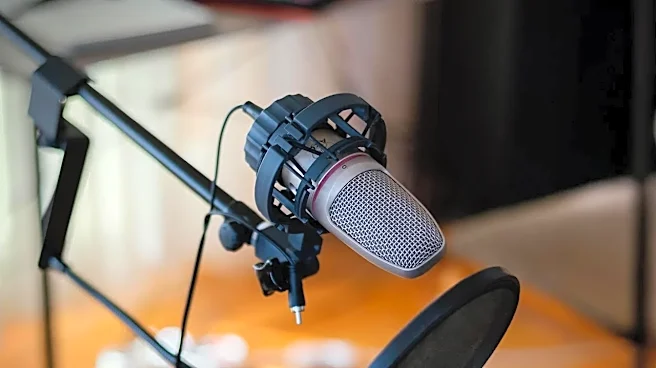
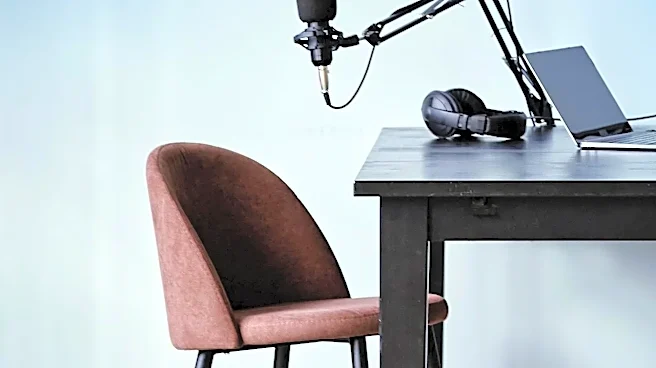
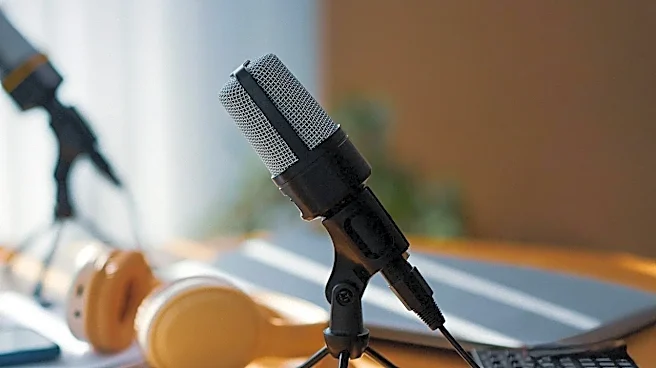
Let’s talk economics. High-end production is a recurring cost. Microphones, mixers, soundproofing, editing software, and audio engineers all require significant and ongoing investment. A point of view, on the other hand, is a self-sustaining asset. It’s the intellectual framework you build once and deploy endlessly. It informs your episode topics, your interview questions, and your commentary. This creates a more efficient workflow and a more consistent product. While your competitor is spending thousands on a new audio interface, you're investing time in sharpening your argument or finding a story no one else is telling. This is the sustainable edge. In the long run, the podcaster with the most interesting things to say will always have an advantage over the one who simply has the most expensive way of saying them.
Where Good-Enough Production Is Essential
This isn't an argument for making a bad-sounding podcast. There is a baseline of audio quality that every creator must meet. If listeners can't hear you clearly, or if the audio is filled with distracting background noise and jarring edits, they will leave, no matter how brilliant your insights are. The goal isn't to have bad production; it's to avoid the trap of believing expensive production is a prerequisite for success. Today's consumer-grade microphones and free editing software are more than capable of producing clean, professional-sounding audio. Listeners are surprisingly forgiving of minor imperfections as long as the content is compelling. They will accept good-enough quality in exchange for a great perspective, but they will not tolerate unlistenable audio.