







An Accidental Revolution
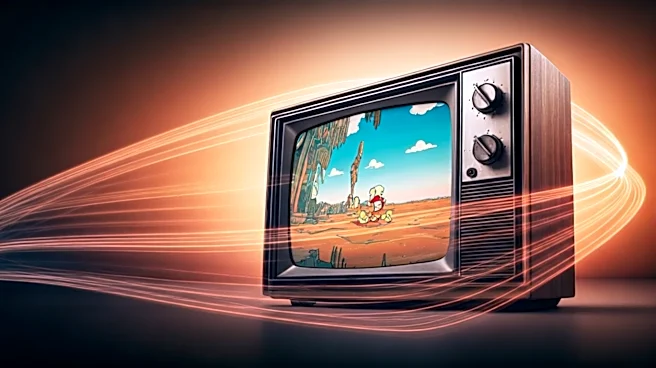
Boomerang’s story begins not with a grand strategy, but as a happy accident. In 1992, Cartoon Network launched it as a weekend programming block. The idea was simple: create a space for the vast library of classic Hanna-Barbera, MGM, and Warner Bros.
cartoons that its parent company, Turner Broadcasting, had acquired. At the time, Cartoon Network was shifting its focus to newer, original shows like Dexter's Laboratory. The Boomerang block became a dedicated home for characters like Yogi Bear, The Flintstones, and the Looney Tunes gang, who were being pushed out of the main schedule. Its popularity with both kids and nostalgic baby boomers was a revelation, proving there was a significant, untapped audience for animation’s golden age.
The 24/7 Animation Museum
The block's success was so undeniable that on April 1, 2000, Boomerang launched as its own 24-hour, commercial-free channel. This was a radical act in a pre-streaming world. It treated a back catalog not as filler, but as the main event. For its first few years, the channel was a purist's dream, functioning like a living animation museum. Its initial format was beautifully simple, often featuring themed blocks like "Boomer Action" for adventure cartoons or dedicating entire days to a single character. By giving these classics a permanent, curated home, Boomerang did more than just air reruns; it argued for their cultural permanence, preventing countless characters and series from fading into obscurity.
Forging a Generational Bridge
One of Boomerang’s most significant achievements was connecting generations. For millennials and younger Gen X-ers, the channel was a primary introduction to the cartoons their parents and grandparents grew up with. Suddenly, a kid in 2003 had a deep familiarity with Wile E. Coyote, Scooby-Doo's original adventures, and The Jetsons. This created a shared cultural language that transcended decades. It ensured that the foundational characters of American animation weren't just historical artifacts but remained vibrant, relevant parts of pop culture. The channel’s tagline, "It's All Coming Back to You," was aimed at adults, but the true impact was on the new generation it was creating.
Proving the Business of Nostalgia
Boomerang fundamentally altered the business model for animation. It was a pioneering example of successfully monetizing a deep library of existing content, a strategy that is now the bedrock of streaming giants like Max and Disney+. By demonstrating that a dedicated audience would flock to a curated collection of classics, Boomerang provided a proof of concept for niche, library-focused media. This influenced not only television but also the home video market and, eventually, the creation of its own subscription streaming service in 2017. The channel proved that nostalgia, when packaged correctly, was an incredibly valuable and renewable resource.
An Evolving and Enduring Legacy
Over the years, Boomerang has changed significantly. A 2015 rebrand shifted its focus, aiming to become a "second flagship" to Cartoon Network by introducing original content and reboots of classic franchises like Be Cool, Scooby-Doo! and New Looney Tunes. This move, along with adding modern shows to the schedule, drew criticism from purists who missed the old format. The standalone streaming service was eventually folded into Max in 2024. Despite these changes, the channel’s initial impact is undeniable. It established that classic animation had immense cultural and commercial staying power, influencing a generation of creators and forever changing how the entertainment industry viewed its own history.