







An Icon of Cinema
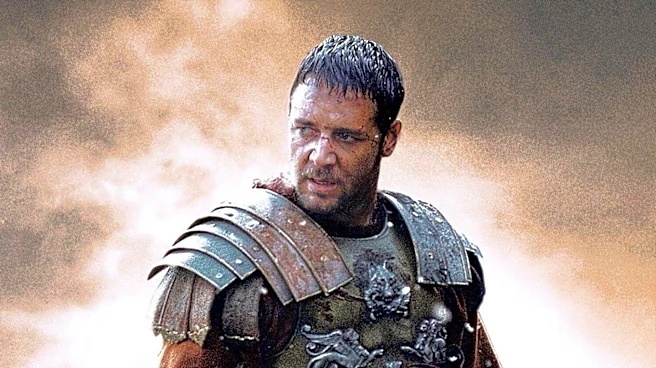
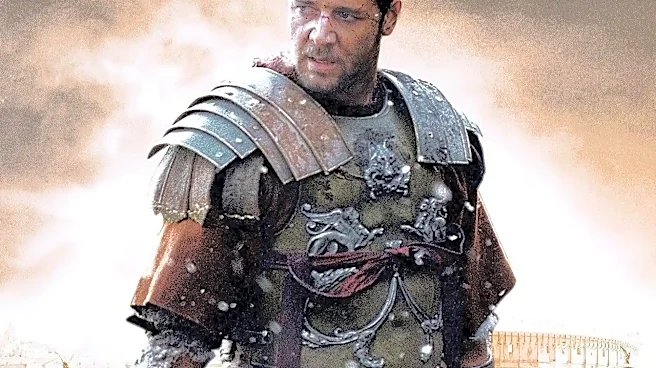
It’s hard to overstate the cultural footprint of Ridley Scott’s 2000 epic. The film was a box office behemoth, grossing over $460 million worldwide. It dominated the Academy Awards, securing five wins, including the coveted Best Picture and a Best Actor
trophy for Russell Crowe’s thunderous performance as Maximus. For audiences, it was a visceral, emotionally resonant story of revenge and honor that landed with immense force. Polling from CinemaScore on its opening day gave the film a stellar "A" grade, confirming its immediate connection with the public. In the years since, its reputation has only grown, cementing Maximus as one of cinema’s greatest heroes and the film itself as a modern classic.
The Critical Dissent
Despite the audience and Academy adoration, the initial critical response was surprisingly fractured. While many critics offered praise, a significant and influential contingent was left cold. The film's Metacritic score is a 67 out of 100, indicating "generally favorable reviews" but a far cry from universal acclaim. This number points to a deep divide. While some reviewers called it a "stunning Roman triumph," others were deeply unimpressed. The most prominent dissenting voice was the celebrated critic Roger Ebert. He gave the film a two-out-of-four-star review, famously calling it "muddy, fuzzy and indistinct." He argued the film substituted a grim and depressing mood for genuine character depth.
Derivative and Depressing
A common thread among the negative reviews was the feeling that Gladiator was a hollow echo of superior epics. Ebert and others compared it unfavorably to Stanley Kubrick's Spartacus, with Ebert dubbing it "Spartacus Lite." The criticism was that while it borrowed the scale of old Hollywood epics, it lacked their heart and narrative clarity. Another point of contention was Ridley Scott's visual style. The frantic, often blurry editing of the combat sequences, which Scott employed to create a sense of chaotic immersion, was seen by some as simply confusing. Ebert described it as "muddled closeups of fearsome but indistinct events." Critics also took issue with what they perceived as a shallow, one-note story focused purely on grim revenge, arguing that the characters, including Maximus, were bitter and dull.
A Film Out of Time
Part of the critical hesitation stemmed from the genre itself. In 2000, the sword-and-sandal epic was a relic of a bygone cinematic era. For two decades, the genre had been almost entirely dormant, associated more with campy B-movies than prestigious blockbusters. To some critics, the very idea of reviving it felt like a grandiose, perhaps even silly, exercise. They questioned the clunky dialogue and historical inaccuracies, viewing the film not as a bold reinvention but as a somewhat clumsy throwback. While audiences were thrilled by the spectacle, some critics saw a film trying to be two things at once: a serious historical drama and a popcorn action flick, succeeding fully at neither.
How Audiences Won the War
So why did the film triumph despite these critical reservations? The answer lies in its raw, undeniable power. Russell Crowe's performance as Maximus was a force of nature—a perfect blend of commanding physicality and wounded soulfulness that audiences connected with instantly. The story, while simple, tapped into universal themes of justice, family, and a man fighting a corrupt system. What some critics saw as derivative, audiences saw as archetypal and powerful. The spectacle, from the stunning opening battle in Germania to the breathtaking recreation of the Colosseum, was on a scale that moviegoers hadn't seen in a generation. It delivered a pure, visceral cinematic experience that critical analysis of its script or editing simply couldn't override.