








The Crushing Weight of Expectation
Imagine you’re the star striker for a global powerhouse. You’ve just played 120 grueling minutes against a scrappy, defensive-minded underdog that was never supposed to be here. Now, you stand 12 yards from goal. The world expects you to score. Your fans
expect it, your teammates expect it, and even the opposition expects it. That expectation isn't a confidence boost; it’s a cognitive burden. Sports psychologists call it the 'threat state.' Instead of focusing on the opportunity for glory, the player’s mind becomes preoccupied with the consequences of failure. The fear of being the one who costs his nation a World Cup can cause a cascade of physical reactions. The heart rate spikes, muscles tighten, and fine motor skills—the very ones needed to place a ball perfectly into the corner of the net—become compromised. This is the science of 'choking,' and it’s far more likely to afflict the player who has everything to lose.
The 'House Money' Mentality
Now, flip the script. You’re the midfielder for the underdog team. Just by reaching the penalty shootout, you've already exceeded all expectations. You’re playing with 'house money.' For you and your teammates, this isn't a test you’re expected to pass; it’s a free shot at immortality. The pressure is external, but the internal feeling is one of opportunity. This is what psychologists call a 'challenge state.' The focus shifts from avoiding failure to seizing a heroic moment. This mindset releases tension. A player in a challenge state is more likely to execute their kick with a clear, uncluttered mind, reverting to the muscle memory honed over thousands of hours of practice. They are not thinking about the headlines tomorrow morning condemning their miss; they are dreaming of the headlines celebrating their goal. This psychological freedom is the underdog’s secret weapon. Each successful penalty builds a wave of momentum and belief, while simultaneously amplifying the pressure on the favorite.
The Goalkeeper's Game of Nerves
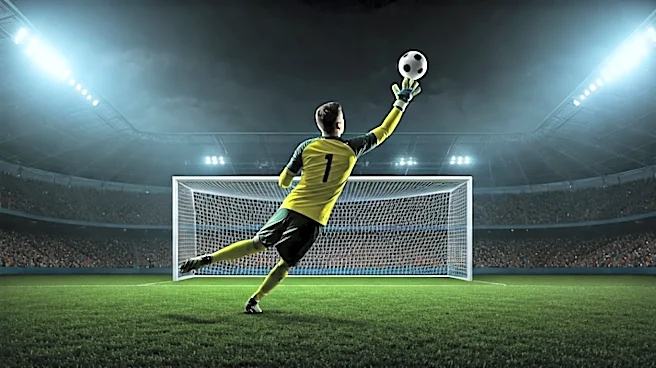
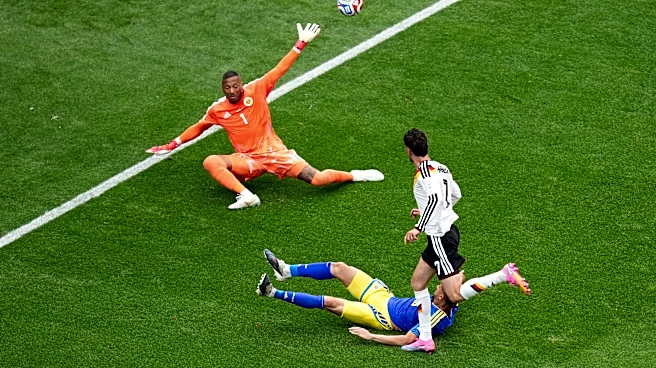
The dynamic extends to the most important player in the shootout: the goalkeeper. For the favorite's keeper, the expectation is to make a save, but the blame for conceding is minimal—it’s a penalty, after all. They are in a no-win, little-lose situation that can feel oddly passive. Conversely, the underdog's goalkeeper is on the precipice of legend. Every save they make is a monumental achievement, a moment that will be replayed for decades. They aren't just trying to stop a goal; they are trying to become a national hero. This asymmetry in potential reward creates a huge psychological advantage. The underdog keeper can be more aggressive, more expressive, and take more risks, because any success is a bonus. Their body language—a triumphant roar, a fist pump to the crowd—can have a contagious effect on their team and a demoralizing one on the opposition.
The Power of Perception and Positive Action
So, is this advantage statistically proven? The data is complex, but the psychological evidence is compelling. Geir Jordet, a leading researcher on penalty shootouts, has found that a player’s actions immediately after their kick can influence the outcome. Players who turn away quickly after a miss exhibit avoidance behavior, signaling pressure. In contrast, players who celebrate their goals intensely and immediately create a visible display of confidence that has been shown to put more pressure on the next kicker from the opposing team. This type of expressive celebration is often more natural for a team riding a wave of unexpected success—the dark horse. While an underdog might not win every time, the shootout fundamentally changes the nature of the contest. It ceases to be a referendum on which team has more talent and becomes a brutal, one-on-one mental battle. And in that arena, the team with less to fear often has the clearest path to victory.