







The Dawn of a Golden Generation
Sometime around 2012, the world started noticing. A small European nation, long a soccer afterthought, was suddenly producing a torrent of world-class talent. There was Eden Hazard, a magician on the wing at Chelsea. Kevin De Bruyne, a midfield visionary.
Romelu Lukaku, a physically dominant goal machine. In goal, Thibaut Courtois. In defense, Vincent Kompany and Toby Alderweireld. On paper, it was a dream team. From top to bottom, nearly every position was filled by a player starring for one of Europe’s biggest clubs. The media and fans dubbed them the “Golden Generation,” and the expectation was clear: this group was destined to win a major tournament, a World Cup or a European Championship, and bring glory to Belgium for the first time.
The Peak and The Pain of 2018
Expectations were high for the 2014 World Cup and Euro 2016, but both campaigns ended in disappointing quarter-final exits. The 2018 World Cup in Russia felt different. This was the team at its absolute peak. The core players were in their prime, ages 25 to 29, and they played with breathtaking cohesion. Their finest moment came in the quarter-finals, where they tactically outclassed and eliminated a star-studded Brazil in a 2-1 thriller. For a moment, it seemed their destiny was manifest. But the dream died in a cagey 1-0 semi-final loss to their neighbors, and eventual champions, France. Belgium went on to win the third-place game, their best-ever World Cup finish. But it felt like a consolation prize for a team that was built for the main event. It was the closest they would ever get.
When Cracks Begin to Show
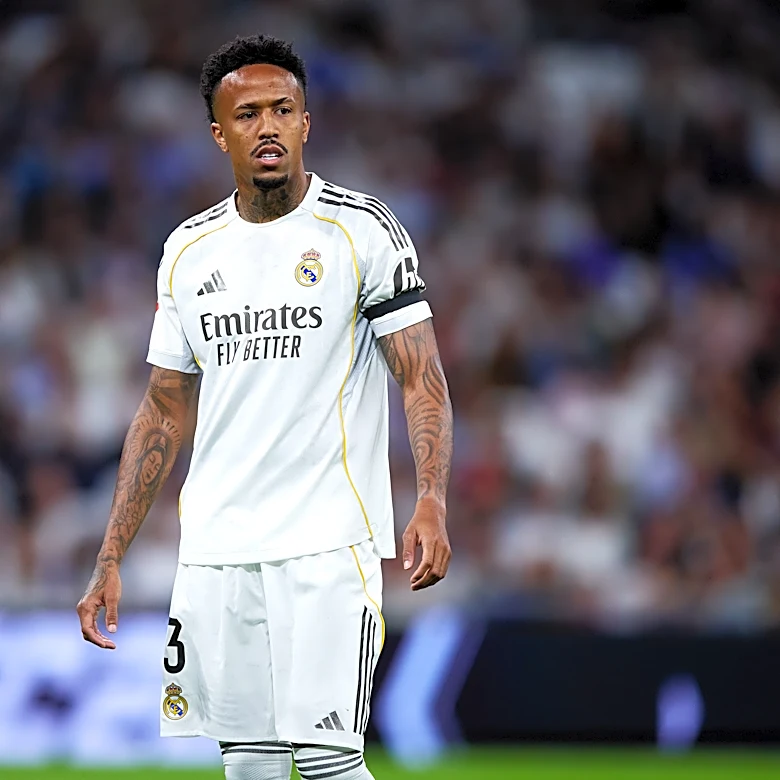
After 2018, the narrative began to shift from “when will they win?” to “have they missed their chance?” Key players, particularly the talismanic Hazard, began to suffer from injuries and a loss of form after a blockbuster move to Real Madrid. The defense, once a strength, was aging. While De Bruyne remained arguably the best midfielder in the world, the team around him felt a step slower. At Euro 2020 (played in 2021), they were clinically dispatched by the eventual champions, Italy, in the quarter-finals. The attack looked predictable, the defense vulnerable. The swagger of 2018 was replaced by a sense of weary familiarity. The window, everyone feared, was closing fast.
The Final Implosion in Qatar
The 2022 World Cup in Qatar was the generation’s last dance, and it turned into a funeral. The tournament was a complete disaster. The team looked disjointed and devoid of ideas, scoring only one goal in three matches. They labored to a 1-0 win against Canada, were soundly beaten by Morocco, and crashed out of the group stage after a goalless draw with Croatia. The on-field failure was matched by off-field drama. Before the final game, De Bruyne gave a startlingly frank interview, stating the team had “no chance” to win because they were “too old.” Reports swirled of bitter infighting in the locker room, with key players allegedly not speaking to one another. It was a sad, pathetic end to an era that had promised so much.
The Ultimate 'Prove-It' Lesson
So what is the lesson of Belgium? It’s a multi-layered warning for any nation blessed with a crop of talent, from England to the U.S. Men’s National Team building towards 2026. First, talent is not enough. Chemistry, tactical identity, and sheer willpower are the unquantifiable ingredients that turn a great roster into a championship team. Second, windows of opportunity are incredibly fragile and close without warning. Belgium’s peak lasted for one tournament, the 2018 World Cup. Their failure to seize that single moment defines their legacy. The story of this Belgian side is the ultimate “prove-it” warning: a group of brilliant individuals who, as a collective, will be remembered more for what they could have been than for what they were.