
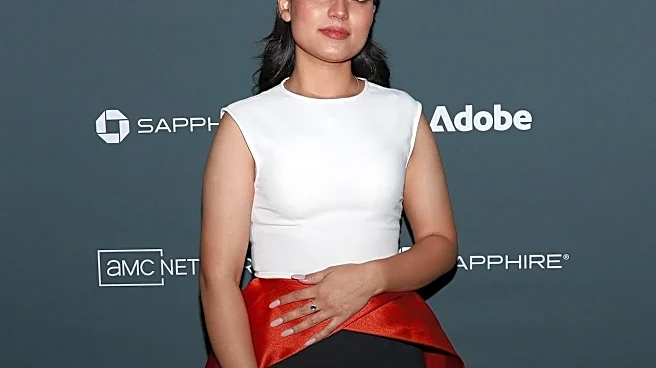
Start with Smart Fabrics
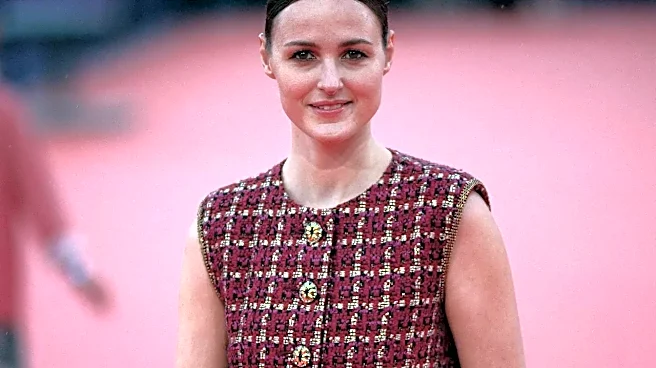
The first decision that dictates comfort over a 12-hour day is fabric. Stylists consistently prioritize materials that offer breathability and movement. While structured, heavy materials look powerful, they can become restrictive after a few hours of sitting,
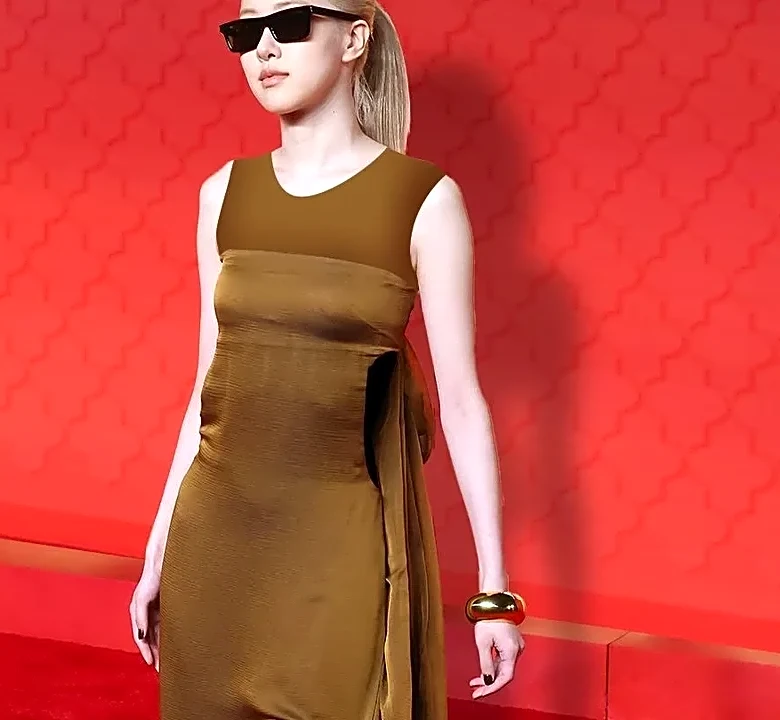
standing, and walking. Instead, experts lean on textiles like stretch crepe, which holds a clean silhouette while allowing the body to move and breathe. For warmer days or crowded indoor venues, lightweight options like chiffon and certain silks are go-to choices because they prevent overheating and move beautifully. The key is avoiding stiff, non-stretch fabrics that trap heat and wrinkle easily, ensuring a look stays polished from morning until midnight.
Engineer the Footwear
No outfit can survive a long day if the footwear fails. Stylists have an arsenal of tricks to combat foot pain. Breaking in shoes for at least a week before an event is a non-negotiable first step. But the real secret weapon is often what’s inside the shoe. Gel inserts, padded cushions, and even a quick swipe of deodorant on the sole of the foot can prevent blisters and reduce swelling. Many stylists also plan for a shoe change, transitioning a star from high stilettos on the red carpet to a more manageable block heel or even a chic, embellished flat for parties and screenings later in the evening. The rule is simple: style can’t exist without comfort, and a painful grimace is never the desired accessory.
Master the Art of the Transition
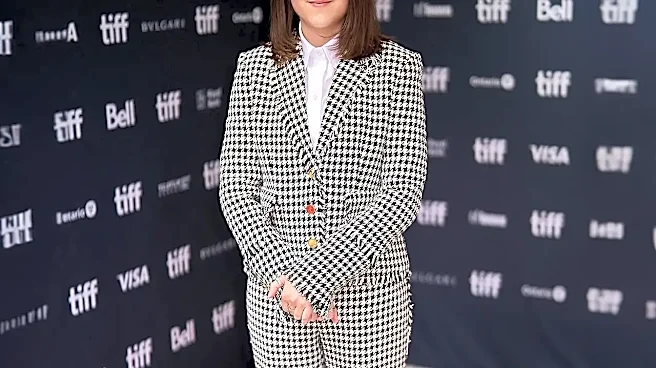
A festival day often includes multiple events with different levels of formality, from a casual daytime panel to a black-tie gala. Stylists build outfits that can evolve. An elegant midi-dress appropriate for an afternoon screening can be instantly elevated for the evening with the addition of statement jewelry and a sharp blazer or elegant wrap. Sometimes, it’s as simple as a change of accessories and a bolder lipstick. Other times, a versatile two-piece set allows for more significant shifts, like swapping a tailored top for a silk camisole. This strategy avoids the need for a complete wardrobe change, focusing instead on key pieces that transform the entire look with minimal effort.
Pack a Stylist's Emergency Kit
The real magic happens behind the scenes, thanks to a meticulously packed emergency kit. This isn’t just a sewing kit; it’s a tiny command center for any possible fashion mishap. Essential items always include double-sided fashion tape for securing necklines and hems, a stain-remover pen for unexpected spills, and anti-static spray. A lint roller is crucial for keeping dark fabrics pristine. Beyond that, you'll find blister pads, safety pins, a portable steamer, and deodorant-removing sponges. These small tools are what allow stylists to make quick fixes on the fly, ensuring their client always looks flawless, no matter what the day throws at them.
Tailor for Life, Not Just the Mannequin
Perfect tailoring is the invisible foundation of any great look, but for a long event, it’s about more than just a sharp silhouette. Stylists ensure outfits are tailored for real-life movement, not just standing still. This means checking that a person can sit comfortably through a two-hour film without seams digging in or fabric pulling. Straps are adjusted to avoid digging into shoulders, and bodices are fitted with enough ease to accommodate a full meal. In some cases, stylists will even have undergarments sewn directly into a gown to ensure a smooth, line-free look that stays perfectly in place. This focus on a practical, comfortable fit is what separates a good outfit from a great one.